 رئيس الوزراء : الأردن لن يكون ساحة حرب لأي طرف وأمن وأمان هذا البلد وشعبه فوق كل اعتبار
مجلس النواب يُقر مشروع قانون "عقود التأمين"
ارتفاع صادرات صناعة عمان بنسبة 3.1 % خلال شهرين
الفيصلي يتصدر دوري المحترفين بعد ختام المرحلة 18
التعليم العالي تحدد سقوف بدلات أجور مكاتب خدمات الطلبة وتحذر من تجاوزها
المنتخب الوطني للشابات يخسر أمام نظيره الروسي وديا
بورصة عمان تغلق تداولاتها على ارتفاع
قطاع المركبات بالسوق المحلية يشهد إقبالا على الشراء
اتحاد الغرف العربية يدين الاعتدات الايرانية على المملكة
نمو صادرات الأردن الصناعية بنسبة 10.2 % خلال العام الماضي
الدكتوره نسرين القضماني .. مبارك الدكتوراه
"الأمانة" تطلق تجريبيا مشروع فرز النفايات العضوية من المصدر
الأردن بين معادلة السيادة وضبط الإيقاع الإقليمي
المشرق العربي والتوازن النووي
حماية الصحفيين: تجنب نشر الأخبار المضللة يحمي السلم المجتمعي
اعتماد عمان الأهلية المحاضرات وجاهياً لطلبتها في الأردن وعلى منصة " مايكروسوفت تيمز" لمن هم بالخارج
إيران… الجار اللدود بين البراغماتية وحافة المواجهة
الضمان الاجتماعي بين الاستدامة وحماية الحقوق: أي إصلاح نريد؟
العيسوي يلتقي وفدا أكاديميا من كلية الشريعة بجامعة جرش
رئيس الوزراء خلال جلسة مجلس النوَّاب: أمن وأمان هذا البلد وشعبه فوق كل اعتبار
رئيس الوزراء : الأردن لن يكون ساحة حرب لأي طرف وأمن وأمان هذا البلد وشعبه فوق كل اعتبار
مجلس النواب يُقر مشروع قانون "عقود التأمين"
ارتفاع صادرات صناعة عمان بنسبة 3.1 % خلال شهرين
الفيصلي يتصدر دوري المحترفين بعد ختام المرحلة 18
التعليم العالي تحدد سقوف بدلات أجور مكاتب خدمات الطلبة وتحذر من تجاوزها
المنتخب الوطني للشابات يخسر أمام نظيره الروسي وديا
بورصة عمان تغلق تداولاتها على ارتفاع
قطاع المركبات بالسوق المحلية يشهد إقبالا على الشراء
اتحاد الغرف العربية يدين الاعتدات الايرانية على المملكة
نمو صادرات الأردن الصناعية بنسبة 10.2 % خلال العام الماضي
الدكتوره نسرين القضماني .. مبارك الدكتوراه
"الأمانة" تطلق تجريبيا مشروع فرز النفايات العضوية من المصدر
الأردن بين معادلة السيادة وضبط الإيقاع الإقليمي
المشرق العربي والتوازن النووي
حماية الصحفيين: تجنب نشر الأخبار المضللة يحمي السلم المجتمعي
اعتماد عمان الأهلية المحاضرات وجاهياً لطلبتها في الأردن وعلى منصة " مايكروسوفت تيمز" لمن هم بالخارج
إيران… الجار اللدود بين البراغماتية وحافة المواجهة
الضمان الاجتماعي بين الاستدامة وحماية الحقوق: أي إصلاح نريد؟
العيسوي يلتقي وفدا أكاديميا من كلية الشريعة بجامعة جرش
رئيس الوزراء خلال جلسة مجلس النوَّاب: أمن وأمان هذا البلد وشعبه فوق كل اعتبار
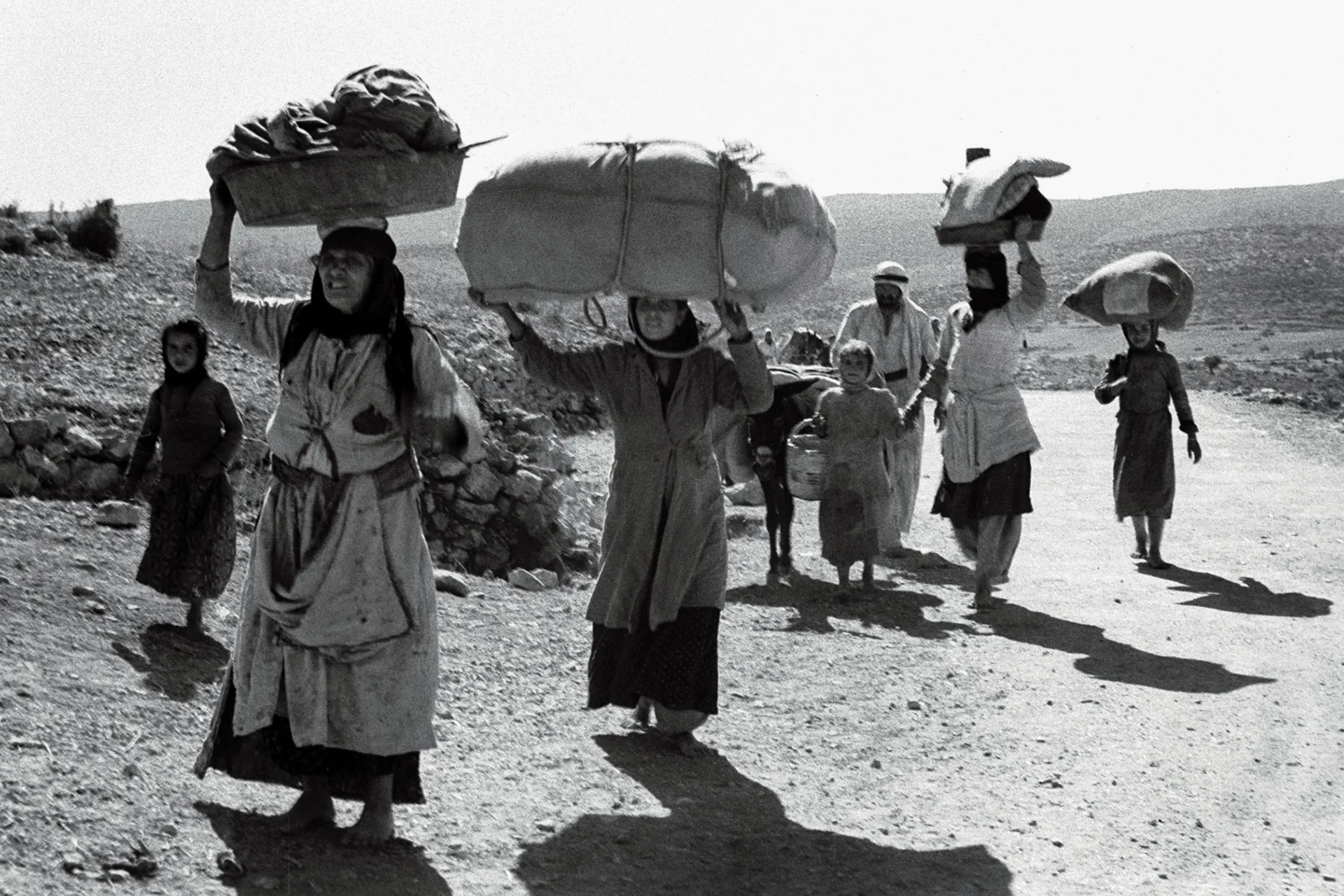
Newly surfaced Israeli documents corroborate the Palestinian narrative of the Nakba, the 1948 displacement and dispossession of Palestinians, according to Israeli writer Amira Hass. Published in Haaretz, Hass's analysis challenges the notion that these documents reveal the "truth" for the first time, emphasizing that Palestinian testimonies have long detailed the events.
Hass critiques historian Adam Raz for presenting the documents as groundbreaking revelations. She argues that Palestinians have consistently recounted their experiences through the testimonies of survivors, displaced persons, and villagers.
The core of the Palestinian narrative, Hass asserts, has always been clear: the displacement was planned, and the massacres were not isolated incidents.
Raz's work, according to Hass, relies on Palestinian historians like Saleh Abdel Jawad and Adel Manna, who based their research on direct oral testimonies reflecting detailed knowledge of the events passed down by those who lived through them.
This knowledge, Hass contends, remained present in the memory of the displaced, survivors, and those who were present but unseen, even if it was not immediately documented according to prevailing academic methods or included in the Hebrew narrative. It also manifested in the narratives of resistance and liberation movements, and in the accounts of villagers who attempted to return to their lands.
Hass points out that of the approximately 17 million files stored in Israeli archives, over 16 million remain inaccessible to the public. This continued concealment raises questions about their content. She suggests that if these documents contradicted Palestinian testimonies regarding the Nakba, the state would have promptly released them.
Hass criticizes what she describes as a "hierarchy of truth" in Israeli coverage, where leaked documents or official statements are given higher credibility than Palestinian testimonies, even though these documents often later confirm previously downplayed accounts.
Examples of this, as the writer mentions, include the declaration of "firing zones" motivated by expropriation, the excessive use of force during the Second Intifada, the shooting of civilians in Gaza who were raising white flags in the 2008-2009 war, the use of white phosphorus against civilians, and the consideration of entire families as legitimate targets during the 2014 war.
In conclusion, Hass states that while documents may add precise details, they do not create truth from nothing. The narrative concerning displacement and massacres existed even before the archives were opened.