 السعودية: غرامات تصل 26 ألف دولار لمن يحاول أداء الحج دون تصريح
تكليف القبول الموحد برسم خريطة لتنفيذ امتحان قبول التجسير
الخارجية الأمريكية: لبنان وإسرائيل اتفقا على إطلاق مفاوضات مباشرة
ما مقدار النوم الذي يحتاجه كبار السن؟
لماذا نشعر بالراحة عند كشف القدمين ليلا؟
اختفاء الفنانة فيروز يثير القلق .. ونقابة الموسيقيين بلبنان: لا نمتلك أي تفاصيل
تحذير من احتيال إلكتروني يهدد بسرقة بيانات مستخدمي "آيفون" حول العالم
غوتيريش يطالب بمفاوضات اميركية ايرانية جادة واحترام القانون الدولي
عطية يلتقي رئيسي المجلس الوطني الاتحادي الإماراتي والنواب البحريني
الحاج عادل مخلص المحتسب ( ابو ابراهيم ) في ذمة الله
حُراس الذاكرة وأرض الأنبياء والصحابة: تأملات من رحاب أم قيس
حبول رئيسا لنقابة أصحاب صالونات الرجال
قرارات لمجلس الوزراء تتعلَّق بتحديث القطاع العام وتحسين الخدمات المقدَّمة للمواطنين ودعم السياحة
منطلقات لفهم المشروع الإيراني
السفير الصيني: اعتداء ايران على المنشأت الاردنية غير مبررة
لماذا يَنكسر القِنديل؟
طوفان نوح الرّقمي: هل تتحول الأسر إلى ممالك نحل استثمارية؟
"الخارجية" وبنك الأردن يوقعان اتفاقية لتعزيز الخدمات المالية للبعثات الدبلوماسية
أورنج الأردن ترعى جلسة حوارية لمنتدى الاستراتيجيات الأردني
الجامعة الأردنية تقود رؤية التحول نحو استدامة بيئية واقتصادية
السعودية: غرامات تصل 26 ألف دولار لمن يحاول أداء الحج دون تصريح
تكليف القبول الموحد برسم خريطة لتنفيذ امتحان قبول التجسير
الخارجية الأمريكية: لبنان وإسرائيل اتفقا على إطلاق مفاوضات مباشرة
ما مقدار النوم الذي يحتاجه كبار السن؟
لماذا نشعر بالراحة عند كشف القدمين ليلا؟
اختفاء الفنانة فيروز يثير القلق .. ونقابة الموسيقيين بلبنان: لا نمتلك أي تفاصيل
تحذير من احتيال إلكتروني يهدد بسرقة بيانات مستخدمي "آيفون" حول العالم
غوتيريش يطالب بمفاوضات اميركية ايرانية جادة واحترام القانون الدولي
عطية يلتقي رئيسي المجلس الوطني الاتحادي الإماراتي والنواب البحريني
الحاج عادل مخلص المحتسب ( ابو ابراهيم ) في ذمة الله
حُراس الذاكرة وأرض الأنبياء والصحابة: تأملات من رحاب أم قيس
حبول رئيسا لنقابة أصحاب صالونات الرجال
قرارات لمجلس الوزراء تتعلَّق بتحديث القطاع العام وتحسين الخدمات المقدَّمة للمواطنين ودعم السياحة
منطلقات لفهم المشروع الإيراني
السفير الصيني: اعتداء ايران على المنشأت الاردنية غير مبررة
لماذا يَنكسر القِنديل؟
طوفان نوح الرّقمي: هل تتحول الأسر إلى ممالك نحل استثمارية؟
"الخارجية" وبنك الأردن يوقعان اتفاقية لتعزيز الخدمات المالية للبعثات الدبلوماسية
أورنج الأردن ترعى جلسة حوارية لمنتدى الاستراتيجيات الأردني
الجامعة الأردنية تقود رؤية التحول نحو استدامة بيئية واقتصادية
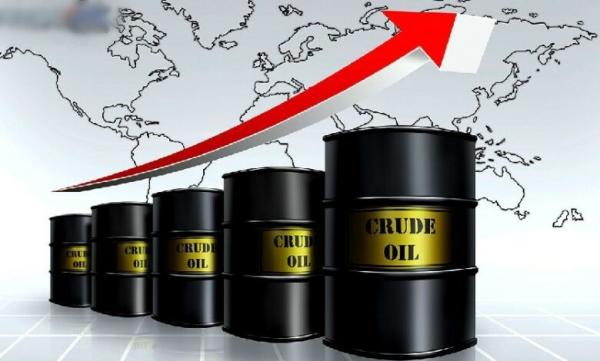
Oil prices have jumped significantly following escalating tensions involving Iran and disruptions to shipping lanes, particularly through the Strait of Hormuz.
Brent crude futures climbed as high as $82.37, a level unseen since January 2025, before settling slightly lower at $78.28, marking a $5.41, or 7.4%, increase by 0605 GMT.
Similarly, U.S. West Texas Intermediate (WTI) crude peaked at $75.33, a 12% surge and the highest since June, later receding to $71.76, a $4.74, or 7.1%, gain.
The price surges were triggered by ongoing exchanges of attacks that have damaged oil tankers and severely hampered vessel transit through the Strait of Hormuz, a critical waterway between Iran and Oman connecting the Gulf to the Arabian Sea.
Normally, this strait sees tankers carrying approximately one-fifth of global oil demand from Saudi Arabia, the United Arab Emirates, Iraq, Iran, and Kuwait, along with diesel, jet fuel, gasoline, and other products destined for major Asian markets like China and India.
“Markets are recognizing the seriousness of the conflict but, for the moment, are considering it just a geopolitical shock and not a systemic crisis,” noted Priyanka Sachdeva, senior analyst at Phillip Nova.
A prolonged closure of the Strait of Hormuz could lead to further oil price increases and supply shortages, especially impacting countries like China and India.
Shipping data indicated that over 200 tankers carrying oil and liquefied gas were stalled in the Gulf as of yesterday. Three tankers sustained damages, and one sailor was reported dead following attacks in Gulf waters.
Amid the ongoing conflict, OPEC+ members agreed to a modest oil production increase of 206,000 barrels per day for April.
Analysts caution that retail gasoline prices in the United States, the world's largest fuel consumer, could surpass $3 per gallon due to the conflict, potentially posing a challenge for President Donald Trump and the Republican Party ahead of the midterm elections in November.