 الأردن يعزي تركيا بضحايا حادث إطلاق نار في مدرسة
زين تبدأ احتفالاتها بيوم العلم بإضاءة مبانيها بألوان العلم
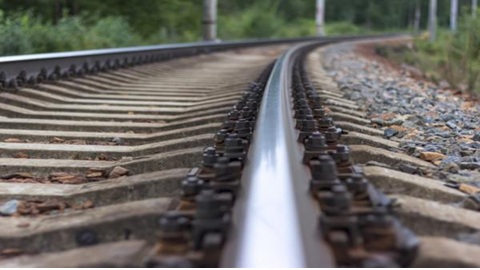
"الفوسفات": "سكة حديد ميناء العقبة" يوفر 5 آلاف فرصة عمل في الجنوب
الشبابُ حُماةُ العَلَمِ وصُنّاعُ المجد
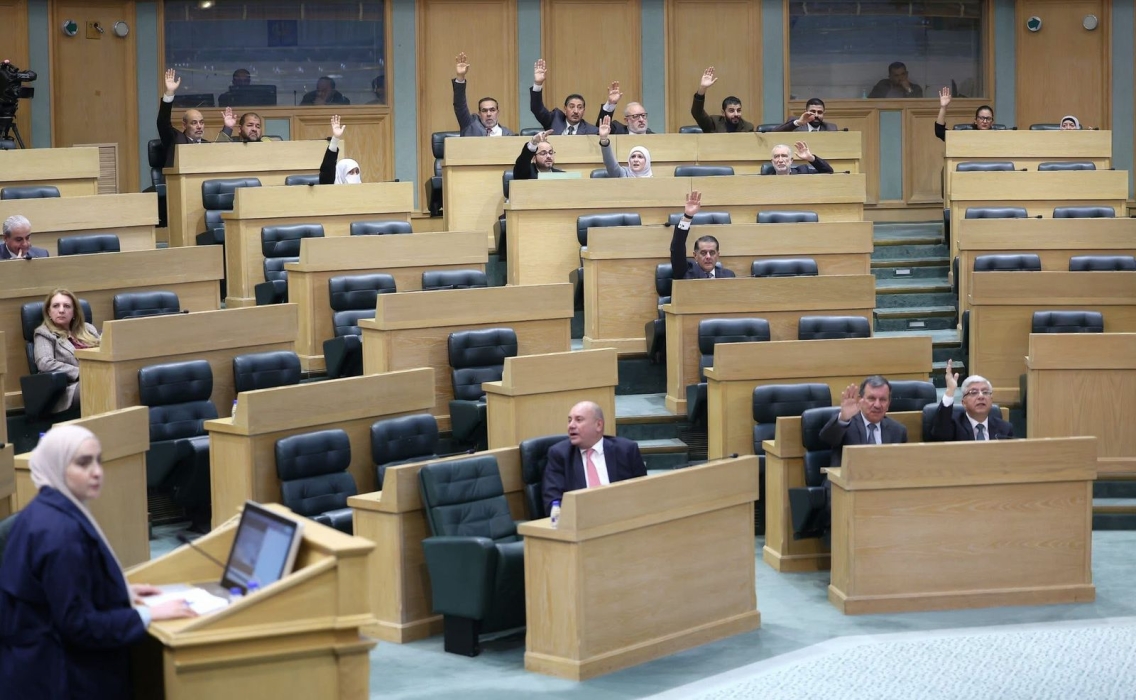
ثورة رقمية على الطرق: النواب يُقرّ “مُعدل السير 2026” ويطلق عصر المعاملات الإلكترونية للمركبات
(عادة بسيطة) في الصباح قد تحسّن المزاج طوال اليوم
قرقرة البطن.. علامة طبيعية أم إنذار لمشكلة هضمية؟
بـ4 زيوت طبيعية فعالة .. طرق بسيطة لحماية نفسك من بعوض «النمر»
ولادة في الجو تربك القوانين الأمريكية .. هل يحصل طفل الطائرة على الجنسية؟
"وباء صامت" سيصيب 1.8 مليار شخص حول العالم بحلول 2050
"الانباط" تتزين بالعلم الاردني
الصفدي ونظيره الألماني يبحث التطورات الإقليمية واستعادة التهدئة
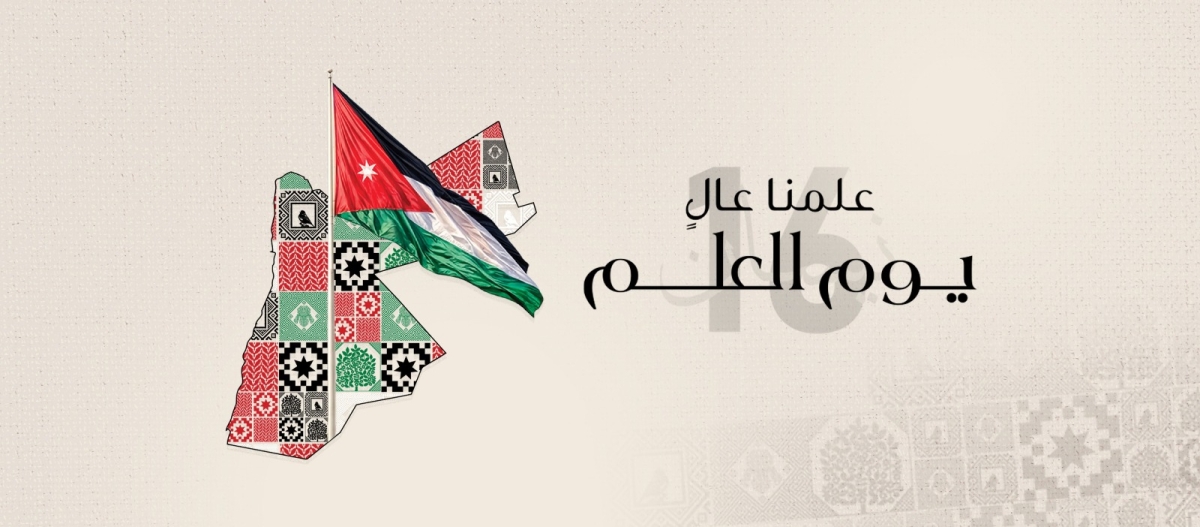
جمعيّة المركز الإسلامي الخيريّة تنهي استعداداتها للاحتفال بيوم العلم الأردني
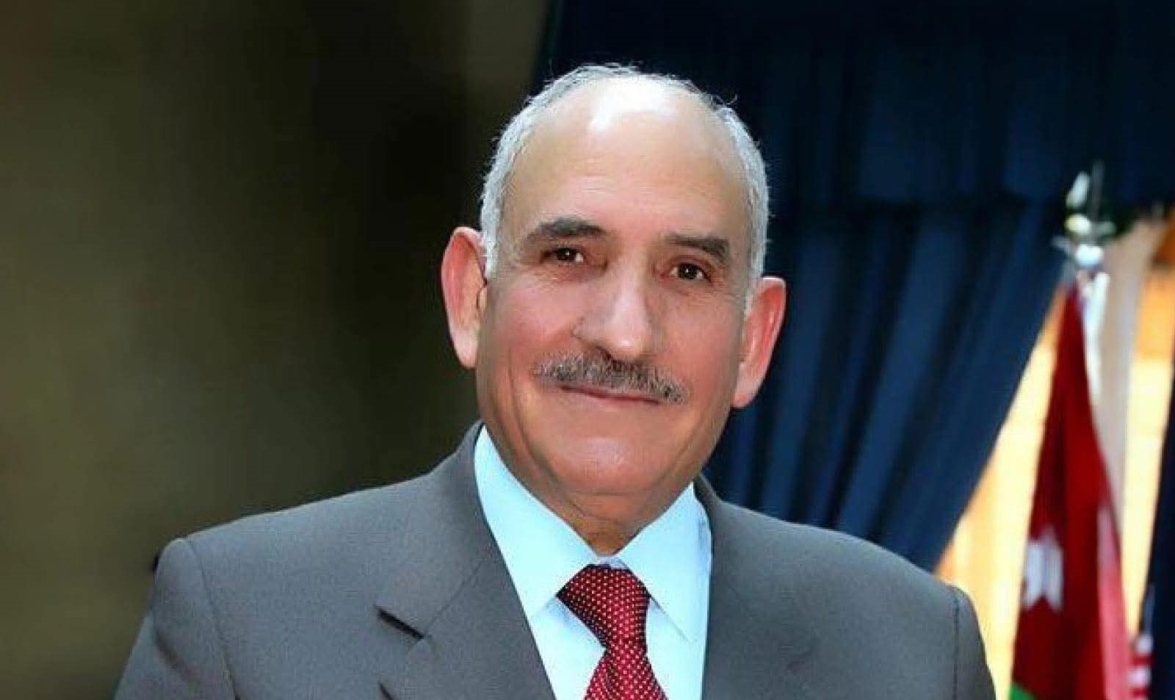
العمري: يوم العلم يجسد وحدة الأردنيين والتفافهم الراسخ خلف القيادة الهاشمية
رئيس الديوان الملكي يتفقد مشاريع مبادرات ملكية في وادي الموجب ووادي ابن حماد والأغوار الجنوبية ومدين بالكرك
أمنية شريك الاتصالات لمؤتمر FMC 2026 وتعرض دورها في تشغيل المرافق الذكية في الأردن
وزير المياه والري يشدد على ضرورة الاستعداد الجيد لتأمين احتياجات صيف 2026
مجموعة المطار الدولي تحتفي بإدراج مطار الملكة علياء الدولي ضمن قائمة أفضل 100 مطار في العالم وفق تصنيف "سكاي تراكس"
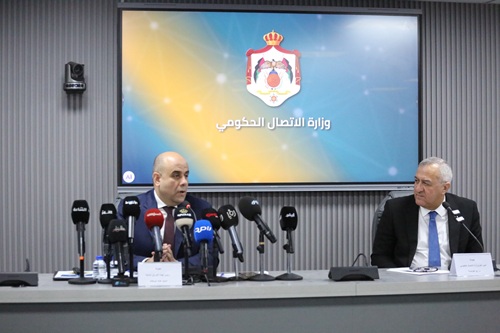
"الاتصال الحكومي" تنشر موجز إنجازات الوزارات والمؤسسات الحكومية
"أمن الدولة" تصدر قرارها بتجريم المتهمين بقضايا مخدرات
الأردن يعزي تركيا بضحايا حادث إطلاق نار في مدرسة
زين تبدأ احتفالاتها بيوم العلم بإضاءة مبانيها بألوان العلم
"الفوسفات": "سكة حديد ميناء العقبة" يوفر 5 آلاف فرصة عمل في الجنوب
الشبابُ حُماةُ العَلَمِ وصُنّاعُ المجد
ثورة رقمية على الطرق: النواب يُقرّ “مُعدل السير 2026” ويطلق عصر المعاملات الإلكترونية للمركبات
(عادة بسيطة) في الصباح قد تحسّن المزاج طوال اليوم
قرقرة البطن.. علامة طبيعية أم إنذار لمشكلة هضمية؟
بـ4 زيوت طبيعية فعالة .. طرق بسيطة لحماية نفسك من بعوض «النمر»
ولادة في الجو تربك القوانين الأمريكية .. هل يحصل طفل الطائرة على الجنسية؟
"وباء صامت" سيصيب 1.8 مليار شخص حول العالم بحلول 2050
"الانباط" تتزين بالعلم الاردني
الصفدي ونظيره الألماني يبحث التطورات الإقليمية واستعادة التهدئة
جمعيّة المركز الإسلامي الخيريّة تنهي استعداداتها للاحتفال بيوم العلم الأردني
العمري: يوم العلم يجسد وحدة الأردنيين والتفافهم الراسخ خلف القيادة الهاشمية
رئيس الديوان الملكي يتفقد مشاريع مبادرات ملكية في وادي الموجب ووادي ابن حماد والأغوار الجنوبية ومدين بالكرك
أمنية شريك الاتصالات لمؤتمر FMC 2026 وتعرض دورها في تشغيل المرافق الذكية في الأردن
وزير المياه والري يشدد على ضرورة الاستعداد الجيد لتأمين احتياجات صيف 2026
مجموعة المطار الدولي تحتفي بإدراج مطار الملكة علياء الدولي ضمن قائمة أفضل 100 مطار في العالم وفق تصنيف "سكاي تراكس"
"الاتصال الحكومي" تنشر موجز إنجازات الوزارات والمؤسسات الحكومية
"أمن الدولة" تصدر قرارها بتجريم المتهمين بقضايا مخدرات
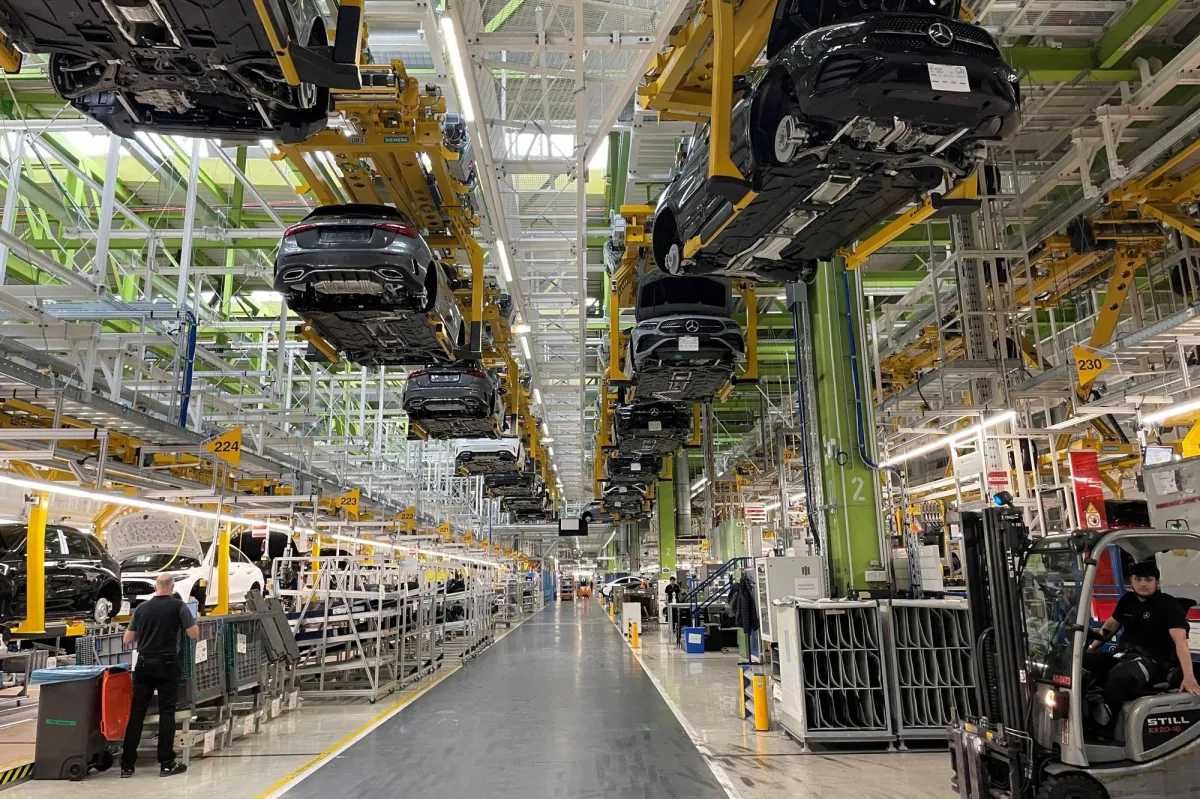
Eurozone manufacturing activity has surged, marking its fastest expansion in nearly four years, according to a survey released on Monday. This growth is fueled by a resurgence in new orders and increased industrial output, though rising cost pressures are impacting profit margins.
The HCOB Eurozone Manufacturing Purchasing Managers' Index (PMI), compiled by S&P Global, climbed to 50.8 in February, up from 49.5 in January. This is the highest level since June 2020 and the first time the index has surpassed the 50 mark, which separates growth from contraction, since August.
Germany is leading the rebound, returning to growth for the first time in three and a half years. Italy, the Netherlands, Ireland, and Greece are also experiencing strong growth. France, however, is the only major economy seeing a slowdown, with its manufacturing sector stagnating after a strong January. Spain is experiencing stagnation, while Austria is seeing a slight decline.
New orders have seen the strongest increase since April 2022, marking only the second instance of positive growth in approximately four years. Factory output has expanded for the eleventh time in 12 months, reaching a six-month high.
Despite overall improvements, foreign demand remains weak, although it is declining at the slowest pace in three months, suggesting stabilization. Inflationary pressures are intensifying, with input costs rising at the fastest rate in 38 months. Companies are reporting higher energy prices, and manufacturers are increasing their output prices at the fastest pace since March 2023.
Business confidence is at a four-year high, with companies increasingly optimistic about growth prospects for the coming year. Employment in factories across the Eurozone continues to decline, continuing a trend that began in June 2023, although the rate of job losses has slowed.
In Germany, the manufacturing sector is showing signs of recovery, supported by accelerating growth in output and new orders. The HCOB final Manufacturing PMI for Germany rose to 50.9 in February, up from 49.1 in January, indicating improved operating conditions for factories. This rise marks the first time the index has exceeded 50 since June 2022.
The German recovery is driven by growth in output, new orders, and increased employment levels. Manufacturers of intermediate and capital goods are contributing the most to these gains. Optimism for the coming year is at its highest level in four years, potentially due to government incentives for infrastructure and increased defense spending.
France's manufacturing sector experienced growth in February, slightly exceeding initial estimates, supported by strong demand in the automotive and aviation sectors. The final HCOB French Manufacturing PMI for February fell to 50.1, after reaching a 43-month high of 51.2 in January, but remained above the 50 mark. Despite increased industrial output and business optimism, foreign orders in the manufacturing sector have decreased.