 الأردن يعزي تركيا بضحايا حادث إطلاق نار في مدرسة
زين تبدأ احتفالاتها بيوم العلم بإضاءة مبانيها بألوان العلم
"الفوسفات": "سكة حديد ميناء العقبة" يوفر 5 آلاف فرصة عمل في الجنوب
الشبابُ حُماةُ العَلَمِ وصُنّاعُ المجد
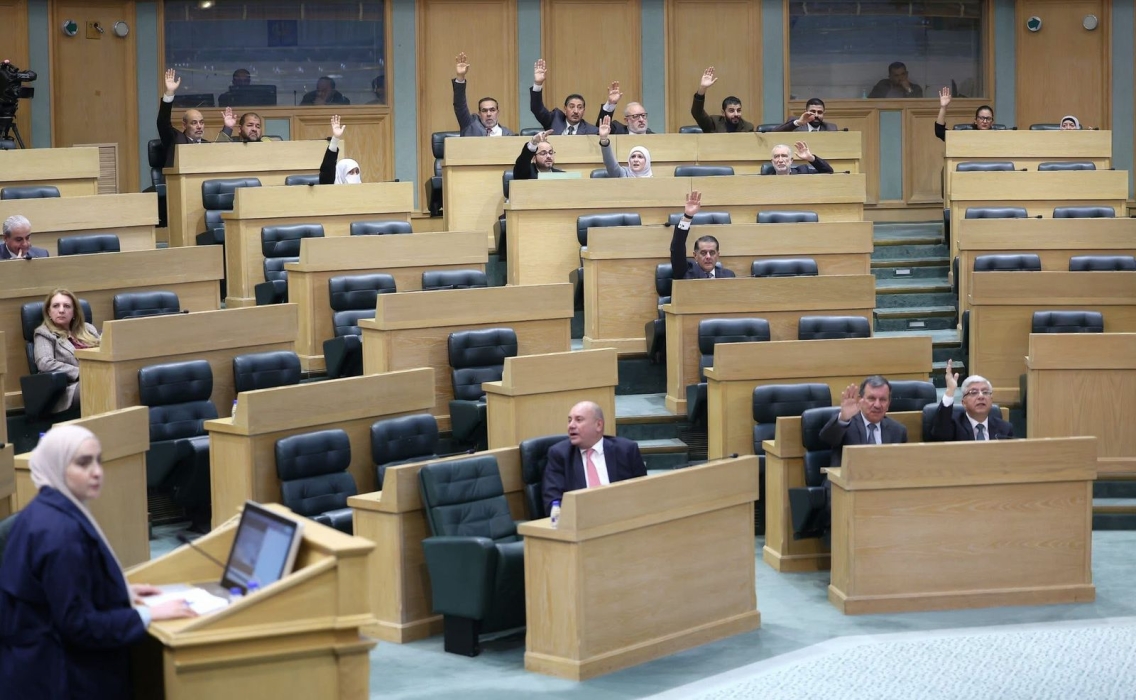
ثورة رقمية على الطرق: النواب يُقرّ “مُعدل السير 2026” ويطلق عصر المعاملات الإلكترونية للمركبات
(عادة بسيطة) في الصباح قد تحسّن المزاج طوال اليوم
قرقرة البطن.. علامة طبيعية أم إنذار لمشكلة هضمية؟
بـ4 زيوت طبيعية فعالة .. طرق بسيطة لحماية نفسك من بعوض «النمر»
ولادة في الجو تربك القوانين الأمريكية .. هل يحصل طفل الطائرة على الجنسية؟
"وباء صامت" سيصيب 1.8 مليار شخص حول العالم بحلول 2050
"الانباط" تتزين بالعلم الاردني
الصفدي ونظيره الألماني يبحث التطورات الإقليمية واستعادة التهدئة
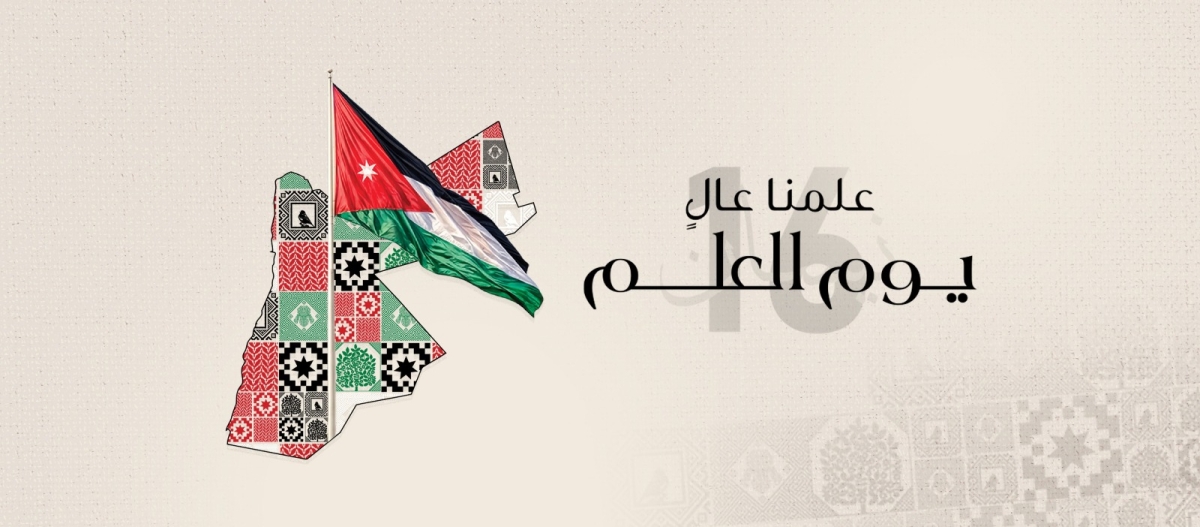
جمعيّة المركز الإسلامي الخيريّة تنهي استعداداتها للاحتفال بيوم العلم الأردني
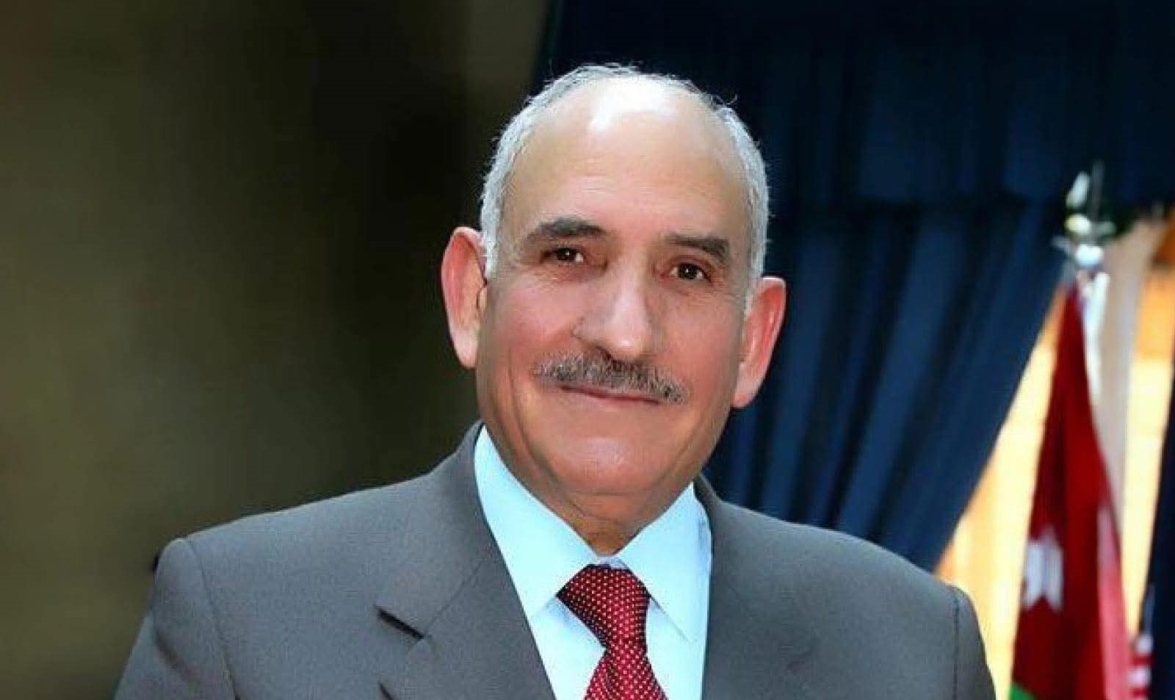
العمري: يوم العلم يجسد وحدة الأردنيين والتفافهم الراسخ خلف القيادة الهاشمية
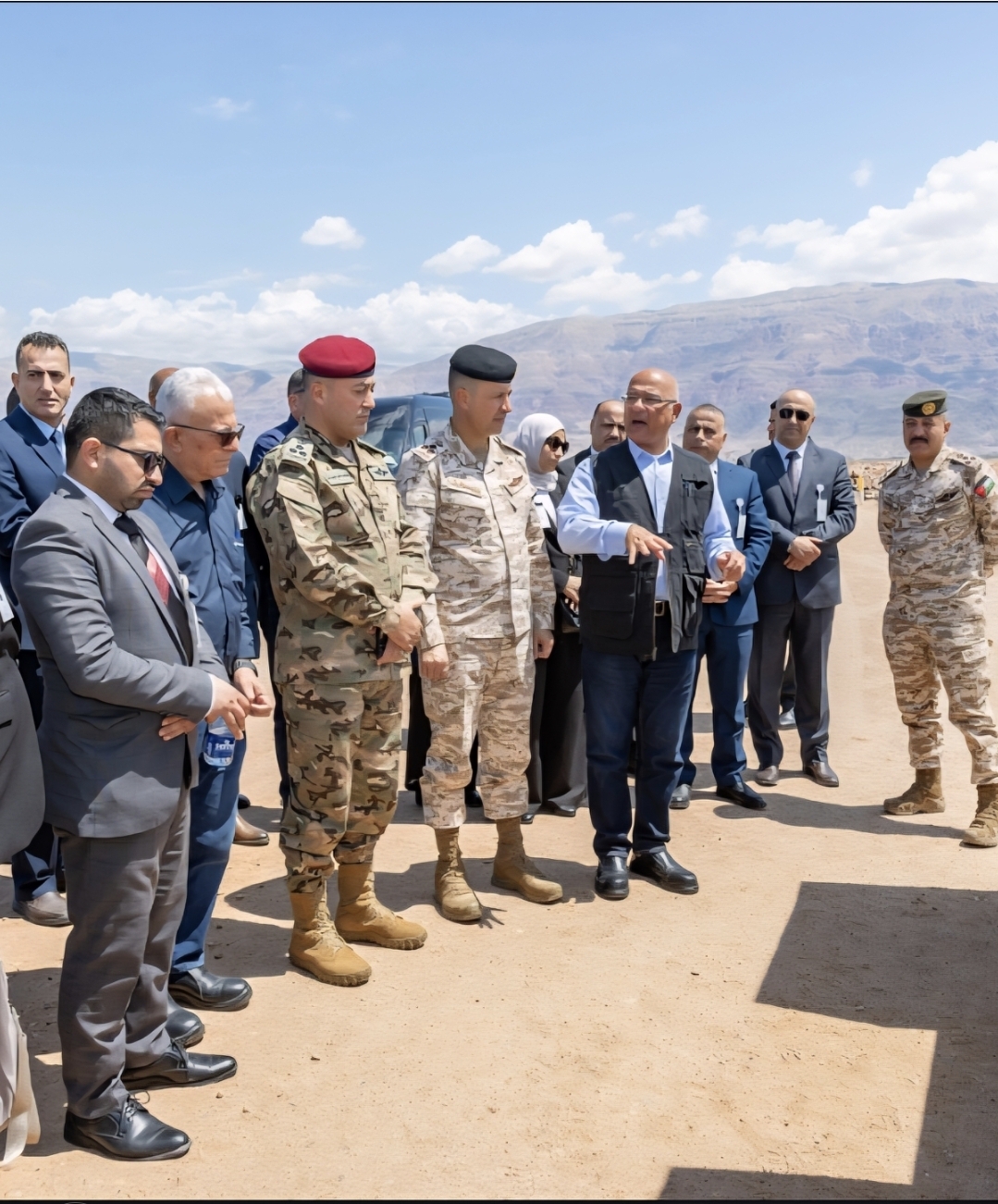
رئيس الديوان الملكي يتفقد مشاريع مبادرات ملكية في وادي الموجب ووادي ابن حماد والأغوار الجنوبية ومدين بالكرك
أمنية شريك الاتصالات لمؤتمر FMC 2026 وتعرض دورها في تشغيل المرافق الذكية في الأردن
وزير المياه والري يشدد على ضرورة الاستعداد الجيد لتأمين احتياجات صيف 2026
مجموعة المطار الدولي تحتفي بإدراج مطار الملكة علياء الدولي ضمن قائمة أفضل 100 مطار في العالم وفق تصنيف "سكاي تراكس"
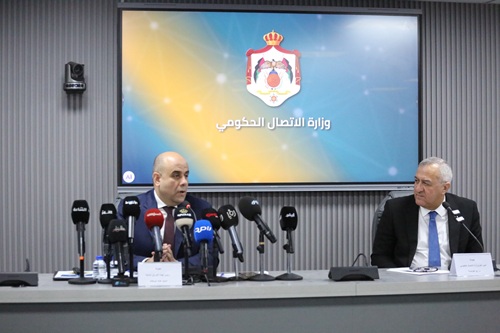
"الاتصال الحكومي" تنشر موجز إنجازات الوزارات والمؤسسات الحكومية
"أمن الدولة" تصدر قرارها بتجريم المتهمين بقضايا مخدرات
الأردن يعزي تركيا بضحايا حادث إطلاق نار في مدرسة
زين تبدأ احتفالاتها بيوم العلم بإضاءة مبانيها بألوان العلم
"الفوسفات": "سكة حديد ميناء العقبة" يوفر 5 آلاف فرصة عمل في الجنوب
الشبابُ حُماةُ العَلَمِ وصُنّاعُ المجد
ثورة رقمية على الطرق: النواب يُقرّ “مُعدل السير 2026” ويطلق عصر المعاملات الإلكترونية للمركبات
(عادة بسيطة) في الصباح قد تحسّن المزاج طوال اليوم
قرقرة البطن.. علامة طبيعية أم إنذار لمشكلة هضمية؟
بـ4 زيوت طبيعية فعالة .. طرق بسيطة لحماية نفسك من بعوض «النمر»
ولادة في الجو تربك القوانين الأمريكية .. هل يحصل طفل الطائرة على الجنسية؟
"وباء صامت" سيصيب 1.8 مليار شخص حول العالم بحلول 2050
"الانباط" تتزين بالعلم الاردني
الصفدي ونظيره الألماني يبحث التطورات الإقليمية واستعادة التهدئة
جمعيّة المركز الإسلامي الخيريّة تنهي استعداداتها للاحتفال بيوم العلم الأردني
العمري: يوم العلم يجسد وحدة الأردنيين والتفافهم الراسخ خلف القيادة الهاشمية
رئيس الديوان الملكي يتفقد مشاريع مبادرات ملكية في وادي الموجب ووادي ابن حماد والأغوار الجنوبية ومدين بالكرك
أمنية شريك الاتصالات لمؤتمر FMC 2026 وتعرض دورها في تشغيل المرافق الذكية في الأردن
وزير المياه والري يشدد على ضرورة الاستعداد الجيد لتأمين احتياجات صيف 2026
مجموعة المطار الدولي تحتفي بإدراج مطار الملكة علياء الدولي ضمن قائمة أفضل 100 مطار في العالم وفق تصنيف "سكاي تراكس"
"الاتصال الحكومي" تنشر موجز إنجازات الوزارات والمؤسسات الحكومية
"أمن الدولة" تصدر قرارها بتجريم المتهمين بقضايا مخدرات
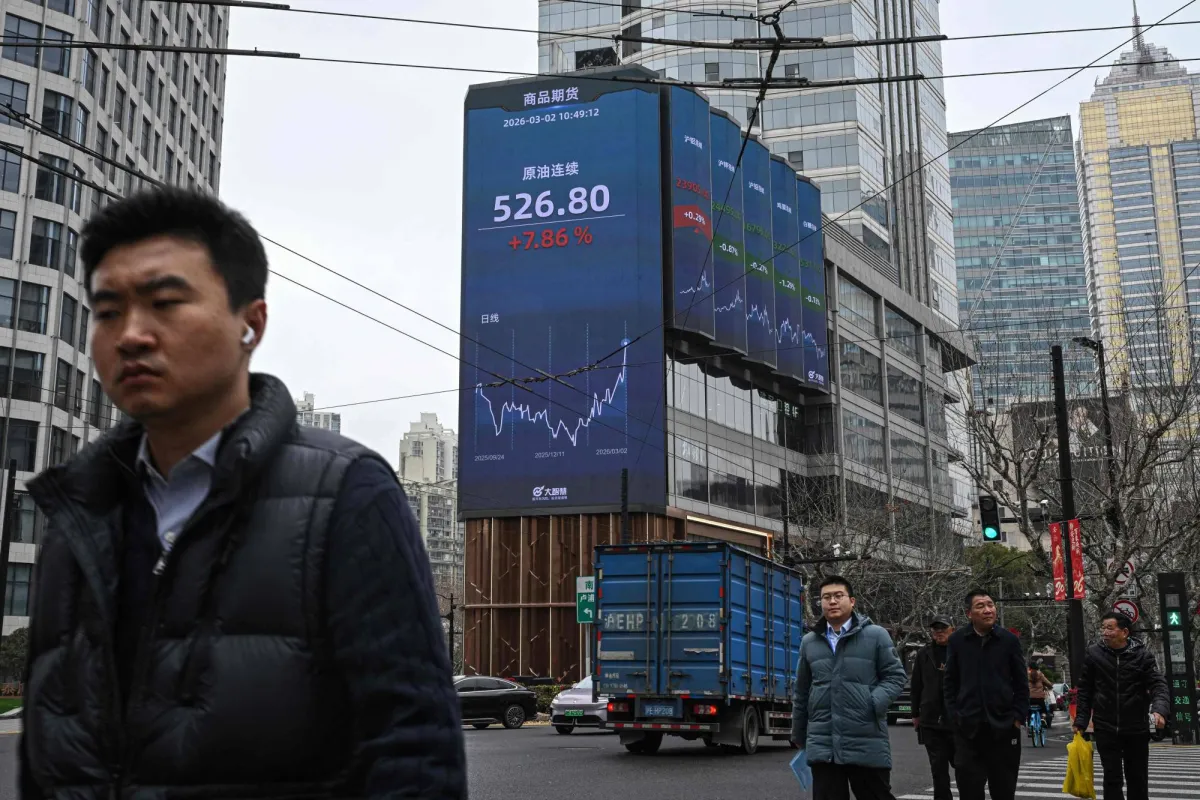
Asia, heavily reliant on Middle Eastern oil and gas, faces potential supply disruptions amid escalating regional tensions. The continent's capacity to withstand a prolonged cutoff hinges on its strategic petroleum reserves and diversification efforts.
Recent data indicates varying levels of preparedness among Asia's major energy consumers. China, the world's largest crude oil importer, holds substantial reserves, including floating storage and strategic stockpiles. These reserves mitigate the immediate risk of shortages, despite nearly half of China's oil imports originating from the Middle East.
Japan, importing approximately 95% of its oil from the Middle East with 70% traversing the Strait of Hormuz, maintains reserves sufficient for 254 days of consumption. The country is also the second-largest importer of liquefied natural gas (LNG), with Australia providing 40% of its supplies.
South Korea relies almost entirely on imports to meet its energy needs. About 70% of its oil and 20% of its LNG come from the Middle East. The nation's strategic petroleum reserve totals 100 million barrels, supplemented by an additional 95 million barrels held by the private sector, enough for approximately 208 days.
India has seen its reliance on Middle Eastern oil climb to 55% of its crude oil imports. This is equivalent to 2.74 million barrels per day, as of January. Government sources claim sufficient crude oil and refined fuel stockpiles to meet demand for about 74 days. However, refining sector sources suggest a more conservative estimate of 20 to 25 days.
While strategic reserves offer a buffer, the duration and severity of a potential Strait of Hormuz closure would ultimately determine the extent of the impact on Asian economies. Diversification of supply sources and energy conservation measures are crucial for long-term energy security.
The situation remains fluid, and ongoing geopolitical developments will continue to shape Asia's energy security landscape. Close monitoring of supply routes and proactive risk management are essential for mitigating potential disruptions.