 تجديد الثقة في الدكتور علاء عبد الهادي نقيبًا لاتحاد كتاب مصر، وانتخاب عبده الزراع نائبًا للرئيس
تحديثات جديدة على "سند" تشمل خدمات دون إنترنت وتجديد رخص المركبات إلكترونيا
عطلة رسمية في الثلاثين من نيسان بمناسبة يوم العمال العالمي
عيد ميلاد سعيد محمد شاهين
أجواء ربيعية دافئة حتى الجمعة وانخفاض ملموس السبت
السعودية: غرامات تصل 26 ألف دولار لمن يحاول أداء الحج دون تصريح
تكليف القبول الموحد برسم خريطة لتنفيذ امتحان قبول التجسير
الخارجية الأمريكية: لبنان وإسرائيل اتفقا على إطلاق مفاوضات مباشرة
ما مقدار النوم الذي يحتاجه كبار السن؟
لماذا نشعر بالراحة عند كشف القدمين ليلا؟
اختفاء الفنانة فيروز يثير القلق .. ونقابة الموسيقيين بلبنان: لا نمتلك أي تفاصيل
تحذير من احتيال إلكتروني يهدد بسرقة بيانات مستخدمي "آيفون" حول العالم
غوتيريش يطالب بمفاوضات اميركية ايرانية جادة واحترام القانون الدولي
عطية يلتقي رئيسي المجلس الوطني الاتحادي الإماراتي والنواب البحريني
الحاج عادل مخلص المحتسب ( ابو ابراهيم ) في ذمة الله
حُراس الذاكرة وأرض الأنبياء والصحابة: تأملات من رحاب أم قيس
حبول رئيسا لنقابة أصحاب صالونات الرجال
قرارات لمجلس الوزراء تتعلَّق بتحديث القطاع العام وتحسين الخدمات المقدَّمة للمواطنين ودعم السياحة
منطلقات لفهم المشروع الإيراني
السفير الصيني: اعتداء ايران على المنشأت الاردنية غير مبررة
تجديد الثقة في الدكتور علاء عبد الهادي نقيبًا لاتحاد كتاب مصر، وانتخاب عبده الزراع نائبًا للرئيس
تحديثات جديدة على "سند" تشمل خدمات دون إنترنت وتجديد رخص المركبات إلكترونيا
عطلة رسمية في الثلاثين من نيسان بمناسبة يوم العمال العالمي
عيد ميلاد سعيد محمد شاهين
أجواء ربيعية دافئة حتى الجمعة وانخفاض ملموس السبت
السعودية: غرامات تصل 26 ألف دولار لمن يحاول أداء الحج دون تصريح
تكليف القبول الموحد برسم خريطة لتنفيذ امتحان قبول التجسير
الخارجية الأمريكية: لبنان وإسرائيل اتفقا على إطلاق مفاوضات مباشرة
ما مقدار النوم الذي يحتاجه كبار السن؟
لماذا نشعر بالراحة عند كشف القدمين ليلا؟
اختفاء الفنانة فيروز يثير القلق .. ونقابة الموسيقيين بلبنان: لا نمتلك أي تفاصيل
تحذير من احتيال إلكتروني يهدد بسرقة بيانات مستخدمي "آيفون" حول العالم
غوتيريش يطالب بمفاوضات اميركية ايرانية جادة واحترام القانون الدولي
عطية يلتقي رئيسي المجلس الوطني الاتحادي الإماراتي والنواب البحريني
الحاج عادل مخلص المحتسب ( ابو ابراهيم ) في ذمة الله
حُراس الذاكرة وأرض الأنبياء والصحابة: تأملات من رحاب أم قيس
حبول رئيسا لنقابة أصحاب صالونات الرجال
قرارات لمجلس الوزراء تتعلَّق بتحديث القطاع العام وتحسين الخدمات المقدَّمة للمواطنين ودعم السياحة
منطلقات لفهم المشروع الإيراني
السفير الصيني: اعتداء ايران على المنشأت الاردنية غير مبررة
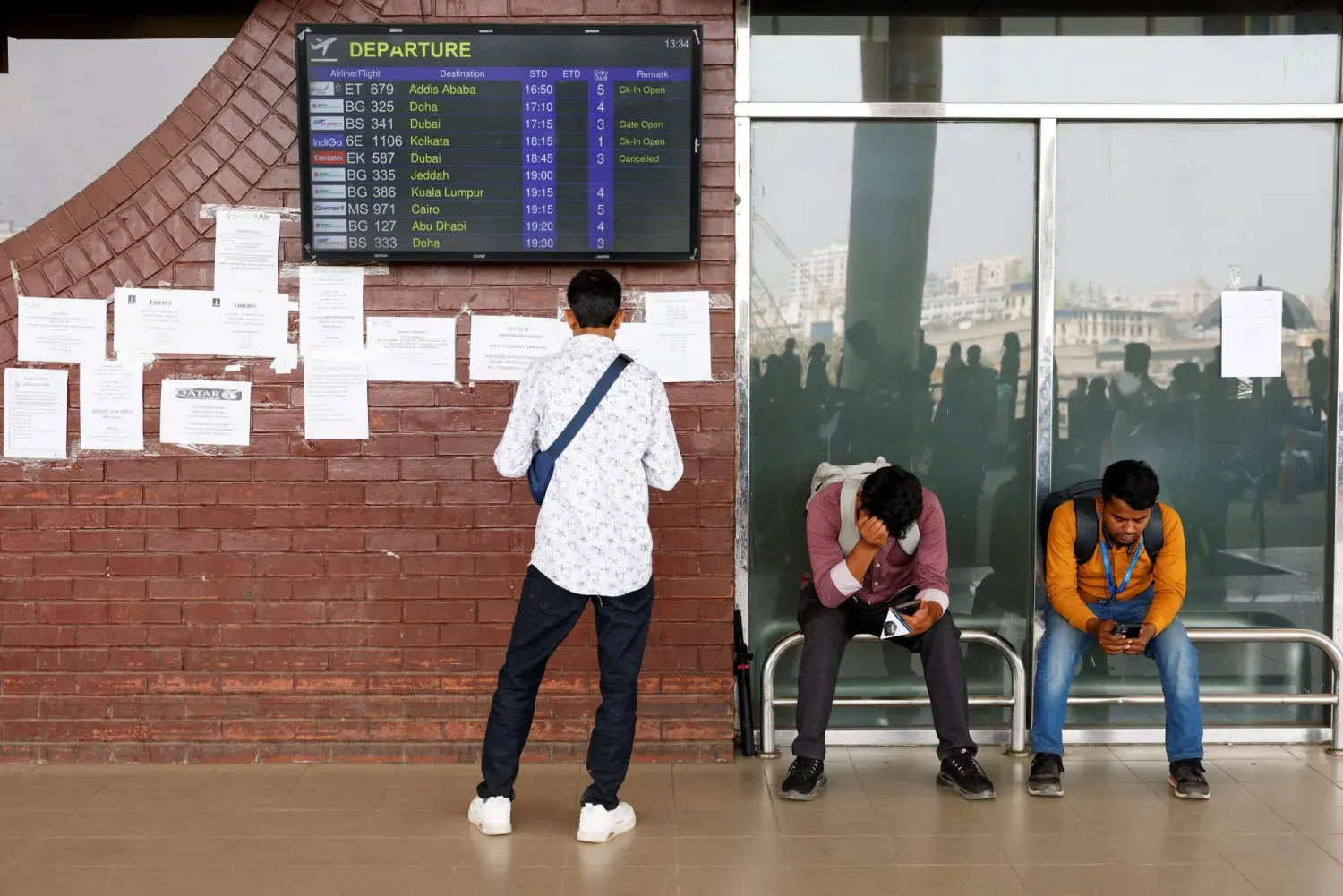
Global airlines are continuing to extend the suspension of flights to and from the Middle East, causing widespread disruption and stranding tens of thousands of passengers, as regional tensions impact air travel routes.
The closures of regional airspaces, including those of Dubai, Doha, Abu Dhabi, and Kuwait, have created a domino effect on global travel, disrupting flight schedules across continents. These hubs serve as critical junctions between East and West, and their closure has left aircraft and crews stranded, leading to complex logistical challenges in rescheduling operations.
The United Arab Emirates' General Civil Aviation Authority reported that it is dealing with over 20,000 affected passengers. Abu Dhabi airport reported casualties and injuries, while Dubai's main airport reported damage to a passenger terminal with four staff injuries. Minor damage was also reported at airports in Bahrain and Kuwait, leading to comprehensive security lockdowns.
Saudi Arabian Airlines announced the cancellation of flights to and from Amman, Kuwait, Abu Dhabi, Dubai, Doha, Bahrain, Moscow, and Peshawar until 23:59 on Monday. Flynas also suspended flights to various regional destinations, including Kuwait, Abu Dhabi, Dubai, Sharjah, Doha, Bahrain, Iraq, Jordan, Damascus, Moscow, Tbilisi, Baku, Uzbekistan, and Kyrgyzstan, until 12:00 noon on March 1, 2026.
Flightradar24 data indicated that airspace over Iran, Iraq, Kuwait, Israel, Bahrain, the United Arab Emirates, and Qatar remained largely empty. A notice to airmen extended the closure of Iranian airspace until at least 08:30 GMT on March 3.
Airlines across Europe, Asia, and the Middle East have canceled or rerouted flights to avoid closed or restricted airspace, resulting in longer flight times and increased fuel costs, according to Reuters.
The disruption has been exacerbated by the loss of flight paths over Iran and Iraq, which have become more important since the Russia-Ukraine war forced airlines to avoid the airspace of both countries. According to Flightradar24, the closure of Middle Eastern airspace is creating a bottleneck for airlines, and conflict between Pakistan and Afghanistan poses another risk.
Indian Airlines canceled flights on Sunday departing from Delhi, Mumbai, and Amritsar to major cities in Europe and North America, further highlighting the extent of the disruptions.