 علمنا والنشامى: حين تصبح الرياضة نبضاً للهوية الوطنية في يوم العلم
مركز البحوث الدوائية والتشخيصية في عمّان الأهلية يستقبل وفدًا من المركز الأردني للتصميم والتطوير
كلية الحقوق في عمان الأهلية تنظم جلسة حوارية حول نظام ممارسة الأنشطة الحزبية الطلابية
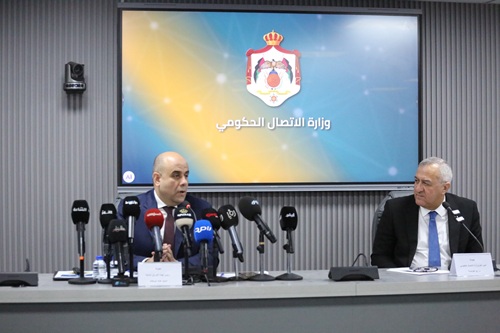
التلهوني : تخفيض الرسوم على المواطن في حال استخدام خدمات كاتب العدل الالكترونية
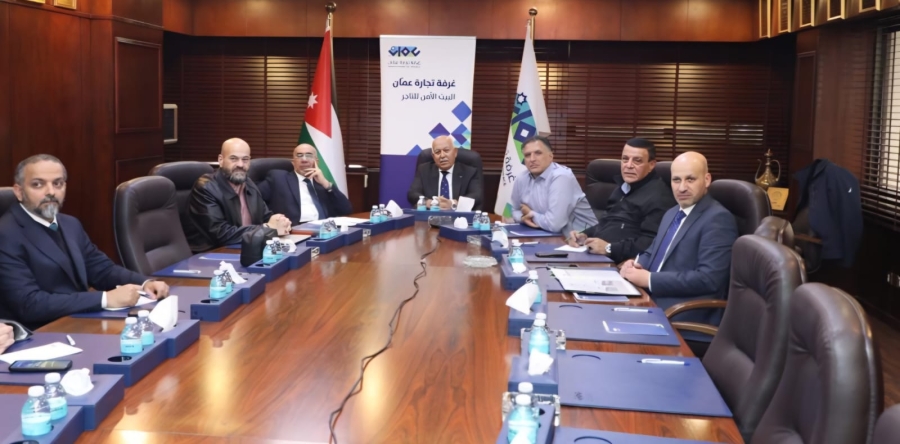
تجارة عمان: شبكة الأعمال الأردنية–السعودية انتقلت من الفكرة إلى التنفيذ وتستهدف شراكات استثمارية
أيلة تشارك أبناء الوطن الاحتفال بيوم العلم الأردني
هيئة مستثمري المناطق الحرة تحتفي بيوم العلم
شي يحث على تنسيق استراتيجي أوثق وأقوى بين الصين وروسيا للدفاع عن مصالحهما المشروعة والحفاظ على وحدة دول الجنوب العالمي
رئيس الوزراء: بفخر واعتزاز نحتفل اليوم بعلمنا الأردني
القوات المسلحة تدعو المكلفين بخدمة العلم الدفعة الثانية لعام 2026 لمراجعة منصة خدمة العلم
"سلطة العقبة": تسريع تطوير البنية الرقمية لاستقطاب الاستثمارات التكنولوجية العالمية
وزير التربية: يوم العلم محطة لتعزيز الانتماء وترسيخ قيم الولاء في نفوس الطلبة
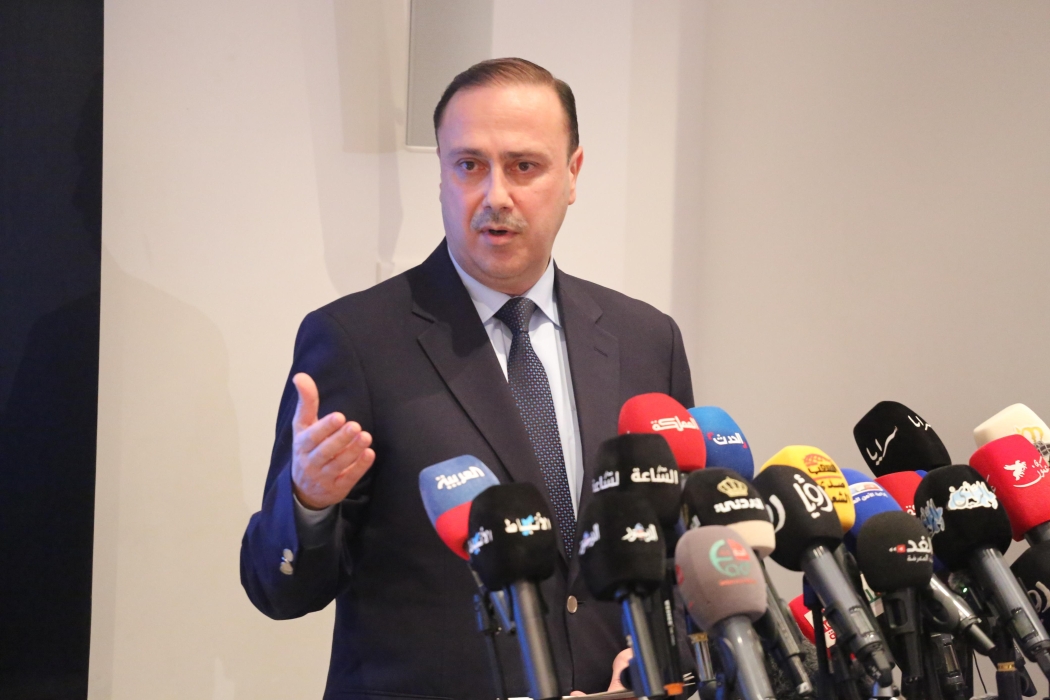
المومني: مشروع سكة حديد ميناء العقبة تحول استراتيجي في قطاع النقل واللوجستيات
بتوجيهات ملكية .. الأردن يرسل قافلة مساعدات جديدة إلى لبنان
الأردنية للبحث العلمي:العلم الأردني راية الكرامة ومسيرة وطن لا تنكسر
ولي العهد يحتفل بيوم العلم مع ابنته الأميرة إيمان
أجواء غير مستقرة مع أمطار رعدية حتى الجمعة وانخفاض ملموس السبت
الأردن يعزي تركيا بضحايا حادث إطلاق نار في مدرسة
زين تبدأ احتفالاتها بيوم العلم بإضاءة مبانيها بألوان العلم
"الفوسفات": "سكة حديد ميناء العقبة" يوفر 5 آلاف فرصة عمل في الجنوب
علمنا والنشامى: حين تصبح الرياضة نبضاً للهوية الوطنية في يوم العلم
مركز البحوث الدوائية والتشخيصية في عمّان الأهلية يستقبل وفدًا من المركز الأردني للتصميم والتطوير
كلية الحقوق في عمان الأهلية تنظم جلسة حوارية حول نظام ممارسة الأنشطة الحزبية الطلابية
التلهوني : تخفيض الرسوم على المواطن في حال استخدام خدمات كاتب العدل الالكترونية
تجارة عمان: شبكة الأعمال الأردنية–السعودية انتقلت من الفكرة إلى التنفيذ وتستهدف شراكات استثمارية
أيلة تشارك أبناء الوطن الاحتفال بيوم العلم الأردني
هيئة مستثمري المناطق الحرة تحتفي بيوم العلم
شي يحث على تنسيق استراتيجي أوثق وأقوى بين الصين وروسيا للدفاع عن مصالحهما المشروعة والحفاظ على وحدة دول الجنوب العالمي
رئيس الوزراء: بفخر واعتزاز نحتفل اليوم بعلمنا الأردني
القوات المسلحة تدعو المكلفين بخدمة العلم الدفعة الثانية لعام 2026 لمراجعة منصة خدمة العلم
"سلطة العقبة": تسريع تطوير البنية الرقمية لاستقطاب الاستثمارات التكنولوجية العالمية
وزير التربية: يوم العلم محطة لتعزيز الانتماء وترسيخ قيم الولاء في نفوس الطلبة
المومني: مشروع سكة حديد ميناء العقبة تحول استراتيجي في قطاع النقل واللوجستيات
بتوجيهات ملكية .. الأردن يرسل قافلة مساعدات جديدة إلى لبنان
الأردنية للبحث العلمي:العلم الأردني راية الكرامة ومسيرة وطن لا تنكسر
ولي العهد يحتفل بيوم العلم مع ابنته الأميرة إيمان
أجواء غير مستقرة مع أمطار رعدية حتى الجمعة وانخفاض ملموس السبت
الأردن يعزي تركيا بضحايا حادث إطلاق نار في مدرسة
زين تبدأ احتفالاتها بيوم العلم بإضاءة مبانيها بألوان العلم
"الفوسفات": "سكة حديد ميناء العقبة" يوفر 5 آلاف فرصة عمل في الجنوب
Oil prices are expected to surge when markets open, fueled by escalating tensions in the Middle East, analysts told Reuters.
The potential for supply disruptions through the Strait of Hormuz, a critical chokepoint for global oil flows, is a key factor driving these concerns. Approximately 20% of the world's oil transits this narrow waterway between Iran and Oman, along with substantial volumes of liquefied natural gas.
Analysts at Barclays suggest the oil market could face its worst fears. "In the current situation, we believe Brent could reach $100 (per barrel) as the market deals with the possibility of supply disruptions amid deteriorating security in the Middle East," they said.
Christopher Wong, an analyst at OCBC in Singapore, noted that the geopolitical risk premium is rising as markets approach the opening bell. Safe-haven assets like gold are also expected to see a jump, while riskier assets and high-volatility currencies could face initial turbulence, Wong added.
According to Reuters, energy analysts at Eurasia Group anticipate a sharp rise in oil prices if the conflict persists. They project a $5-10 increase above the current baseline of $73, based on a hypothetical scenario of Iran closing the Strait of Hormuz and disrupting tanker traffic.
Vishnu Varathan, head of economics and strategy for Asia ex-Japan at Mizuho in Singapore, stated that oil prices are likely to remain elevated as production and transit remain vulnerable to attacks and disruptions. He suggested that OPEC may face pressure to increase production to compensate, but even without a Strait of Hormuz closure, a 10%-25% premium on oil would not be surprising. A closure, he said, could easily raise the risk premium to 50%.
Halima Croft, head of commodity research at RBC Capital, said the ultimate impact on oil prices hinges on whether the Iranian Revolutionary Guard Corps de-escalates or continues escalatory actions. She added that regional leaders have warned Washington about the risks of further conflict with Iran, noting that oil prices exceeding $100 per barrel pose a clear danger.
While alternative infrastructure exists in the Middle East to bypass flows through the Strait, the net effect would still be a loss of 8 to 10 million barrels per day of crude oil supply in a global market consuming around 100 million barrels per day, according to George Leon, Senior Vice President and head of geopolitical analysis at Rystad Energy.
Leon added that countries with strategic petroleum reserves might take action and draw down supplies if the disruption in the Strait is prolonged. “Unless there are signs of de-escalation quickly, we expect a significant re-pricing of oil at the start of the week.”
Nick Ferres, chief investment officer at Vantage Point Asset Management in Singapore, believes energy remains inexpensive and is a clear sector poised for gains, along with gold.