 سكر الدم منتصف رمضان.. الجسم يتكيف ويحول الطاقة بذكاء
النظام الغذائي الغني بالدهون قد يزيد خطر أمراض الكبد
الامن العام :الدفاع المدني يخمد حريقاً شب في مستودع يحتوي على أخشاب في محافظة العاصمة
توقيع مذكرة تفاهم بين أبوغزاله وشركاه للاستشارات و MCC مينا الاستشارية لتعزيز استشارات الأمن الدوائي
الأمن: مقتل رجل طعنا على يد زوجته في عمّان
الملك لرئيس وزراء كندا: ضرورة ضبط النفس واستخدام الحوار لحل الأزمات
اغتيال الشخصية.. حين يتحول "التشويه" إلى سلاح لتقويض العمل العام
(وسائط متعددة) الصين تعتزم تطوير الاقتصاد الذكي وتعزيز التنمية الرقمية والذكية
(وسائط متعددة) تقرير: الصين تحقق إنجازات جديدة كبيرة خلال فترة 2021-2025
الأمن يكشف تفاصيل وفاة مسنّة على يد حفيدها بقصد السرقة
إغلاق جزئي وتحويلات مرورية في طبربور الجمعة
بيان صادر عن النائب طلال النسور حول مشروع تعديل قانون الضمان الاجتماعي
جمعية الفنادق تحتفي بأمسية لممثلي القطاع السياحي
وفاة أكبر معمر في الطفيلة عن أكثر من 100 عام
الاستهدافات الإيرانية لدول مجلس التعاون الخليجي والأردن تحوّل في معادلة الردع أم انزلاق نحو إعادة تشكيل الإقليم؟
الأمن العام يتعامل مع 187 بلاغاً لحادث سقوط شظايا
الملك يتلقى اتصالات هاتفية لبحث تطورات الأوضاع في المنطقة
الملك والرئيس السوري يبحثان هاتفيًا الأوضاع الإقليمية الخطيرة
رئيس هيئة الأركان المشتركة يزور كلية الدفاع الوطني وكلية القيادة والاركان
قطر تعلن اعتراض 13 صاروخاً و4 مسيّرات في عدة موجات الخميس
سكر الدم منتصف رمضان.. الجسم يتكيف ويحول الطاقة بذكاء
النظام الغذائي الغني بالدهون قد يزيد خطر أمراض الكبد
الامن العام :الدفاع المدني يخمد حريقاً شب في مستودع يحتوي على أخشاب في محافظة العاصمة
توقيع مذكرة تفاهم بين أبوغزاله وشركاه للاستشارات و MCC مينا الاستشارية لتعزيز استشارات الأمن الدوائي
الأمن: مقتل رجل طعنا على يد زوجته في عمّان
الملك لرئيس وزراء كندا: ضرورة ضبط النفس واستخدام الحوار لحل الأزمات
اغتيال الشخصية.. حين يتحول "التشويه" إلى سلاح لتقويض العمل العام
(وسائط متعددة) الصين تعتزم تطوير الاقتصاد الذكي وتعزيز التنمية الرقمية والذكية
(وسائط متعددة) تقرير: الصين تحقق إنجازات جديدة كبيرة خلال فترة 2021-2025
الأمن يكشف تفاصيل وفاة مسنّة على يد حفيدها بقصد السرقة
إغلاق جزئي وتحويلات مرورية في طبربور الجمعة
بيان صادر عن النائب طلال النسور حول مشروع تعديل قانون الضمان الاجتماعي
جمعية الفنادق تحتفي بأمسية لممثلي القطاع السياحي
وفاة أكبر معمر في الطفيلة عن أكثر من 100 عام
الاستهدافات الإيرانية لدول مجلس التعاون الخليجي والأردن تحوّل في معادلة الردع أم انزلاق نحو إعادة تشكيل الإقليم؟
الأمن العام يتعامل مع 187 بلاغاً لحادث سقوط شظايا
الملك يتلقى اتصالات هاتفية لبحث تطورات الأوضاع في المنطقة
الملك والرئيس السوري يبحثان هاتفيًا الأوضاع الإقليمية الخطيرة
رئيس هيئة الأركان المشتركة يزور كلية الدفاع الوطني وكلية القيادة والاركان
قطر تعلن اعتراض 13 صاروخاً و4 مسيّرات في عدة موجات الخميس
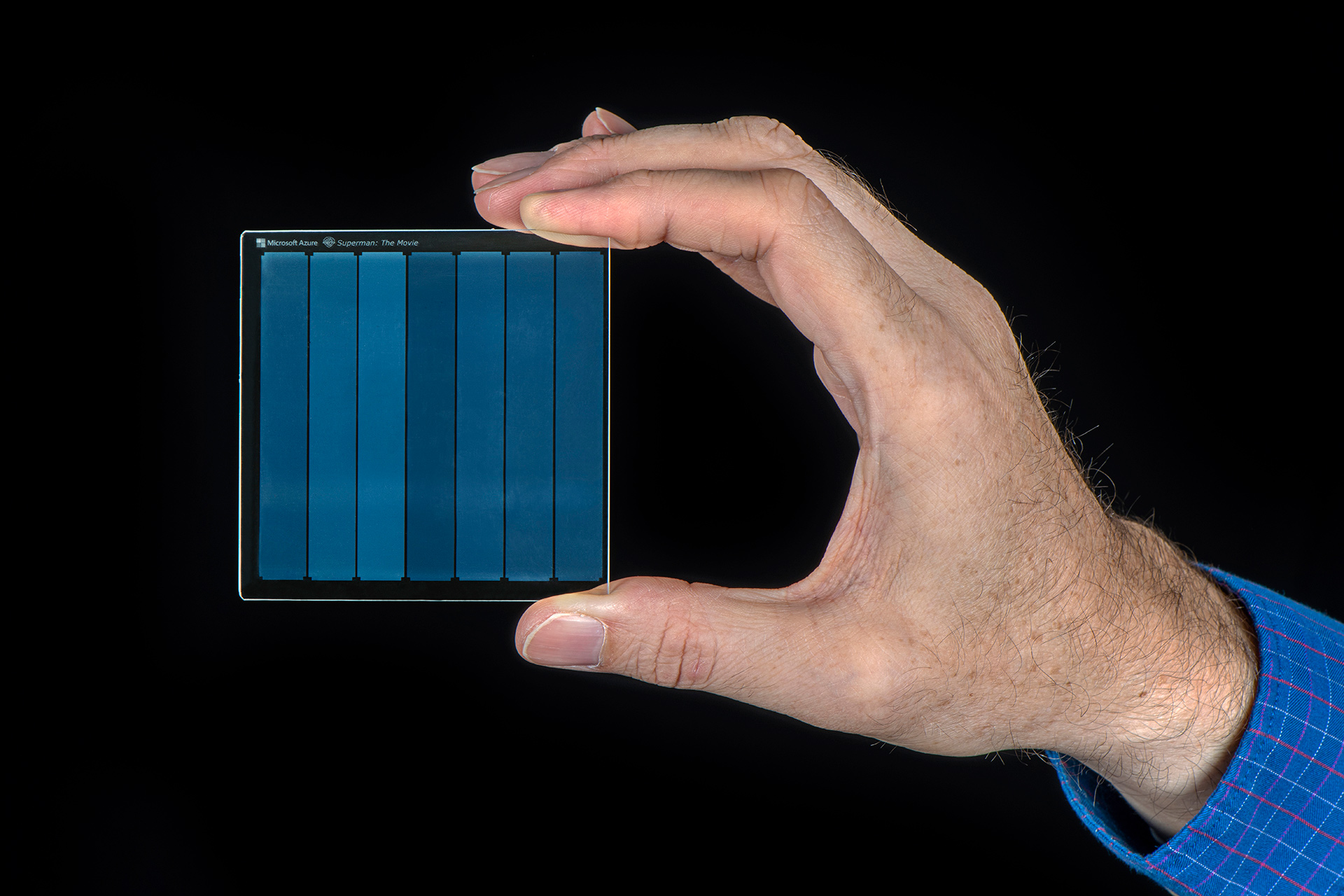
Microsoft is developing data storage solutions capable of preserving information for over 10,000 years, utilizing glass materials similar to those found in heat-resistant Pyrex glassware.
While the technology is not yet ready for widespread commercial use, it opens doors to a new future in data storage and human archive preservation.
The company has successfully stored 2.02 terabytes of data in a 2-millimeter thick glass pane. Although this is a reduction in storage space compared to previous experiments within Project Silica, the company has managed to replace the materials used in the experiment with a less expensive alternative to costly silica.
Microsoft achieved transfer speeds of up to 65.9 megabits per second using multiple parallel laser beams, surpassing the project's previous maximum speed of just over 25 megabytes per second.
Writing and reading data on glass discs is significantly more complex than traditional discs and currently requires specialized equipment, according to a report in Nature, in which Microsoft participated.
According to Ars Technica, Microsoft's focus on writing on glass comes after years of searching for practical and suitable solutions for storing human information archives, even considering the use of DNA.
The amount of information that can be stored in a piece no more than 12 centimeters wide and 2 millimeters thick is equivalent to the information stored in two million printed books, according to Nature. This opens up many possibilities for the future of data storage.
These glass pieces can withstand extremely high temperatures of up to 290 degrees Celsius and resist chemical and erosive factors for up to 10,000 years, provided the piece maintains its physical integrity.
The chemicals used in manufacturing the glass pieces used for data storage are more durable than traditional glass, making them less susceptible to breakage, Ars Technica reports.
The project began more than five years ago, during which Microsoft experimented with various solutions for writing on glass and used different materials to make the glass panels.
Peter Kazansky, a researcher in photonics at the University of Southampton in the United Kingdom and a former collaborator on the project, believes that simply succeeding in implementing the project opens wide doors for future uses, according to his conversation with Nature.