 انطلاق ورشات البرنامج الوطني لبناء القدرات في مجال كفاءة الطاقة لموظفي العمل
هيئة الاعتماد وضمان الجودة: شارفنا على الانتهاء من تطوير الخطط الدراسية للبكالوريوس
التكنولوجيا الزراعية في عمان الاهلية تشارك بورشة عمل حول البحث العلمي لتعزيز الاستدامة
طلبة جامعة عمان الأهلية يحققون إنجازًا عالميًا في الكاراتيه
رويترز: احتمال استئناف المفاوضات الأميركية الإيرانية في إسلام آباد هذا الأسبوع
وكالة عن مصدر: طهران وواشنطن اتفقتا على عقد جولة محادثات جديدة
وزير الخارجية يلتقي نظيره الإماراتي
ارتفاع ملموس على الحرارة وأجواء ربيعية دافئة حتى نهاية الأسبوع
تحول تشريعي نحو الهوية الرقمية وتعزيز كفاءة الإدارة العامة
(دقيقتان فقط).. سر بسيط لتحسين صحة الدماغ
فوائد وأضرار الشاي الأخضر
فانس عن جولة ثانية من المحادثات مع إيران: الكرة في ملعب طهران
بلومبرغ: تحركات لعقد مفاوضات أميركية إيرانية جديدة قبل انتهاء وقف النار
حالة الطقس المتوقعة لاربعة ايام
ارتفاع مؤشرات الأسهم الأميركية
إرادة الحسم الملكي: تحديث القطاع العام ليس خياراً بل معركة وجود خاص الأنباط...
السفارة الأمريكية في الاردن تستأنف تقديم الخدمات لرعاياها
صندوق النقد والبنك الدولي ووكالة الطاقة: تأثير "حرب إيران" عالمي وغير متكافئ على الدول
الصين تدعو لوقف التصعيد وتحذر من هشاشة الهدنة وسط تحركات دبلوماسية مكثفة
زيارة ميدانية لطلبة كلية القادسية إلى هيئة الأوراق المالية.
انطلاق ورشات البرنامج الوطني لبناء القدرات في مجال كفاءة الطاقة لموظفي العمل
هيئة الاعتماد وضمان الجودة: شارفنا على الانتهاء من تطوير الخطط الدراسية للبكالوريوس
التكنولوجيا الزراعية في عمان الاهلية تشارك بورشة عمل حول البحث العلمي لتعزيز الاستدامة
طلبة جامعة عمان الأهلية يحققون إنجازًا عالميًا في الكاراتيه
رويترز: احتمال استئناف المفاوضات الأميركية الإيرانية في إسلام آباد هذا الأسبوع
وكالة عن مصدر: طهران وواشنطن اتفقتا على عقد جولة محادثات جديدة
وزير الخارجية يلتقي نظيره الإماراتي
ارتفاع ملموس على الحرارة وأجواء ربيعية دافئة حتى نهاية الأسبوع
تحول تشريعي نحو الهوية الرقمية وتعزيز كفاءة الإدارة العامة
(دقيقتان فقط).. سر بسيط لتحسين صحة الدماغ
فوائد وأضرار الشاي الأخضر
فانس عن جولة ثانية من المحادثات مع إيران: الكرة في ملعب طهران
بلومبرغ: تحركات لعقد مفاوضات أميركية إيرانية جديدة قبل انتهاء وقف النار
حالة الطقس المتوقعة لاربعة ايام
ارتفاع مؤشرات الأسهم الأميركية
إرادة الحسم الملكي: تحديث القطاع العام ليس خياراً بل معركة وجود خاص الأنباط...
السفارة الأمريكية في الاردن تستأنف تقديم الخدمات لرعاياها
صندوق النقد والبنك الدولي ووكالة الطاقة: تأثير "حرب إيران" عالمي وغير متكافئ على الدول
الصين تدعو لوقف التصعيد وتحذر من هشاشة الهدنة وسط تحركات دبلوماسية مكثفة
زيارة ميدانية لطلبة كلية القادسية إلى هيئة الأوراق المالية.
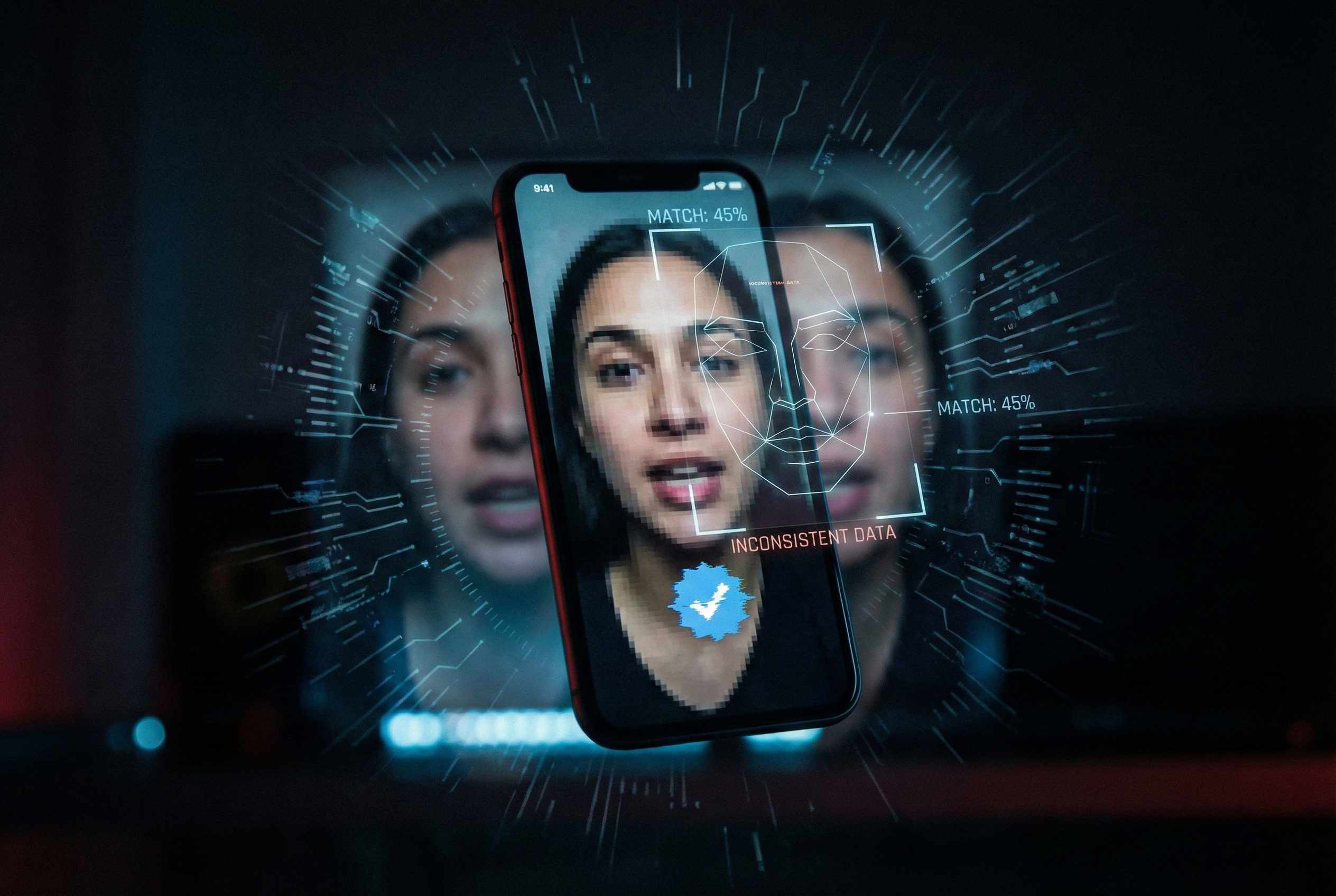
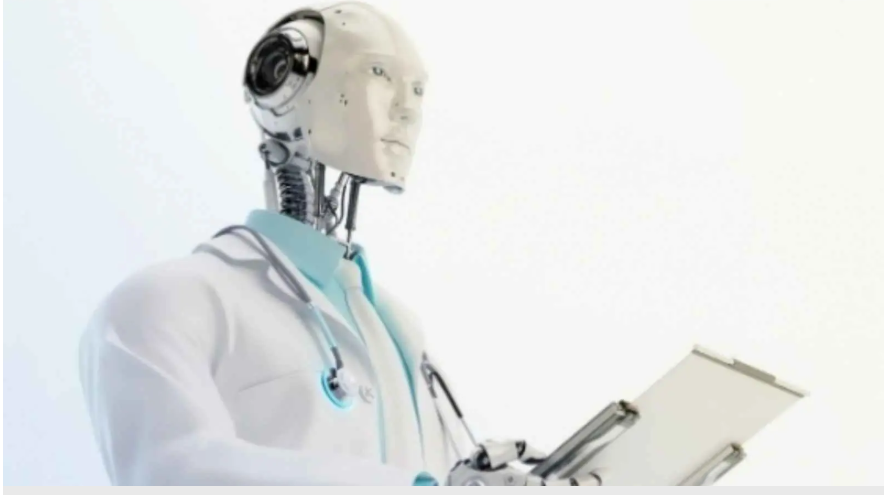
The rise of artificial intelligence has blurred the lines between reality and fabrication, challenging the age-old adage of "seeing is believing." With AI-generated faces now rivaling real ones in their realism, the implications for trust, security, and societal norms are profound.
The ability of AI to create nonexistent faces or replace one person's face with another in videos poses significant challenges. These include the erosion of legal and political evidence, as deepfakes can be used to fabricate confessions or damage reputations. The speed at which these manipulations can spread often outpaces the ability to verify their authenticity, leading to immediate social impact.
Moreover, the rise of deepfakes has enabled sophisticated social engineering and fraud schemes. Impersonating executives through fake video calls allows criminals to breach corporate security and manipulate financial transactions.
Modern deepfakes rely on Generative Adversarial Networks (GANs), pitting two algorithms against each other: one to create a human face, and the other to detect the forgery. Through millions of iterations, the generator achieves remarkable accuracy in mimicking human details, even replicating soft biometrics like blood vessel movement and light reflection in the cornea.
Studies suggest that people now find AI-generated faces more trustworthy than real ones. This is attributed to algorithms producing faces with average features, which the human brain instinctively trusts. Additionally, AI has overcome the "Uncanny Valley," making emotional responses to fake faces indistinguishable from real ones.
To combat the proliferation of deepfakes, digital forensics is emerging as a critical field. Companies like Microsoft and Adobe are developing "Digital Provenance" technologies, embedding encrypted tags in images and videos to ensure their authenticity from the point of capture.
Despite advancements in detection tools, the battle between forgers and detectors remains a continuous technological arms race. As detection methods improve, so do the algorithms that evade them.
In this era of systemic doubt, digital verification is crucial. When encountering suspicious videos, consider these guidelines:
Tools like Deepware Scanner, InVID Verification Plugin, and the Content Authenticity Initiative (CAI) aid in digital forensics. These tools help in verifying video links, tracing image origins, and ensuring content authenticity through encrypted tags.
Observers suggest that the era of "seeing is believing" is over, replaced by an age of systemic doubt. Critical thinking and source verification are now more important than eyesight. Truth is no longer seen but inferred.