 الخارجية الأمريكية: لبنان وإسرائيل اتفقا على إطلاق مفاوضات مباشرة
ما مقدار النوم الذي يحتاجه كبار السن؟
لماذا نشعر بالراحة عند كشف القدمين ليلا؟
اختفاء الفنانة فيروز يثير القلق .. ونقابة الموسيقيين بلبنان: لا نمتلك أي تفاصيل
تحذير من احتيال إلكتروني يهدد بسرقة بيانات مستخدمي "آيفون" حول العالم
غوتيريش يطالب بمفاوضات اميركية ايرانية جادة واحترام القانون الدولي
عطية يلتقي رئيسي المجلس الوطني الاتحادي الإماراتي والنواب البحريني
الحاج عادل مخلص المحتسب ( ابو ابراهيم ) في ذمة الله
حُراس الذاكرة وأرض الأنبياء والصحابة: تأملات من رحاب أم قيس
حبول رئيسا لنقابة أصحاب صالونات الرجال
قرارات لمجلس الوزراء تتعلَّق بتحديث القطاع العام وتحسين الخدمات المقدَّمة للمواطنين ودعم السياحة
منطلقات لفهم المشروع الإيراني
السفير الصيني: اعتداء ايران على المنشأت الاردنية غير مبررة
لماذا يَنكسر القِنديل؟
طوفان نوح الرّقمي: هل تتحول الأسر إلى ممالك نحل استثمارية؟
"الخارجية" وبنك الأردن يوقعان اتفاقية لتعزيز الخدمات المالية للبعثات الدبلوماسية
أورنج الأردن ترعى جلسة حوارية لمنتدى الاستراتيجيات الأردني
الجامعة الأردنية تقود رؤية التحول نحو استدامة بيئية واقتصادية
عبده مشتهي، شهبندر تجّار الإعاقة
العيسوي: توجيهات الملك تعزّز توازن الأردن بين متطلبات الاستقرار ودوره الإقليمي
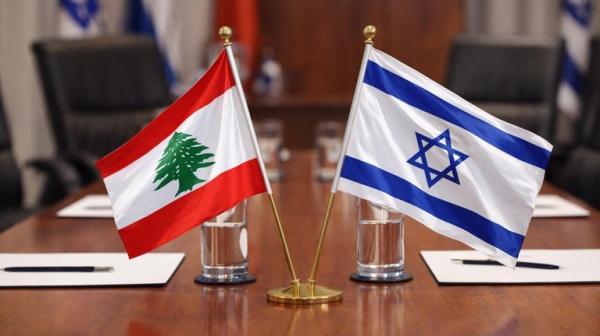
الخارجية الأمريكية: لبنان وإسرائيل اتفقا على إطلاق مفاوضات مباشرة
ما مقدار النوم الذي يحتاجه كبار السن؟
لماذا نشعر بالراحة عند كشف القدمين ليلا؟
اختفاء الفنانة فيروز يثير القلق .. ونقابة الموسيقيين بلبنان: لا نمتلك أي تفاصيل
تحذير من احتيال إلكتروني يهدد بسرقة بيانات مستخدمي "آيفون" حول العالم
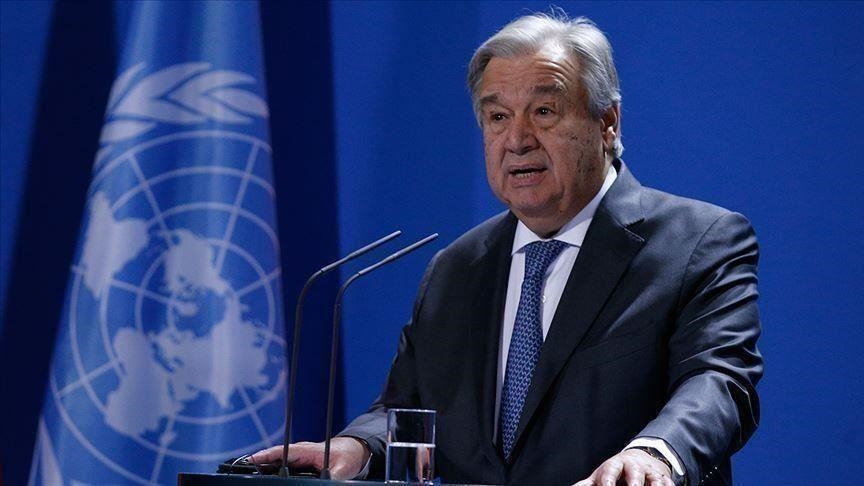
غوتيريش يطالب بمفاوضات اميركية ايرانية جادة واحترام القانون الدولي
عطية يلتقي رئيسي المجلس الوطني الاتحادي الإماراتي والنواب البحريني
الحاج عادل مخلص المحتسب ( ابو ابراهيم ) في ذمة الله
حُراس الذاكرة وأرض الأنبياء والصحابة: تأملات من رحاب أم قيس
حبول رئيسا لنقابة أصحاب صالونات الرجال
قرارات لمجلس الوزراء تتعلَّق بتحديث القطاع العام وتحسين الخدمات المقدَّمة للمواطنين ودعم السياحة
منطلقات لفهم المشروع الإيراني
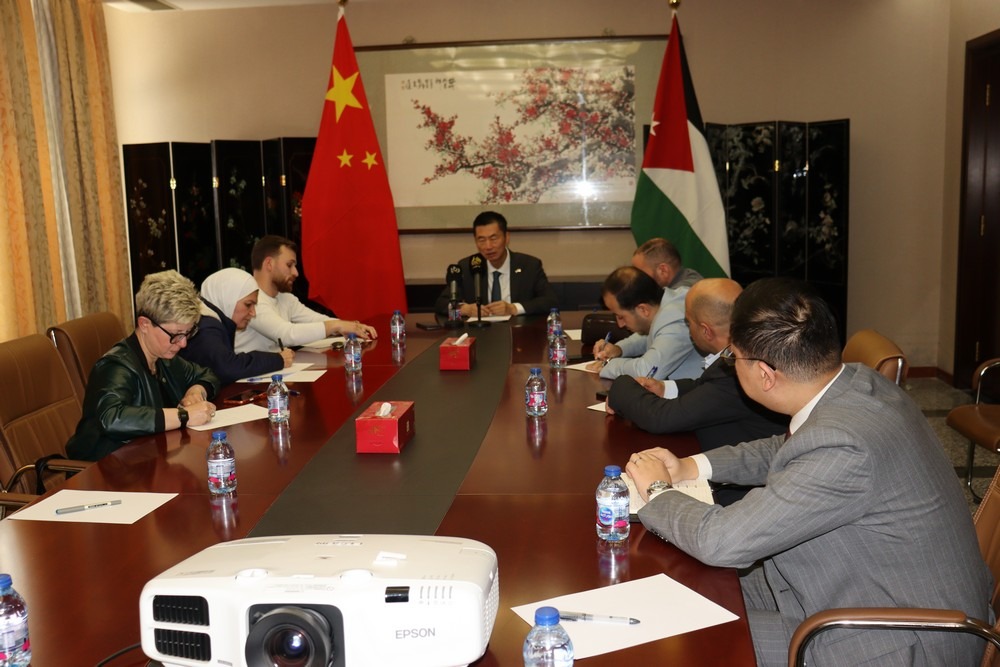
السفير الصيني: اعتداء ايران على المنشأت الاردنية غير مبررة
لماذا يَنكسر القِنديل؟
طوفان نوح الرّقمي: هل تتحول الأسر إلى ممالك نحل استثمارية؟
"الخارجية" وبنك الأردن يوقعان اتفاقية لتعزيز الخدمات المالية للبعثات الدبلوماسية
أورنج الأردن ترعى جلسة حوارية لمنتدى الاستراتيجيات الأردني
الجامعة الأردنية تقود رؤية التحول نحو استدامة بيئية واقتصادية
عبده مشتهي، شهبندر تجّار الإعاقة
العيسوي: توجيهات الملك تعزّز توازن الأردن بين متطلبات الاستقرار ودوره الإقليمي

In a coordinated effort, the United States and Israel are conducting joint military operations against Iran, according to a high-ranking source quoted in the Israeli newspaper Maariv.
The operations are being overseen by a joint command to ensure seamless coordination and prevent any conflict between their air forces. The division of labor is both geographical and tactical, with Israel initiating the conflict by carrying out targeted assassinations in Tehran, followed by a broader offensive led by the U.S.
Following the initial assassinations, Israel has focused its airstrikes on Tehran and western Iran, while the U.S. military is concentrating on southern Iran, the Iranian naval fleet, and ballistic missile and drone production facilities.
According to the source, the military strategy began with strikes aimed at sowing confusion within the Iranian leadership and undermining their confidence. These strikes included targeted killings and the destruction of missile launch batteries, weapons depots, and drone factories.
Israeli reports indicate a substantial level of U.S. involvement in the military operations, despite efforts to downplay it. Within the first 36 hours of the conflict, Israel reportedly conducted 2,000 airstrikes, while the U.S. carried out 1,500.
The Israeli military has been releasing detailed reports on its operations, while the U.S. military has largely deferred public statements to President Donald Trump, creating an impression of more limited U.S. engagement.
The source emphasized that these initial strikes have achieved significant air superiority over Iran, adding that in just a few days, the skies over Iran could be clear, enabling Israeli and U.S. aircraft to operate with complete freedom.
The F-22 fighter jet has proven particularly effective, reinforcing the U.S. decision to restrict its sale to foreign militaries and limit its operation to American crews.
The Israeli official declined to comment on reports of disagreements between the two governments regarding the duration of the conflict. While the U.S. administration is reportedly seeking a swift resolution, Netanyahu is said to favor a prolonged and expanded campaign. Trump views the conflict as a political tool to pressure Iran into accepting U.S. terms for a new nuclear agreement.
These terms include the complete abandonment of Iran's military nuclear program, the disposal of uranium enriched to 60 percent, the implementation of a mechanism to reduce enrichment levels to 3.75 percent for civilian use, and a cessation of long-range ballistic missile production.
Netanyahu, however, sees the conflict as a historic opportunity to achieve his broader objectives. While the U.S. is reportedly aiming for a four-week campaign, Netanyahu allegedly seeks a longer conflict lasting several months to eliminate Iranian leaders and weapons, and to address Iran's regional influence.
Netanyahu presents this plan as a strategic necessity for Israel, the West, and the U.S., critics suggest that his primary goal is to solidify his position in power, obstruct his ongoing corruption trial, and prevent the formation of an official inquiry into the failures surrounding the October 7, 2023 attacks.
He fears that such an inquiry could lead to recommendations for his prosecution on charges of prolonging the Gaza conflict unnecessarily, holding him responsible for the deaths of Israeli hostages and soldiers.