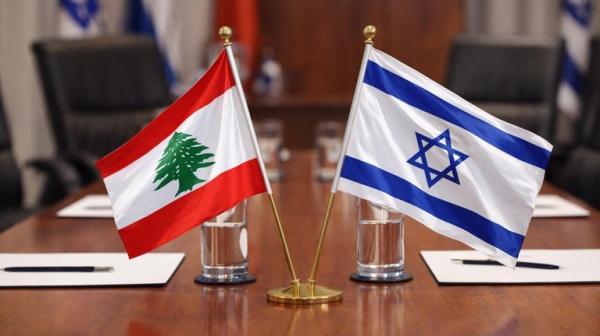
 الخارجية الأمريكية: لبنان وإسرائيل اتفقا على إطلاق مفاوضات مباشرة
ما مقدار النوم الذي يحتاجه كبار السن؟
لماذا نشعر بالراحة عند كشف القدمين ليلا؟
اختفاء الفنانة فيروز يثير القلق .. ونقابة الموسيقيين بلبنان: لا نمتلك أي تفاصيل
تحذير من احتيال إلكتروني يهدد بسرقة بيانات مستخدمي "آيفون" حول العالم
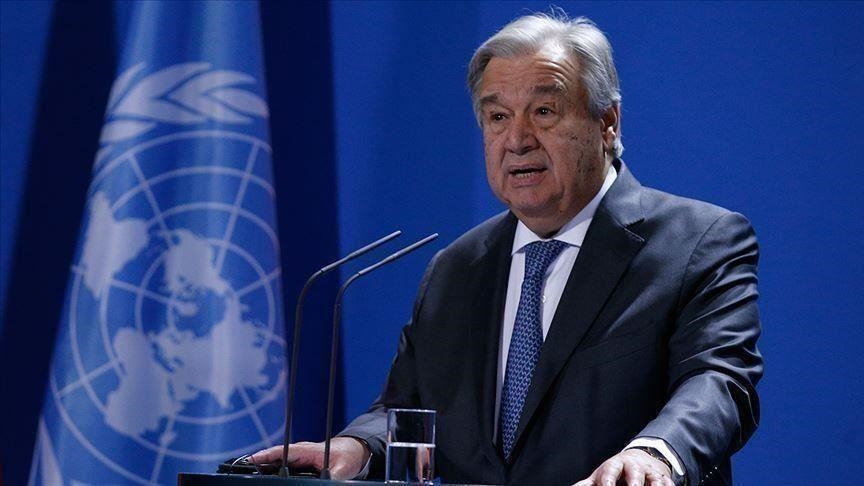
غوتيريش يطالب بمفاوضات اميركية ايرانية جادة واحترام القانون الدولي
عطية يلتقي رئيسي المجلس الوطني الاتحادي الإماراتي والنواب البحريني
الحاج عادل مخلص المحتسب ( ابو ابراهيم ) في ذمة الله
حُراس الذاكرة وأرض الأنبياء والصحابة: تأملات من رحاب أم قيس
حبول رئيسا لنقابة أصحاب صالونات الرجال
قرارات لمجلس الوزراء تتعلَّق بتحديث القطاع العام وتحسين الخدمات المقدَّمة للمواطنين ودعم السياحة
منطلقات لفهم المشروع الإيراني
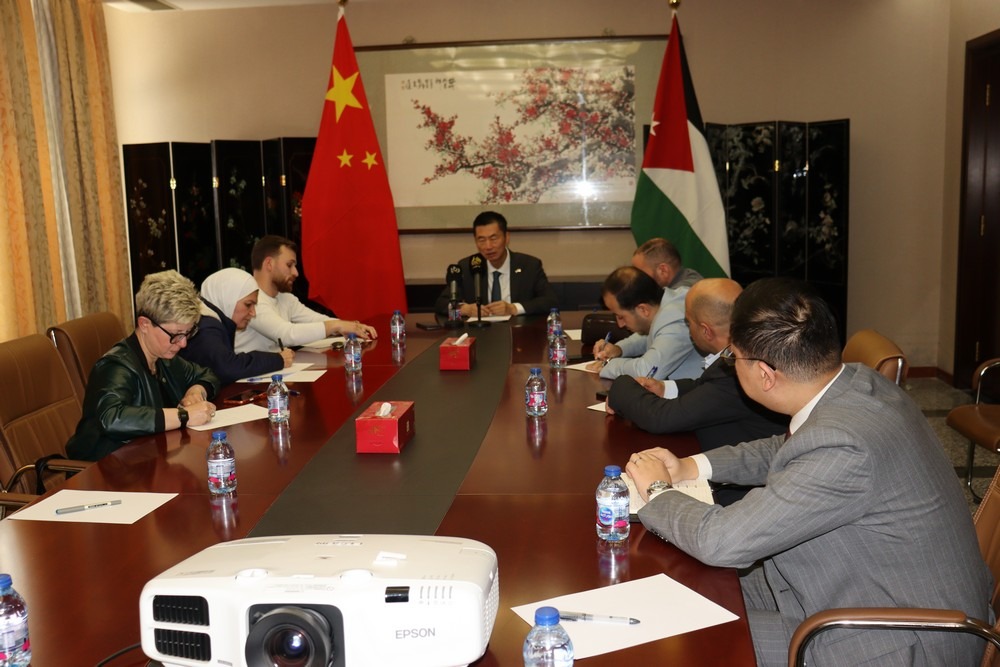
السفير الصيني: اعتداء ايران على المنشأت الاردنية غير مبررة
لماذا يَنكسر القِنديل؟
طوفان نوح الرّقمي: هل تتحول الأسر إلى ممالك نحل استثمارية؟
"الخارجية" وبنك الأردن يوقعان اتفاقية لتعزيز الخدمات المالية للبعثات الدبلوماسية
أورنج الأردن ترعى جلسة حوارية لمنتدى الاستراتيجيات الأردني
الجامعة الأردنية تقود رؤية التحول نحو استدامة بيئية واقتصادية
عبده مشتهي، شهبندر تجّار الإعاقة
العيسوي: توجيهات الملك تعزّز توازن الأردن بين متطلبات الاستقرار ودوره الإقليمي
الخارجية الأمريكية: لبنان وإسرائيل اتفقا على إطلاق مفاوضات مباشرة
ما مقدار النوم الذي يحتاجه كبار السن؟
لماذا نشعر بالراحة عند كشف القدمين ليلا؟
اختفاء الفنانة فيروز يثير القلق .. ونقابة الموسيقيين بلبنان: لا نمتلك أي تفاصيل
تحذير من احتيال إلكتروني يهدد بسرقة بيانات مستخدمي "آيفون" حول العالم
غوتيريش يطالب بمفاوضات اميركية ايرانية جادة واحترام القانون الدولي
عطية يلتقي رئيسي المجلس الوطني الاتحادي الإماراتي والنواب البحريني
الحاج عادل مخلص المحتسب ( ابو ابراهيم ) في ذمة الله
حُراس الذاكرة وأرض الأنبياء والصحابة: تأملات من رحاب أم قيس
حبول رئيسا لنقابة أصحاب صالونات الرجال
قرارات لمجلس الوزراء تتعلَّق بتحديث القطاع العام وتحسين الخدمات المقدَّمة للمواطنين ودعم السياحة
منطلقات لفهم المشروع الإيراني
السفير الصيني: اعتداء ايران على المنشأت الاردنية غير مبررة
لماذا يَنكسر القِنديل؟
طوفان نوح الرّقمي: هل تتحول الأسر إلى ممالك نحل استثمارية؟
"الخارجية" وبنك الأردن يوقعان اتفاقية لتعزيز الخدمات المالية للبعثات الدبلوماسية
أورنج الأردن ترعى جلسة حوارية لمنتدى الاستراتيجيات الأردني
الجامعة الأردنية تقود رؤية التحول نحو استدامة بيئية واقتصادية
عبده مشتهي، شهبندر تجّار الإعاقة
العيسوي: توجيهات الملك تعزّز توازن الأردن بين متطلبات الاستقرار ودوره الإقليمي
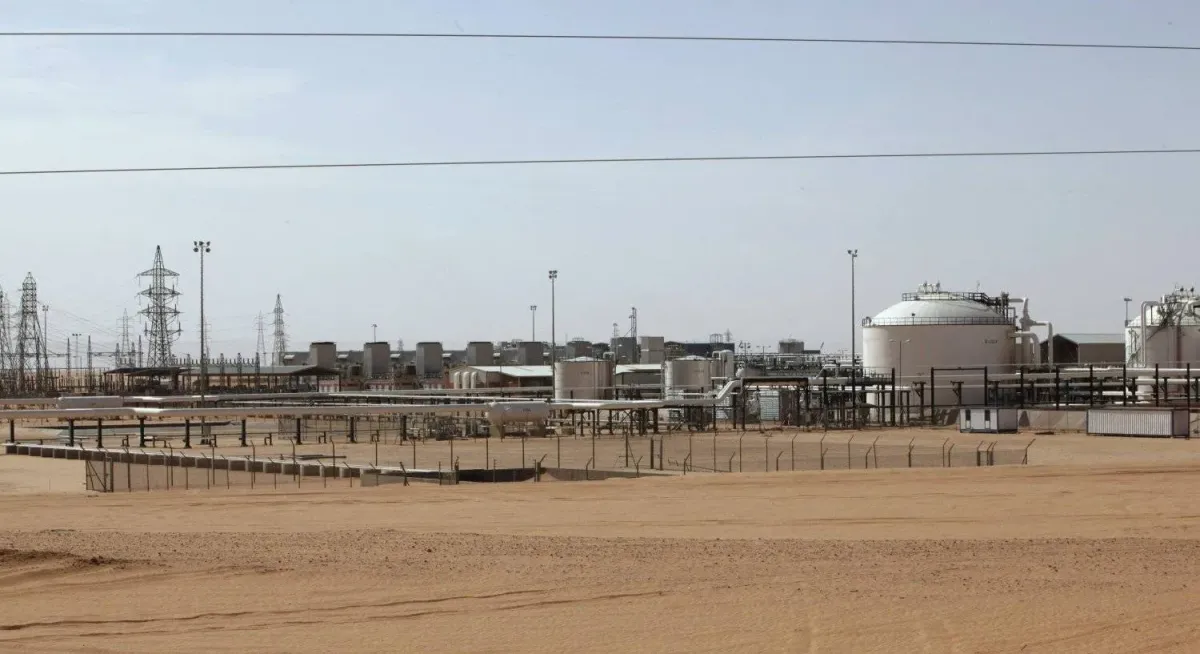
Libya's oil sector, the country's primary source of revenue, is facing growing uncertainty due to ongoing political divisions that have hindered the approval of a crucial operational budget for the National Oil Corporation (NOC).
The lack of an approved budget for 2025, coupled with limited allocations from the previous year, has raised concerns about the NOC's ability to sustain production and meet its operational needs. The previous budget only covered 25% of the NOC's total requirements.
Adding to the unease, NOC Chairman Masoud Suleiman recently urged company heads to implement cost-cutting measures to ensure the continuity of production. This call for austerity has fueled public anxiety, with many questioning why political factions cannot agree on a budget for the vital oil institution.
Former Libyan Oil Minister Mohamed Aoun attributed the crisis to mismanagement and increased spending, dismissing the budget shortfall as a mere pretext. He cited a 2024 audit report highlighting irregularities within the NOC, including the establishment of an unnecessary strategic programs office and a $19 million contract with a foreign company without evidence of completed work.
Aoun also noted that the interim Government of National Unity had provided the NOC with a special budget starting in 2022 to boost production to two million barrels per day, a target that remains unmet.
Meanwhile, Libya remains divided between the Government of National Unity, led by Abdul Hamid Dbeibeh in Tripoli, and a separate government backed by parliament, headed by Osama Hamad.
Concerns are mounting that prolonged austerity measures could lead to a decline in production, as they may affect the availability of spare parts, maintenance, and essential chemicals for oil and gas processing. This could ultimately impact production levels and the quality of extracted resources, according to Aoun.
Aoun also called for the immediate closure of the NOC's foreign offices, citing wasteful spending, and highlighted outstanding debts owed by NOC subsidiaries, in some cases exceeding two billion dinars, to catering, maintenance, and service companies.
In his address, the NOC chairman called for the suspension of purchasing and supply procedures until the budget is approved, with exceptions only for urgent cases directly related to production continuity or safety and environmental requirements.
These developments in the oil sector coincide with political stagnation and escalating economic pressures, including a record high dollar exchange rate in the parallel market, leading to increased prices for essential goods and added strain on citizens.
Oil expert Najib Al-Athram warned that political instability and liquidity pressures within the NOC could negatively impact Libya's image among foreign investors. He pointed to the recent bidding round for exploration blocks, which resulted in agreements for only five out of over 20 blocks offered, as evidence of investor caution due to political divisions, lack of oversight, and obstructed law enforcement.
Al-Athram advocated for budget allocations to be tied to specific projects and clear spending plans, citing the lack of tangible results from the Government of National Unity's extraordinary budget of over 50 billion dinars in recent years, which was intended to support production increases and infrastructure development.
Jalal Harchaoui, a researcher at the Royal United Services Institute, acknowledged that 2025 has been operationally sound for the oil sector, with no force majeure events, blockades of oil fields or ports, or work disruptions, which he credited to the NOC chairman. However, he emphasized the NOC's significant financial challenges, including a sharp increase in the salary bill and uncontrolled operating and maintenance expenses, with no agreement yet on a budget to realign spending.
Ali Al-Suwaih, a member of the High Council of State, attributed the lack of a unified budget to the failure of his council, parliament, and the presidential council to reach an agreement.
Al-Suwaih cautioned against a "vicious cycle," warning that austerity measures could reduce production, drive up the dollar exchange rate, and decrease revenues, potentially deepening the NOC's budget deficit and exacerbating the crisis. He criticized the lack of future planning and investment of oil revenues in diversifying the country's income sources.
According to NOC data, production in January reached 42.7 million barrels, with a daily average of approximately 1.377 million barrels.