 Milan-Cortina 2026 Olympic Winter Games: freestyle skiing women's freeski slopestyle qualification
Orange Jordan Sponsors Al Hussein Technical University’s "Leadathon"
The CEO of Orange Jordan Visits Yarmouk University President to Strengthen the Strategic Partnership
*Orange Jordan Showcases Fabrication Lab Innovations at the Makers’ Forum
3 Winners at Orange Summer Challenge 2024 Join the “Social Innovation” Journey Fostering "Tech4Impact”
Estarta Named Cisco Systems' Distinguished Supplier of the Year 2024
Milan-Cortina 2026 Olympic Winter Games: freestyle skiing women's freeski slopestyle qualification
Orange Jordan Sponsors Al Hussein Technical University’s "Leadathon"
The CEO of Orange Jordan Visits Yarmouk University President to Strengthen the Strategic Partnership
*Orange Jordan Showcases Fabrication Lab Innovations at the Makers’ Forum
3 Winners at Orange Summer Challenge 2024 Join the “Social Innovation” Journey Fostering "Tech4Impact”
Estarta Named Cisco Systems' Distinguished Supplier of the Year 2024
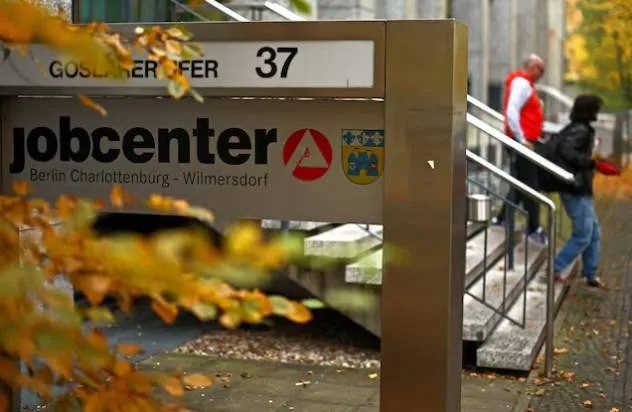
Germany's labor market continues to face challenges as unemployment remains above 3 million, according to a recent report from the German Federal Employment Agency. The figures underscore the ongoing impact of economic stagnation on Europe's largest economy.
The report indicates a mixed outlook, with no clear signs of a turning point and a potential for further gradual deterioration in the labor market.
The number of unemployed individuals totaled 3.07 million, a slight decrease from the previous month but an increase of 81,000 compared to the previous year. Seasonally adjusted figures show an increase of 1,000, reaching 2.977 million in February, slightly below analysts' expectations of a 2,000 increase. The seasonally adjusted unemployment rate remained steady at 6.3 percent, aligning with forecasts.
Andrea Nahles, head of the Federal Employment Agency, acknowledged the labor market's struggle to regain momentum, even after the winter holiday period.
The data reflects the difficulties faced by the government, which had pledged to stimulate growth following a period of economic contraction. Measures to boost infrastructure spending and defense have yet to make a tangible impact.
Analysts suggest that prolonged economic stagnation and structural challenges in the industrial sector have inevitably led to a decline in the labor market.
In other economic indicators, inflation has fallen below 2 percent in several German states, signaling a potential decrease in the national rate. This follows a slowdown in price growth across the Eurozone.
Real wages continue to recover, recording increases in recent years but remain below 2019 levels due to inflationary pressures following the COVID-19 pandemic and the Russia-Ukraine conflict, which impacted household purchasing power.