 Milan-Cortina 2026 Olympic Winter Games: freestyle skiing women's freeski slopestyle qualification
Orange Jordan Sponsors Al Hussein Technical University’s "Leadathon"
The CEO of Orange Jordan Visits Yarmouk University President to Strengthen the Strategic Partnership
*Orange Jordan Showcases Fabrication Lab Innovations at the Makers’ Forum
3 Winners at Orange Summer Challenge 2024 Join the “Social Innovation” Journey Fostering "Tech4Impact”
Estarta Named Cisco Systems' Distinguished Supplier of the Year 2024
Milan-Cortina 2026 Olympic Winter Games: freestyle skiing women's freeski slopestyle qualification
Orange Jordan Sponsors Al Hussein Technical University’s "Leadathon"
The CEO of Orange Jordan Visits Yarmouk University President to Strengthen the Strategic Partnership
*Orange Jordan Showcases Fabrication Lab Innovations at the Makers’ Forum
3 Winners at Orange Summer Challenge 2024 Join the “Social Innovation” Journey Fostering "Tech4Impact”
Estarta Named Cisco Systems' Distinguished Supplier of the Year 2024
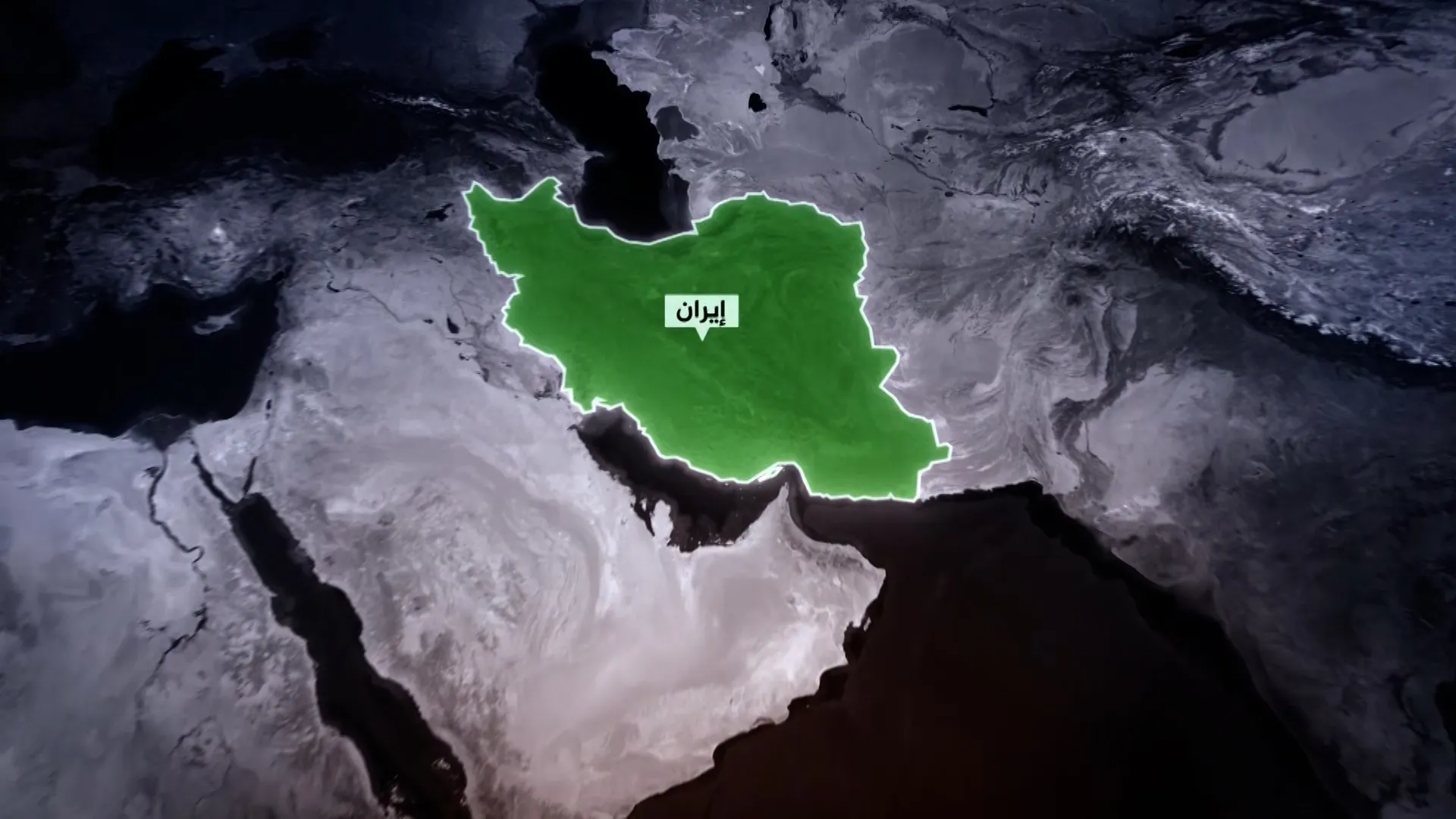
Global oil markets are on edge as Iranian oil loadings have reportedly reached multi-year highs, coinciding with a surge in maritime shipping costs to levels unseen in six years. This comes amid heightened geopolitical tensions between Tehran and Washington, casting a shadow over the stability of global energy supplies.
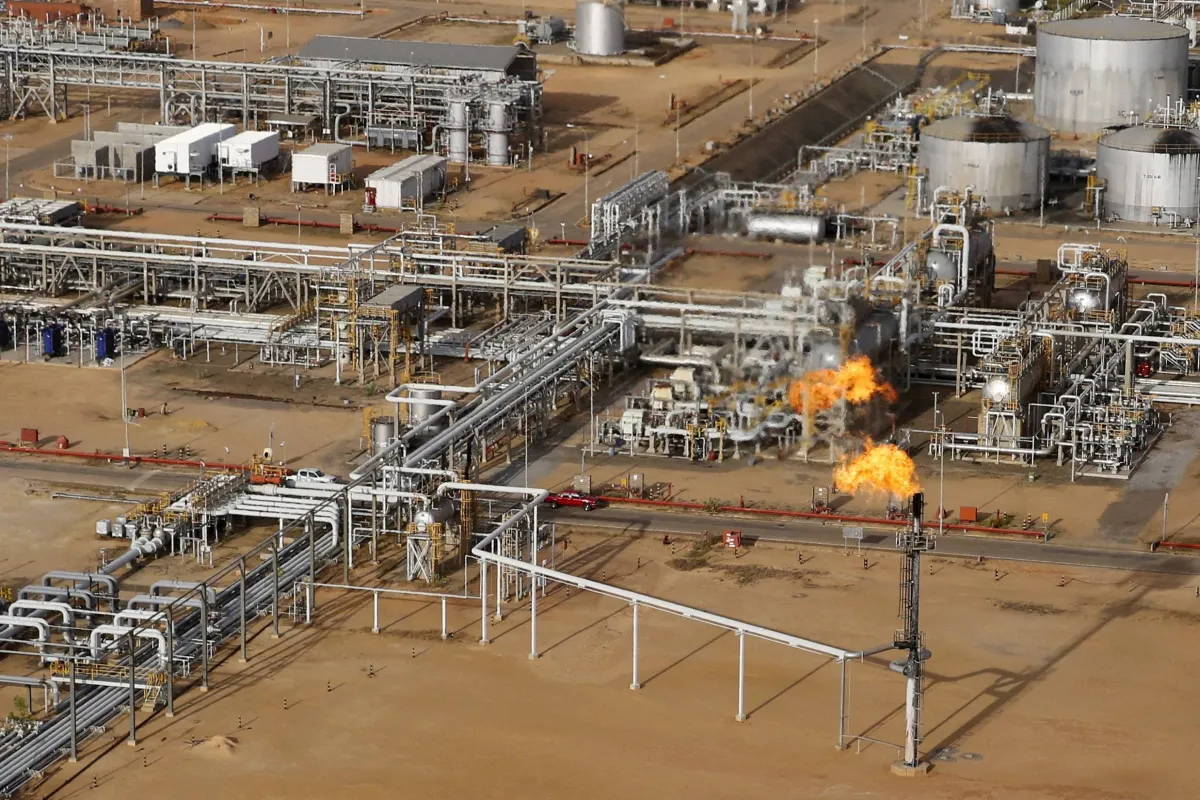
The central question remains: who is buying Iranian oil, and how are U.S. sanctions impacting the global supply-demand balance? Despite the sanctions, Iran continues to exert influence on the global market, producing approximately 3.3 million barrels per day, constituting roughly 3% of global oil supply. A significant portion of Iran's oil exports passes through tankers docked at the Kharg Island terminals, responsible for about 90% of Iranian oil exports.
China is a primary destination for Iranian oil, importing an estimated 90% of Iran's crude oil through independent refineries at discounted prices, utilizing what is known as a "shadow fleet" to transport shipments. According to data from Kepler, a cargo tracking company, these shipments reached approximately one million barrels per day.
While Iranian oil flows are significant, the primary concern for markets revolves around the Strait of Hormuz, a strategic chokepoint through which approximately 21 million barrels of crude oil and a quarter of the world's liquefied natural gas trade pass daily.
Disruptions to navigation in the Strait could destabilize global energy markets, particularly at a time when supplies are already facing disruptions from Venezuela, Russia, and Kazakhstan. This has driven maritime shipping rates for oil to six-year highs.
According to oil expert Amer Al-Shoubaki, these developments reflect geopolitical anxieties and anticipation surrounding nuclear negotiations between Iran and the United States. Al-Shoubaki noted that markets are being driven more by sentiment than by actual supply realities, given additional production from Saudi Arabia and Iran to cover any potential shortages. He believes the worst-case scenario remains the disruption of navigation in the Strait of Hormuz.
The outcome of U.S.-Iranian talks, whether leading to eased or tightened sanctions, will directly impact oil prices. However, additional production, particularly from OPEC+, may mitigate any immediate impact on the global supply-demand balance.
Diplomatic efforts between the United States and Iran have seen further progress, according to Iranian Foreign Minister Abbas Araqchi, following the conclusion of the third round of negotiations with Washington in Geneva. He stated that the talks concluded with mutual understanding.
Conversely, the United States, allegedly at the instigation of Israel, has been reinforcing its military presence in the Middle East for weeks, threatening military action against Iran to force it to abandon its nuclear and missile programs and its regional proxies.