 Milan-Cortina 2026 Olympic Winter Games: freestyle skiing women's freeski slopestyle qualification
Orange Jordan Sponsors Al Hussein Technical University’s "Leadathon"
The CEO of Orange Jordan Visits Yarmouk University President to Strengthen the Strategic Partnership
*Orange Jordan Showcases Fabrication Lab Innovations at the Makers’ Forum
3 Winners at Orange Summer Challenge 2024 Join the “Social Innovation” Journey Fostering "Tech4Impact”
Estarta Named Cisco Systems' Distinguished Supplier of the Year 2024
Milan-Cortina 2026 Olympic Winter Games: freestyle skiing women's freeski slopestyle qualification
Orange Jordan Sponsors Al Hussein Technical University’s "Leadathon"
The CEO of Orange Jordan Visits Yarmouk University President to Strengthen the Strategic Partnership
*Orange Jordan Showcases Fabrication Lab Innovations at the Makers’ Forum
3 Winners at Orange Summer Challenge 2024 Join the “Social Innovation” Journey Fostering "Tech4Impact”
Estarta Named Cisco Systems' Distinguished Supplier of the Year 2024
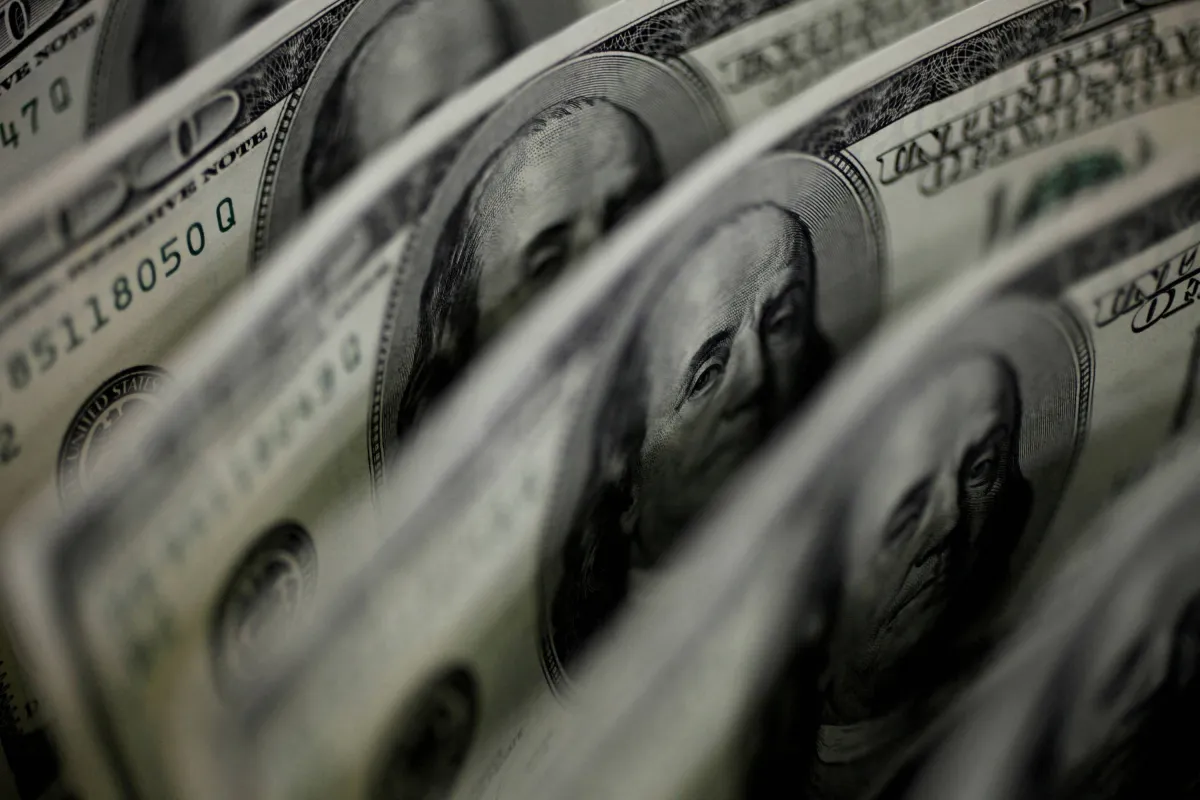
The U.S. dollar is poised to end the month with gains, propelled by escalating geopolitical tensions and shifts in central bank policies, while the yuan has paused its recent surge.
The dollar's strength comes as geopolitical risks rattle markets, prompting investors to seek safe-haven assets. Simultaneously, speculation around central bank interest rate decisions is influencing currency valuations.
Adding to global uncertainty, Pakistan has conducted strikes against targets linked to the Taliban government in Afghanistan, according to officials from both nations. Pakistan's defense minister characterized the situation as an "open war."
Meanwhile, discussions between U.S. and Iranian representatives regarding Iran's nuclear program have seen progress, though a breakthrough that would prevent potential U.S. military action remains elusive.
Currency markets have also reacted to signals from monetary policymakers. The U.S. Federal Reserve has hinted that interest rate cuts are not guaranteed, contributing to the dollar's upward trajectory. Many Fed officials have expressed willingness to consider further rate hikes if inflation persists.
The People's Bank of China (PBOC) has taken steps to moderate the yuan's appreciation, halting a 10-day rally. The central bank eliminated foreign exchange risk reserves for some forward contracts, a move seen as encouraging dollar purchases.
This intervention, coupled with a weaker-than-expected fixing of the yuan's exchange rate, led to a 0.2% decline in the onshore yuan to 6.8553 per dollar. Despite this pullback, the yuan remains up approximately 2% this year, following a more than 4% gain in 2023.
Elsewhere, the Australian dollar is on track for its fourth consecutive monthly gain, bolstered by expectations that the Reserve Bank of Australia will continue raising interest rates amid ongoing economic growth. The Aussie has risen 0.12% to $0.7115, marking a 6% year-to-date increase and making it the best-performing G10 currency.
In Japan, despite hints from Bank of Japan Governor Kazuo Ueda about a potential near-term interest rate hike, the yen has weakened throughout February. The dollar has risen nearly 0.9% to 156.17 yen.
Sterling has stabilized at $1.348, heading towards the end of a three-month winning streak, with a 1.4% monthly decline in February. The euro has remained steady at $1.18, facing a monthly loss of 0.4%.