 Milan-Cortina 2026 Olympic Winter Games: freestyle skiing women's freeski slopestyle qualification
Orange Jordan Sponsors Al Hussein Technical University’s "Leadathon"
The CEO of Orange Jordan Visits Yarmouk University President to Strengthen the Strategic Partnership
*Orange Jordan Showcases Fabrication Lab Innovations at the Makers’ Forum
3 Winners at Orange Summer Challenge 2024 Join the “Social Innovation” Journey Fostering "Tech4Impact”
Estarta Named Cisco Systems' Distinguished Supplier of the Year 2024
Milan-Cortina 2026 Olympic Winter Games: freestyle skiing women's freeski slopestyle qualification
Orange Jordan Sponsors Al Hussein Technical University’s "Leadathon"
The CEO of Orange Jordan Visits Yarmouk University President to Strengthen the Strategic Partnership
*Orange Jordan Showcases Fabrication Lab Innovations at the Makers’ Forum
3 Winners at Orange Summer Challenge 2024 Join the “Social Innovation” Journey Fostering "Tech4Impact”
Estarta Named Cisco Systems' Distinguished Supplier of the Year 2024
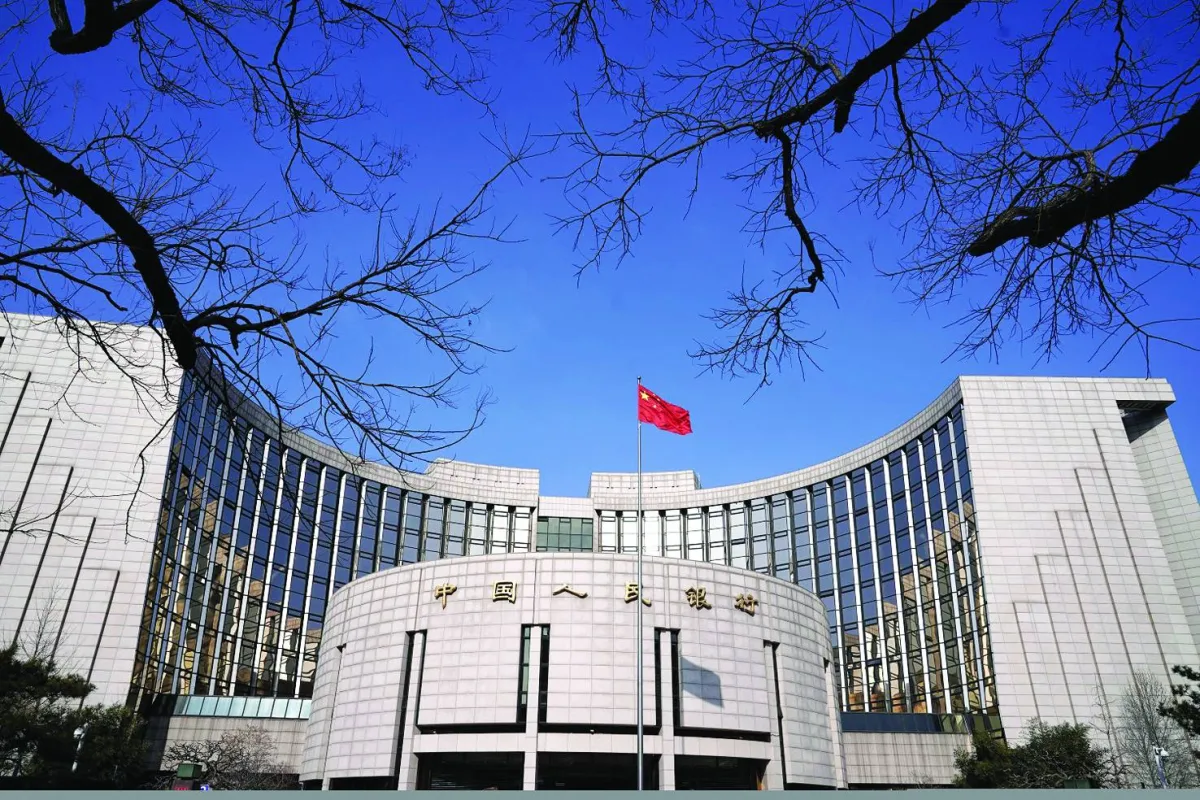
China's central bank has taken steps to temper the rapid appreciation of the yuan, a move that comes as exporters begin to feel the pinch of the currency's strength.
The People's Bank of China (PBOC) announced it would scrap a requirement for banks to hold reserves on some foreign exchange transactions, a move designed to encourage dollar buying.
The decision follows the yuan's recent surge to a near three-year high against the dollar, before it retreated on Friday. The currency has risen more than 7% against the dollar since April.
The PBOC will eliminate the 20% reserve requirement on forward foreign exchange contracts, effective March 2, pledging to keep the yuan's exchange rate at a “reasonable and balanced level.”
Analysts say the move is a signal that the central bank is concerned about the pace of the yuan's appreciation.
The central bank's action, coupled with a weaker-than-expected fixing of the currency's trading band, represents the strongest response to the months-long rally.
“This means the PBOC is stepping in because the yuan's appreciation is too fast,” said Yuan Tao, an analyst at Orient Futures. He added that the measure would only slow the yuan's rise, predicting the dollar would remain weak.
The move will make it less costly for market participants to bet against the yuan, according to Maybank analysts.
While a stronger yuan makes Chinese assets more attractive to foreigners and lowers the cost of imports, it negatively impacts Chinese exporters, who are largely paid in dollars.
Beijing Ultra Power Software, on Friday, attributed a 28% drop in its projected 2025 profits to the strong yuan, joining a growing list of affected companies.
The company said in its preliminary earnings statement that its revenue is mainly settled in dollars, hence the foreign exchange losses incurred as the dollar depreciated.
The PBOC's action comes amid a rush by exporters to sell dollars in both the spot and forward markets, while importers delay dollar purchases for payments.
This has resulted in net foreign exchange inflows of $79.9 billion in January, the third-largest inflow on record, according to official foreign exchange settlement data. This follows record inflows in December.
Liu Yang, General Manager of the financial market business department at Chisaing Group Development, said the PBOC's latest move would, in the near term, alleviate pent-up demand for dollar purchases via forwards, helping to balance supply and demand in the market.
However, he added that the moderate nature of the measures suggests that the PBOC does not see a significant risk of further yuan depreciation and still believes there is ample room for the currency to appreciate.
Last year, the yuan recorded its biggest annual gain against the dollar since 2020. The upward momentum has continued into the new year, with analysts forecasting another strong year for Chinese exports.
Chinese shippers have been able to find more buyers in markets outside the United States after Washington raised tariffs, helping to offset weak domestic demand that is weighing on the economy.
“The yuan has performed strongly even with the dollar largely stable, suggesting a strong market conviction that it is undervalued,” said Xu Tianchen, senior economist at the Economist Intelligence Unit.