 Milan-Cortina 2026 Olympic Winter Games: freestyle skiing women's freeski slopestyle qualification
Orange Jordan Sponsors Al Hussein Technical University’s "Leadathon"
The CEO of Orange Jordan Visits Yarmouk University President to Strengthen the Strategic Partnership
*Orange Jordan Showcases Fabrication Lab Innovations at the Makers’ Forum
3 Winners at Orange Summer Challenge 2024 Join the “Social Innovation” Journey Fostering "Tech4Impact”
Estarta Named Cisco Systems' Distinguished Supplier of the Year 2024
Milan-Cortina 2026 Olympic Winter Games: freestyle skiing women's freeski slopestyle qualification
Orange Jordan Sponsors Al Hussein Technical University’s "Leadathon"
The CEO of Orange Jordan Visits Yarmouk University President to Strengthen the Strategic Partnership
*Orange Jordan Showcases Fabrication Lab Innovations at the Makers’ Forum
3 Winners at Orange Summer Challenge 2024 Join the “Social Innovation” Journey Fostering "Tech4Impact”
Estarta Named Cisco Systems' Distinguished Supplier of the Year 2024
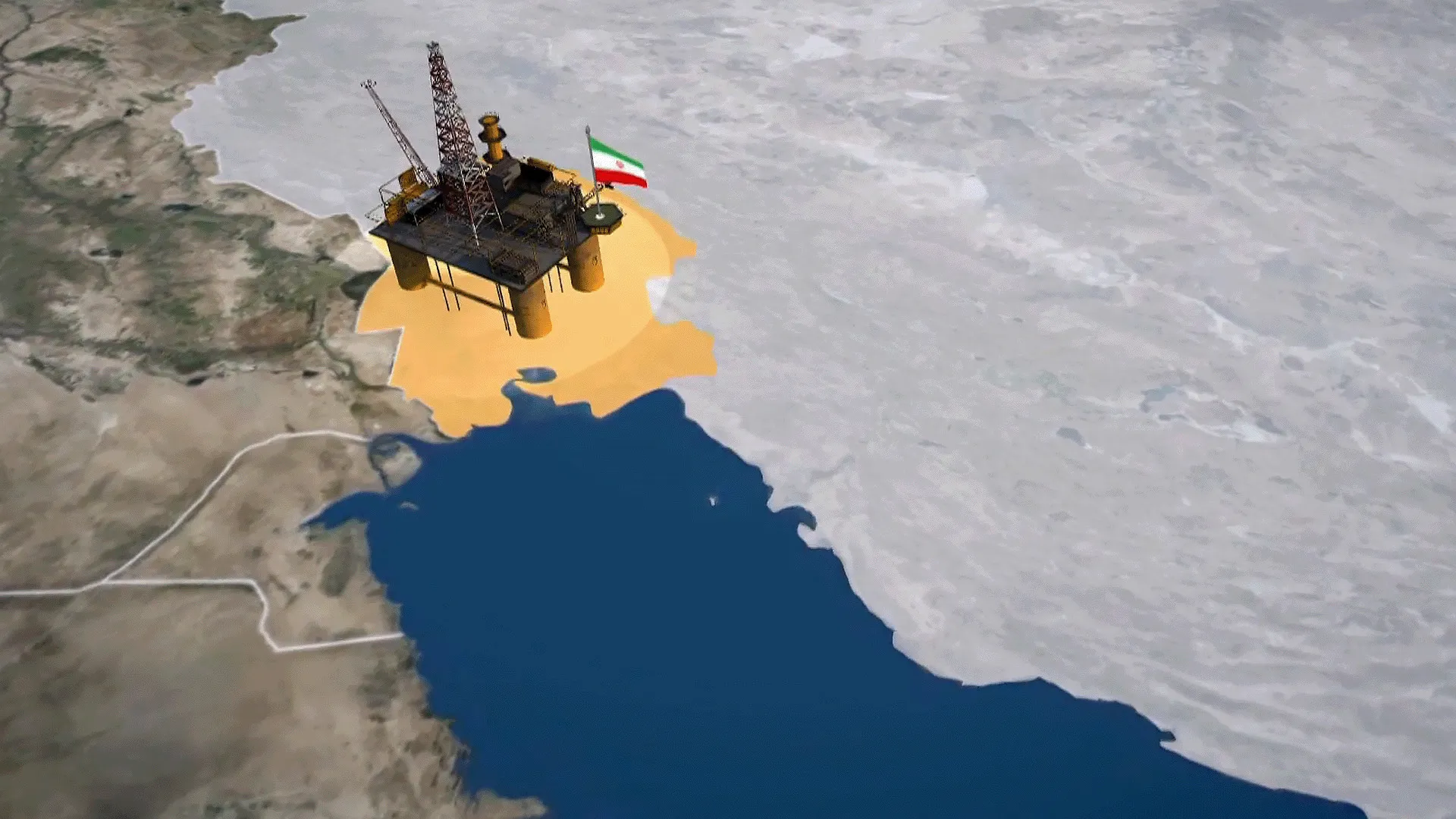
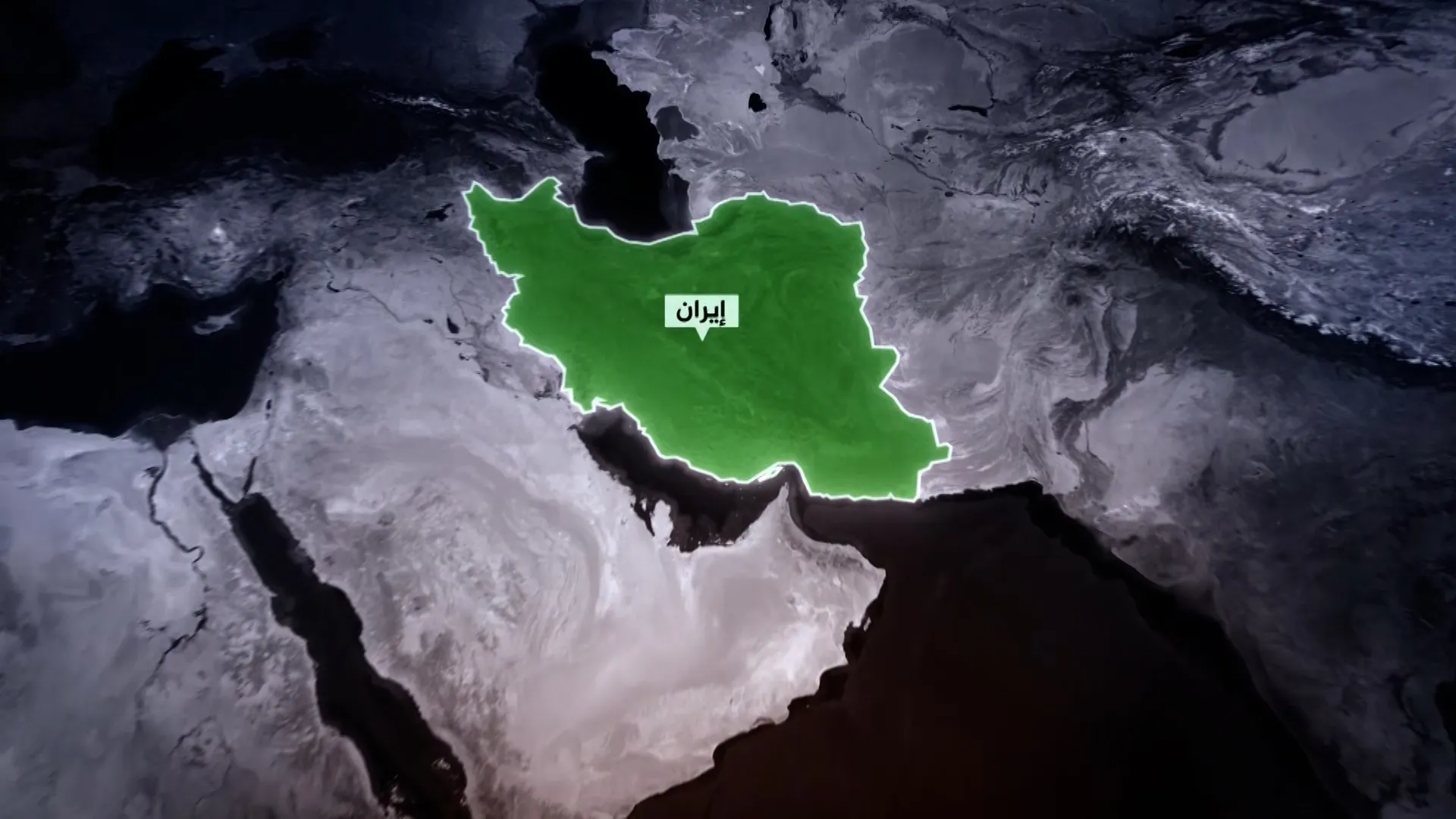
Iran faces significant hurdles in exporting its oil, despite possessing substantial production and refining capabilities, amid tightening U.S. sanctions targeting what Washington describes as a “shadow fleet” aiding Tehran in circumventing restrictions on oil sales.
The U.S. Treasury Department has imposed sanctions on numerous vessels and ship management companies, alleging their involvement in transporting hundreds of millions of dollars worth of Iranian products through deceptive shipping practices. The U.S. asserts it will continue to deprive the Iranian government of oil revenues used to fund military and weapons programs.
Iran's oil revenues reached $46 billion last year, according to data from the Organization of the Petroleum Exporting Countries (OPEC).
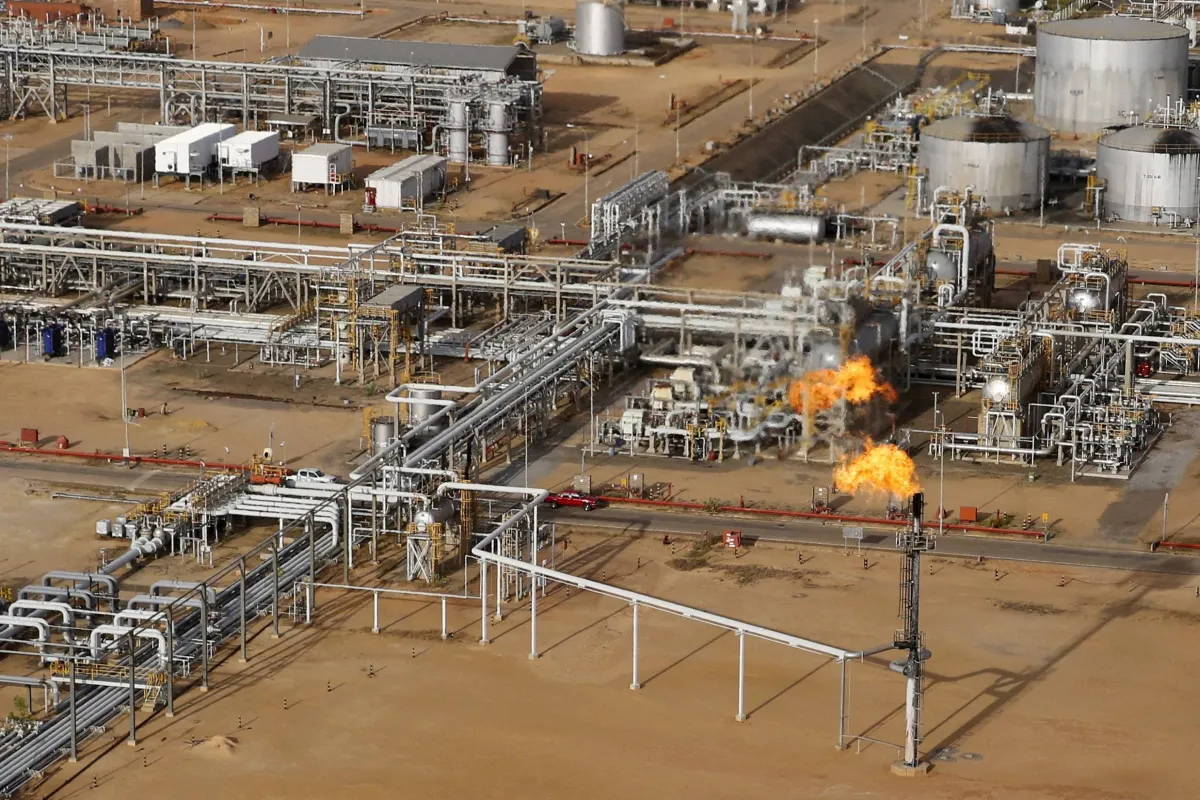
Iran's oil infrastructure includes several key facilities. The Ahvaz oil field is considered the third-largest in the world, with a production capacity of 750,000 barrels per day, according to Iran's oil ministry. The country's second-largest oil field, Gachsaran, produces 500,000 barrels per day. The Marun field, located in the Khuzestan province, also produces 500,000 barrels per day and has reserves of 46 billion barrels.
The Aghajari field, also in Khuzestan, is the fifth-largest in Iran, producing 200,000 barrels per day with estimated reserves of 28 billion barrels.
The Abadan refinery in Khuzestan processes 500,000 barrels per day from five regional oil fields, while the Isfahan refinery produces 375,000 barrels per day, and the Tehran refinery, supplied by three oil fields, produces 250,000 barrels per day.
Approximately 90% of Iran's crude oil exports are shipped through the Khark Island terminal in the Persian Gulf. The Bandar Abbas port handles exports of 600,000 barrels per day of refined oil. In addition to oil, Iran exports 30 million cubic meters of gas per day through the Asaluyeh port.
The “shadow fleet” reportedly comprises older vessels with obscured ownership, operating without comprehensive insurance coverage, and is used to transport sanctioned oil.