 مملكة البحرين تفعل المادة الثانية من اتفاقية التكامل الأمني والازدهار الشامل (C-SIPA) مع أمريكا وبريطانيا
7 أيام من الحرب.. تسلسل زمني لضربات متبادلة غيرت وجه المنطقة
مع تصاعد الحرب.. فرنسا ترسل حاملة مروحيات إلى المتوسط
إسرائيل وإيران وصراع الهيمنة على الشرق الأوسط
الاقتصاد في زمن الأزمات كيف تحافظ دول الخليج والأردن على الاستقرار ؟
شباب صينيون مستعربون: نخلات سامقات تثمر تعارفا وتقاربا تحت سماء الصداقة
سلامات للزميل بسام الرقاد
أجواء لطيفة اليوم وانخفاض طفيف على الحرارة خلال الأيام المقبلة
سكر الدم منتصف رمضان.. الجسم يتكيف ويحول الطاقة بذكاء
النظام الغذائي الغني بالدهون قد يزيد خطر أمراض الكبد
الامن العام :الدفاع المدني يخمد حريقاً شب في مستودع يحتوي على أخشاب في محافظة العاصمة
توقيع مذكرة تفاهم بين أبوغزاله وشركاه للاستشارات و MCC مينا الاستشارية لتعزيز استشارات الأمن الدوائي
الأمن: مقتل رجل طعنا على يد زوجته في عمّان
الملك لرئيس وزراء كندا: ضرورة ضبط النفس واستخدام الحوار لحل الأزمات
اغتيال الشخصية.. حين يتحول "التشويه" إلى سلاح لتقويض العمل العام
(وسائط متعددة) الصين تعتزم تطوير الاقتصاد الذكي وتعزيز التنمية الرقمية والذكية
(وسائط متعددة) تقرير: الصين تحقق إنجازات جديدة كبيرة خلال فترة 2021-2025
الأمن يكشف تفاصيل وفاة مسنّة على يد حفيدها بقصد السرقة
إغلاق جزئي وتحويلات مرورية في طبربور الجمعة
بيان صادر عن النائب طلال النسور حول مشروع تعديل قانون الضمان الاجتماعي
مملكة البحرين تفعل المادة الثانية من اتفاقية التكامل الأمني والازدهار الشامل (C-SIPA) مع أمريكا وبريطانيا
7 أيام من الحرب.. تسلسل زمني لضربات متبادلة غيرت وجه المنطقة
مع تصاعد الحرب.. فرنسا ترسل حاملة مروحيات إلى المتوسط
إسرائيل وإيران وصراع الهيمنة على الشرق الأوسط
الاقتصاد في زمن الأزمات كيف تحافظ دول الخليج والأردن على الاستقرار ؟
شباب صينيون مستعربون: نخلات سامقات تثمر تعارفا وتقاربا تحت سماء الصداقة
سلامات للزميل بسام الرقاد
أجواء لطيفة اليوم وانخفاض طفيف على الحرارة خلال الأيام المقبلة
سكر الدم منتصف رمضان.. الجسم يتكيف ويحول الطاقة بذكاء
النظام الغذائي الغني بالدهون قد يزيد خطر أمراض الكبد
الامن العام :الدفاع المدني يخمد حريقاً شب في مستودع يحتوي على أخشاب في محافظة العاصمة
توقيع مذكرة تفاهم بين أبوغزاله وشركاه للاستشارات و MCC مينا الاستشارية لتعزيز استشارات الأمن الدوائي
الأمن: مقتل رجل طعنا على يد زوجته في عمّان
الملك لرئيس وزراء كندا: ضرورة ضبط النفس واستخدام الحوار لحل الأزمات
اغتيال الشخصية.. حين يتحول "التشويه" إلى سلاح لتقويض العمل العام
(وسائط متعددة) الصين تعتزم تطوير الاقتصاد الذكي وتعزيز التنمية الرقمية والذكية
(وسائط متعددة) تقرير: الصين تحقق إنجازات جديدة كبيرة خلال فترة 2021-2025
الأمن يكشف تفاصيل وفاة مسنّة على يد حفيدها بقصد السرقة
إغلاق جزئي وتحويلات مرورية في طبربور الجمعة
بيان صادر عن النائب طلال النسور حول مشروع تعديل قانون الضمان الاجتماعي
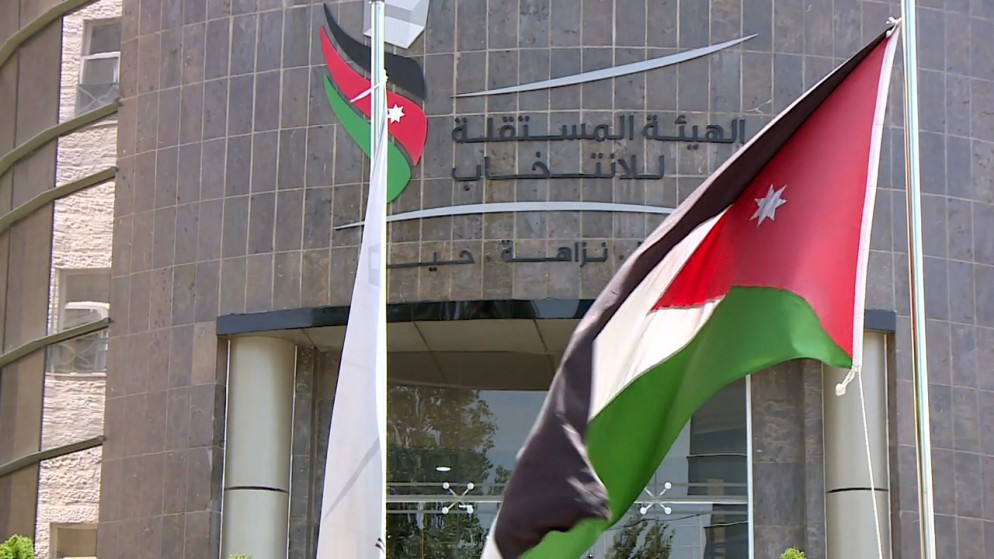
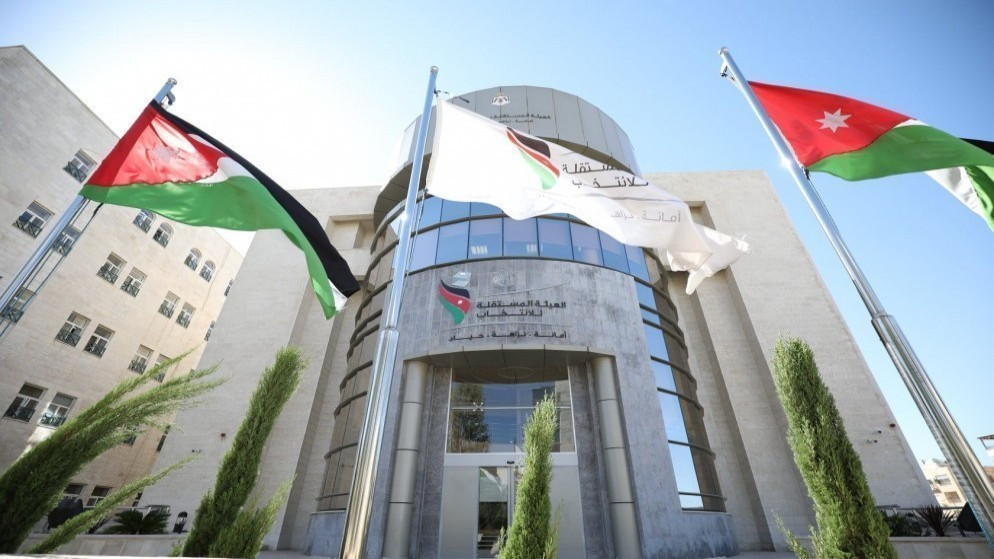
Jordan's Independent Election Commission (IEC) has put the Islamist Action Front Party and the Labor Party on notice for violations of the law, potentially jeopardizing their legal standing.
The IEC has formally notified both parties that they must rectify discrepancies in their foundational regulations to comply with the existing laws governing political parties.
According to IEC spokesperson Mohammad Khair al-Rawashdeh, the parties were contacted last week to align their fundamental statutes with good governance standards. While four parties complied, the Islamist Action Front and the Labor Party have failed to address documented violations communicated in writing.
Al-Rawashdeh stated that the Islamist Action Front Party has not provided the required amendments. The IEC maintains that the party is in violation of the law and must rectify the issues within 60 days, as stipulated by Article 33 of the Political Parties Law.
The Labor Party has formally refused to amend several violations within its fundamental statute, contravening the standards of good governance agreed upon with all parties last May, al-Rawashdeh added.
The violations recorded against the Islamist Action Front Party's fundamental statute extend beyond just the name, as it also includes articles that contradict democratic practices. These include the mechanism for forming party courts and the election of the executive office, which restricts choices to the secretary-general. There are also violations of Article 25/a of the law, which defines the sources and uses of the party's financial resources, and Article 7/k of the law, concerning the liquidation of party funds. The party's current regulations allow it to distribute its funds to charities in the event of liquidation, contrary to the law, which stipulates that such funds should go to the state treasury's party fund. The party has also failed to respond to several observations made by the IEC.
Regarding the Labor Party, al-Rawashdeh explained that the violations in the party's fundamental statute, which it has formally refused to amend, are directly related to the standards approved by the IEC for all political parties. These violations include granting the General Secretariat of the party the authority to issue penalties to its members outside the jurisdiction of the party court, as well as imposing appointments without any democratic practice, exceeding one-third of the party's central council, which represents its legislative authority. The party's fundamental statute also prohibits the right to appeal any decision issued by the party, except for dismissal, while granting any citizen from outside the party the right to file a complaint against members of the party, contrary to the jurisdiction of the party courts, which is limited to internal party matters.
Al-Rawashdeh emphasized that the IEC has not received the required amendments from either party. The additional deadline granted to the parties, following a series of communications that began in June of last year, has now passed. Consequently, both parties are deemed to be in violation of the Political Parties Law No. (7) of 2022 and must be notified to rectify the situation within 60 days, according to the IEC's decision.
Al-Rawashdeh affirmed the IEC's commitment to applying the Political Parties Law fairly, ensuring equal opportunities for all parties, and preserving the integrity of political competition, thereby entrenching the standards of justice as a general rule and preventing the monopolization of symbols or the employment of affiliations and attributes for one party to the exclusion of others.