 هل يحمي لقاح الإنفلونزا من ألزهايمر؟
سرّ بسيط لصحة القلب.. أطعمة تخفض الكوليسترول خلال أسابيع
تركيا تفرض إثبات "البطاقة الشخصية" لاستخدام مواقع التواصل الاجتماعي
جهاز استشعار روسي يقيس مستوى التوتر عبر الجلد
ربيع بلادي يغري بالرحلات !!
إيران ترفض الإنذار الجديد لترامب وتتوعد: "أبواب الجحيم ستُفتح لكم"
ترامب: أمام إيران 48 ساعة للتوصل إلى اتفاق وإلا ستتعرض لهجمات
الأرصاد : طقس بارد نسبيا مع فرصة لزخات مطر خلال الايام القادمة.
نقابة الصحفيين تكرم من أمضى 25 عاما والفائزين بجائزة الحسين للإبداع الصحفي 2024
"جلالةُ الملك ..السياسةٌ الـفذّة "
المومني لـ"الأنباط" لا نية للتحول إلى التعليم عن بُعد خلال هذه المرحلة
إنجاز أردني جديد بالريادة و البحث العملي و العلمي في الجراحات التجميلية و الترميمية و جراحة الفم و الوجه و العنق
حسين الجغبير يكتب : الأردن يتفوق بازماته دوماً
مسؤول: "إسرائيل " تستعد لمهاجمة منشآت طاقة إيرانية وتنتظر الضوء الأخضر من الولايات المتحدة
نهاية الرفاه…وبداية عصر القلق الاستراتيجي
معالي وزيرة التنمية الاجتماعية وفاء بني مصطفى
المومني: الأردن بقيادة الملك مواقفه ثابتة في حماية استقراره وعدم الانخراط في الصراعات
وفاة طفل وإصابة شقيقته بحادث غرق
إذهبوا إلى الحبشة فإن فيها منطقة حرة لا يظلم فيها أحد!!
مهرجان جرش السينمائي الدولي.. أفكار خارج الصندوق
هل يحمي لقاح الإنفلونزا من ألزهايمر؟
سرّ بسيط لصحة القلب.. أطعمة تخفض الكوليسترول خلال أسابيع
تركيا تفرض إثبات "البطاقة الشخصية" لاستخدام مواقع التواصل الاجتماعي
جهاز استشعار روسي يقيس مستوى التوتر عبر الجلد
ربيع بلادي يغري بالرحلات !!
إيران ترفض الإنذار الجديد لترامب وتتوعد: "أبواب الجحيم ستُفتح لكم"
ترامب: أمام إيران 48 ساعة للتوصل إلى اتفاق وإلا ستتعرض لهجمات
الأرصاد : طقس بارد نسبيا مع فرصة لزخات مطر خلال الايام القادمة.
نقابة الصحفيين تكرم من أمضى 25 عاما والفائزين بجائزة الحسين للإبداع الصحفي 2024
"جلالةُ الملك ..السياسةٌ الـفذّة "
المومني لـ"الأنباط" لا نية للتحول إلى التعليم عن بُعد خلال هذه المرحلة
إنجاز أردني جديد بالريادة و البحث العملي و العلمي في الجراحات التجميلية و الترميمية و جراحة الفم و الوجه و العنق
حسين الجغبير يكتب : الأردن يتفوق بازماته دوماً
مسؤول: "إسرائيل " تستعد لمهاجمة منشآت طاقة إيرانية وتنتظر الضوء الأخضر من الولايات المتحدة
نهاية الرفاه…وبداية عصر القلق الاستراتيجي
معالي وزيرة التنمية الاجتماعية وفاء بني مصطفى
المومني: الأردن بقيادة الملك مواقفه ثابتة في حماية استقراره وعدم الانخراط في الصراعات
وفاة طفل وإصابة شقيقته بحادث غرق
إذهبوا إلى الحبشة فإن فيها منطقة حرة لا يظلم فيها أحد!!
مهرجان جرش السينمائي الدولي.. أفكار خارج الصندوق
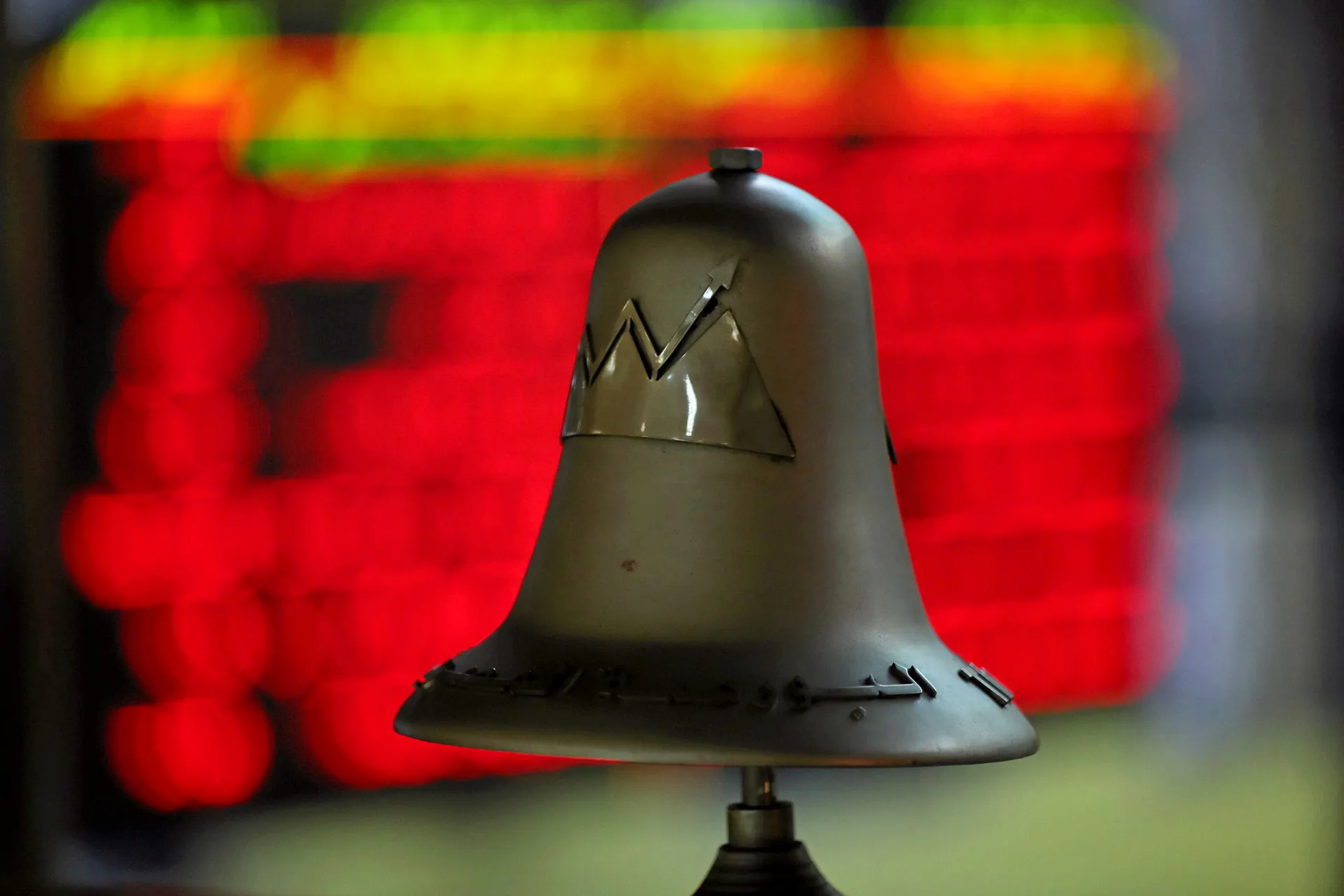
Middle Eastern stock markets plummeted following reports of a joint U.S.-Israeli attack on Iran, triggering trading halts and heightened investor anxiety across the region.
The uncertainty surrounding the geopolitical climate and potential disruptions to energy supplies have fueled a risk-off sentiment, prompting investors to reassess their positions.
The Egyptian Ministry of Petroleum and Mineral Resources stated it had taken proactive measures to secure the supply of natural gas and petroleum products to the domestic market after Israel reportedly halted gas exports to Egypt.
Trading in Kuwait has also been suspended until further notice, citing the exceptional circumstances prevailing in the region and the country. Iran had already announced the suspension of trading in its capital market on Saturday and Sunday.
According to financial analyst Mustafa Fahmi, Middle Eastern markets will remain sensitive to geopolitical tensions, fluctuating in response to escalations or de-escalations. He added that the lack of clarity would continue to influence investor decisions.
The main index of the Saudi Arabian stock market initially plunged by 4.6% before recovering slightly to a 2.3% loss at the time of reporting. Similarly, the main index of the Muscat market in Oman fell by 3% at the start of trading, later reducing its losses to 2%. Reports also indicated that the Duqm commercial port in Oman was targeted by two drones.
The benchmark index of the Egyptian Exchange experienced the most significant decline, falling by 5.44% before paring back some losses.
Qatar's stock exchange and financial institutions were closed Sunday for the country's Bank Day holiday.
Regional stock exchanges are particularly vulnerable to security events due to their close ties to the energy sector and the flow of oil and gas.
Concerns are mounting among investors that the ongoing tensions could disrupt supply chains, shipping operations, and capital flows into the region.