 عقيدة الدولة في زمن العواصف: أمنٌ شامل وسيادةٌ لا تُختبر وحدودٌ لا تُستباح.
الجيش الإسرائيلي ينذر بإخلاء مبان في حارة حريك بالضاحية الجنوبية لبيروت
“الشيوخ الأميركي” يدعم حملة ترامب على إيران ويمنع وقف الحرب
الأردن بيتٌ مفتوح للعابرين…مبادرة شعبية تتحول إلى رسالة وطن
بيان صادر عن النائب الدكتور سليمان الخرابشة
اجتماع “خليجي-أوروبي” طارئ لبحث “الاعتداءات الإيرانية”
تحت قبة البرلمان… الضمان بين مطرقة الاستدامة وسندان الشارع: جدل واسع بعد رفع الجلسة وإحالته للجنة
ضبابية تحيط بمشاركة إيران وسط توتر سياسي متصاعد
ارتفاع الأسهم الأميركية
الإمارات تعفي المتعذر سفرهم من غرامات تأخر المغادرة
إلقاء القبض على صاحب منشور طالب المواطنين بإخلاء منازلهم بالأزرق
مركز مستشفى الكندي لجراحة السمنة المكان الذي احدث الفرق في حياة مرضى السمنة ومنحهم مستقبل جديد
نقابة الصيادلة تطالب بحسم فوري لملف تنظيم توصيل الدواء وتحمل وزارة الصحة مسؤولية التأخير
الأرصاد الجوية : أجواء باردة ليلاً وارتفاع طفيف على الحرارة الجمعة يعقبه انخفاض تدريجي حتى الأحد.
الضمان الاجتماعي.. هل ننتظر تشريعاً "للحماية" أم "للجباية"؟
واشنطن تعرض على مواطنيها في الأردن المساعدة
الملكيه : الرحلات المتوجهه الى قطر والبحرين والكويت والعراق ودمشق معلقه حتى اشعار آخر
الجمعية الأردنية الأمريكية – ميشيغن تجسّد رسالة الأردن الخالدة في احتفالية رمضانية وطنية جامعة
القوات المسلحة الأردنية تنفي تعرض موقعها الإلكتروني لهجوم سيبراني
الصين تدعو لحماية المدنيين وضمان أمن الملاحة وتؤكد تمسكها بدور الوساطة في الشرق الأوسط
عقيدة الدولة في زمن العواصف: أمنٌ شامل وسيادةٌ لا تُختبر وحدودٌ لا تُستباح.
الجيش الإسرائيلي ينذر بإخلاء مبان في حارة حريك بالضاحية الجنوبية لبيروت
“الشيوخ الأميركي” يدعم حملة ترامب على إيران ويمنع وقف الحرب
الأردن بيتٌ مفتوح للعابرين…مبادرة شعبية تتحول إلى رسالة وطن
بيان صادر عن النائب الدكتور سليمان الخرابشة
اجتماع “خليجي-أوروبي” طارئ لبحث “الاعتداءات الإيرانية”
تحت قبة البرلمان… الضمان بين مطرقة الاستدامة وسندان الشارع: جدل واسع بعد رفع الجلسة وإحالته للجنة
ضبابية تحيط بمشاركة إيران وسط توتر سياسي متصاعد
ارتفاع الأسهم الأميركية
الإمارات تعفي المتعذر سفرهم من غرامات تأخر المغادرة
إلقاء القبض على صاحب منشور طالب المواطنين بإخلاء منازلهم بالأزرق
مركز مستشفى الكندي لجراحة السمنة المكان الذي احدث الفرق في حياة مرضى السمنة ومنحهم مستقبل جديد
نقابة الصيادلة تطالب بحسم فوري لملف تنظيم توصيل الدواء وتحمل وزارة الصحة مسؤولية التأخير
الأرصاد الجوية : أجواء باردة ليلاً وارتفاع طفيف على الحرارة الجمعة يعقبه انخفاض تدريجي حتى الأحد.
الضمان الاجتماعي.. هل ننتظر تشريعاً "للحماية" أم "للجباية"؟
واشنطن تعرض على مواطنيها في الأردن المساعدة
الملكيه : الرحلات المتوجهه الى قطر والبحرين والكويت والعراق ودمشق معلقه حتى اشعار آخر
الجمعية الأردنية الأمريكية – ميشيغن تجسّد رسالة الأردن الخالدة في احتفالية رمضانية وطنية جامعة
القوات المسلحة الأردنية تنفي تعرض موقعها الإلكتروني لهجوم سيبراني
الصين تدعو لحماية المدنيين وضمان أمن الملاحة وتؤكد تمسكها بدور الوساطة في الشرق الأوسط
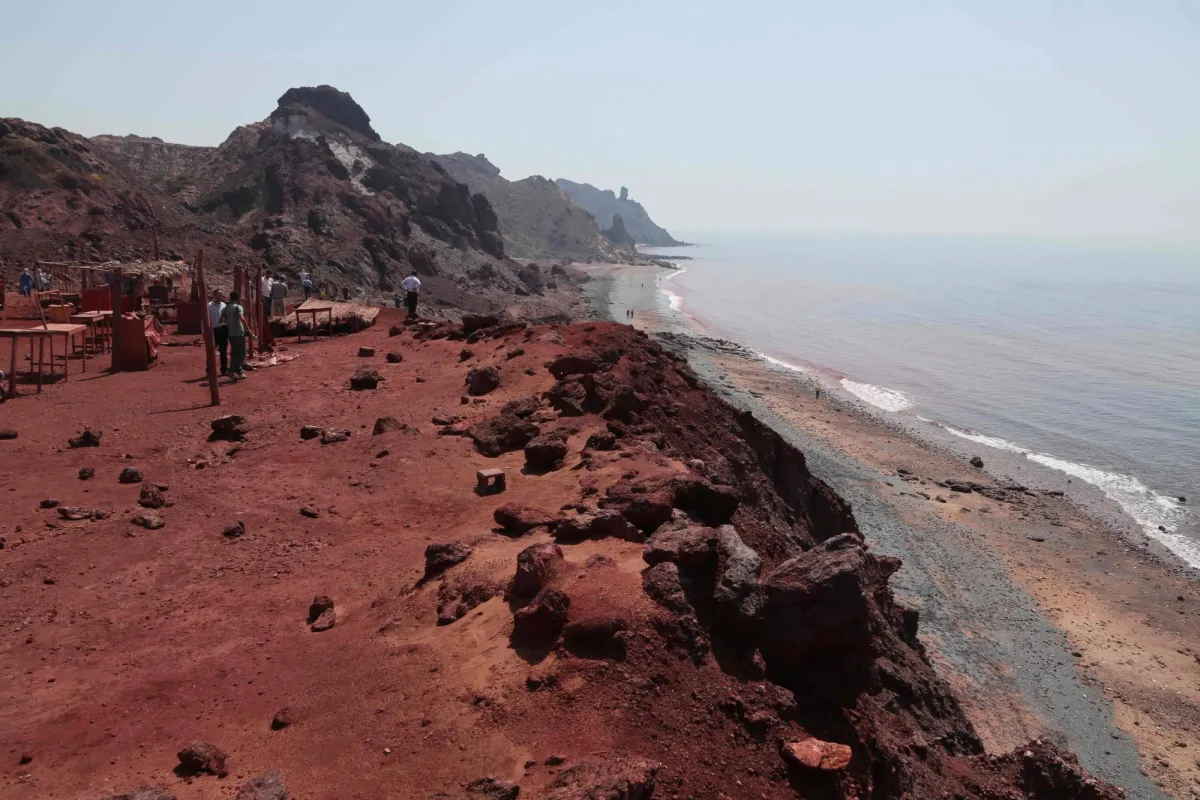
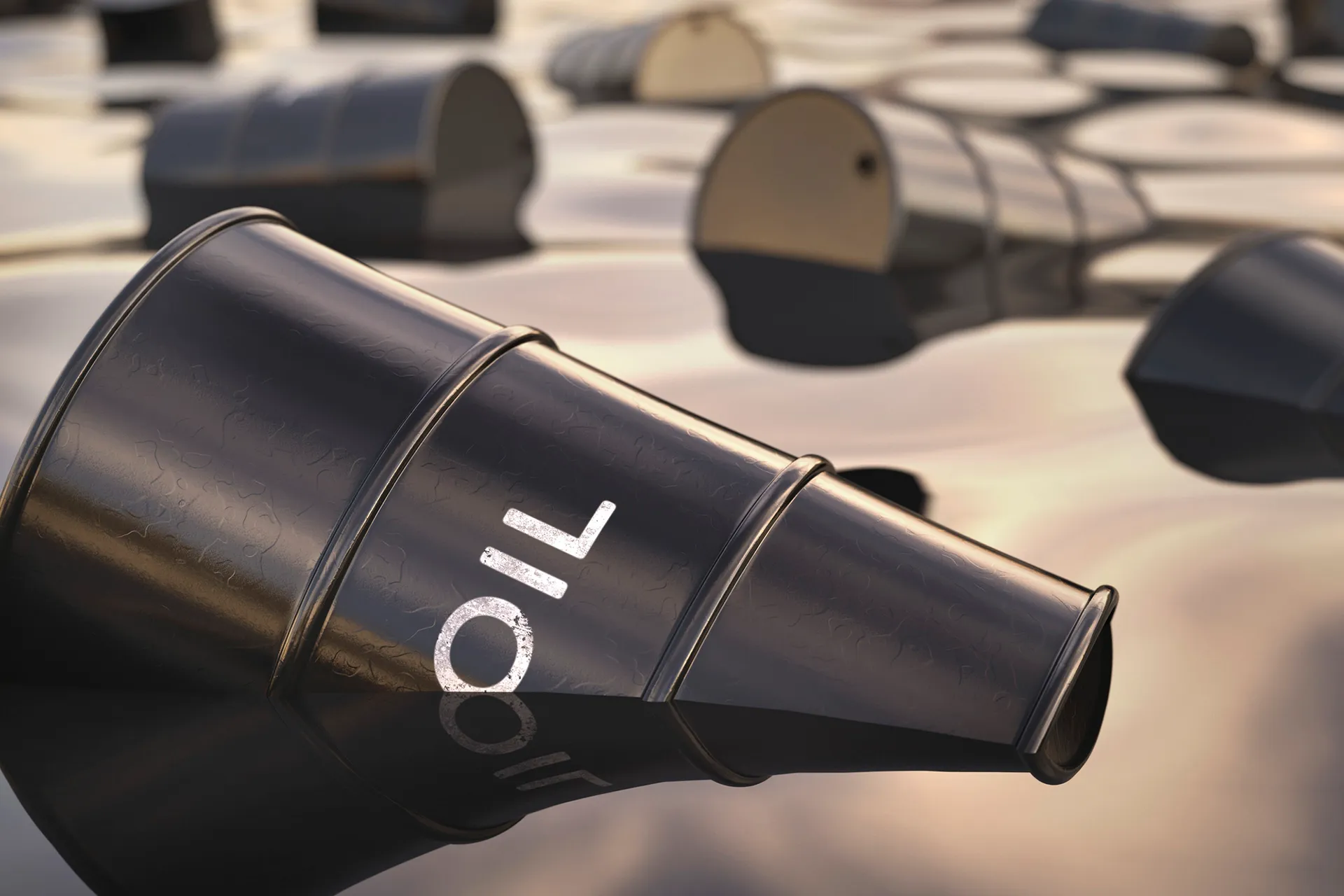
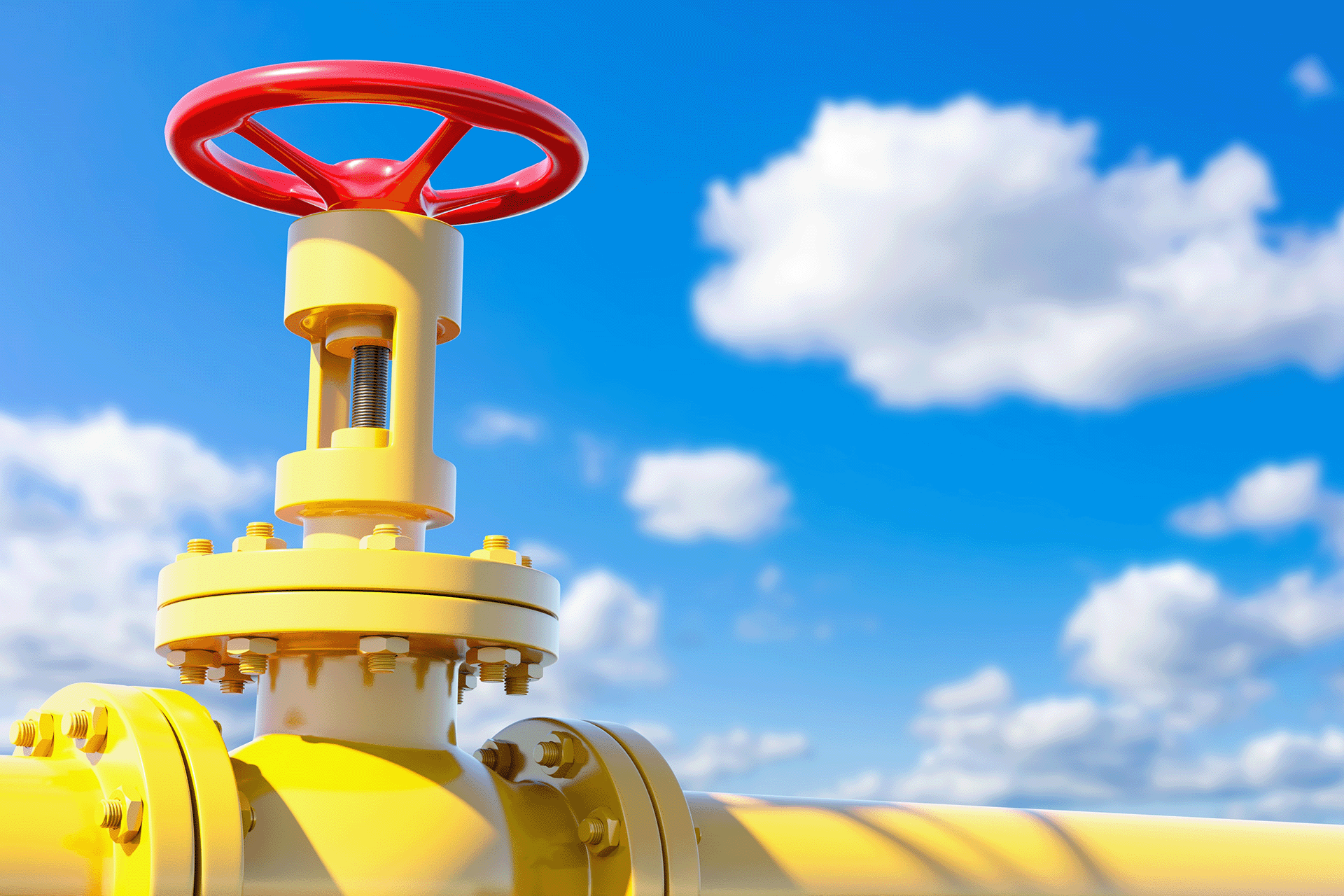
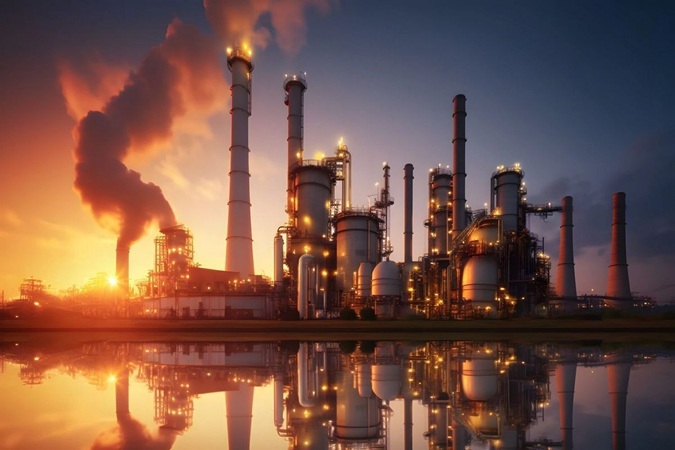
Heightened military tensions in the Middle East are sending shockwaves through global energy markets, as a confrontation between the United States and Israel on one side, and Iran on the other, effectively halts maritime traffic in the Strait of Hormuz, a crucial artery for global oil and gas supplies.
The disruption raises fears of a significant supply shock, with the potential to destabilize economies worldwide.
The standstill in the Strait of Hormuz, through which approximately one-fifth of the world's oil production and a similar proportion of liquefied natural gas (LNG) transit, has triggered concerns about the stability of energy supplies to Asia and Europe.
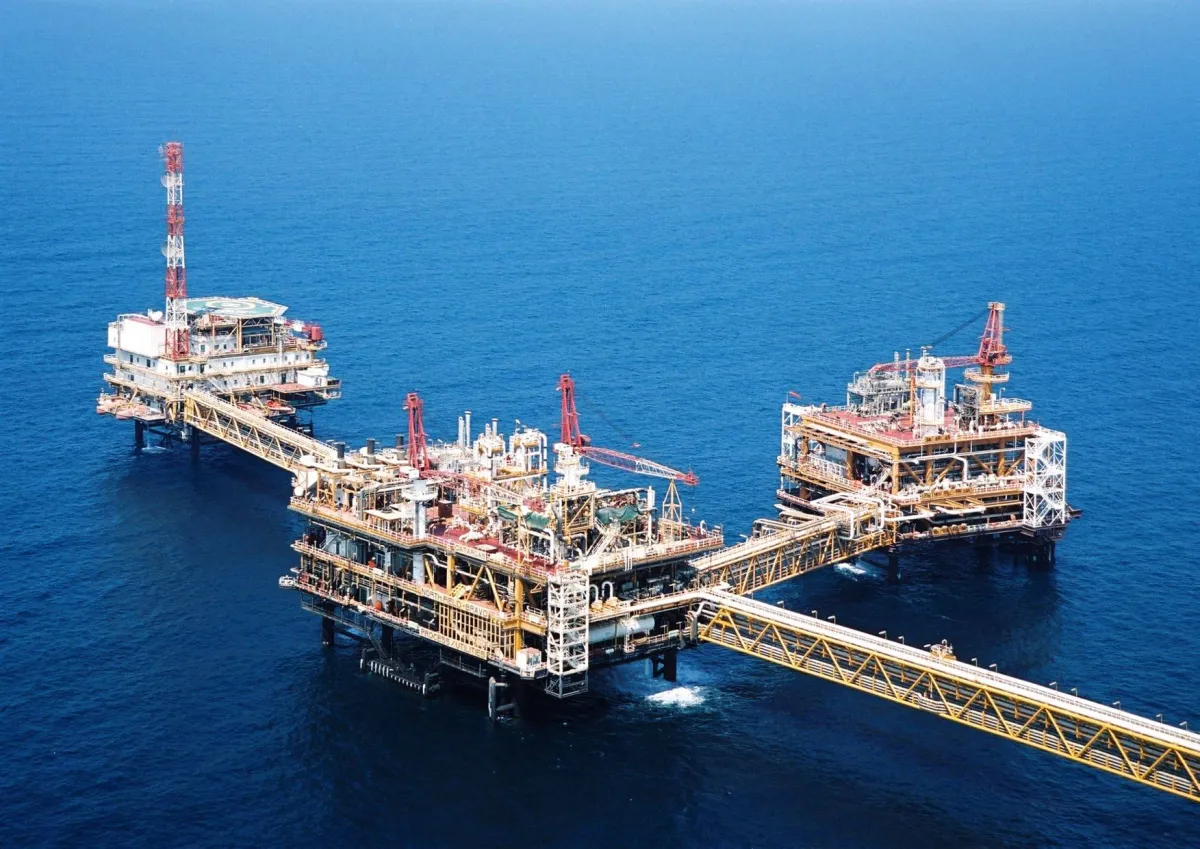
The impact extends beyond oil, with natural gas prices also surging. European markets experienced a sharp spike in gas prices after QatarEnergy announced the suspension of production and export operations, following reports of an attack on a gas processing facility.
Analysts at Citi Group have cautioned about prices stabilizing in the $80-$90 range, while Morgan Stanley has raised its second-quarter forecast to $80 per barrel. Wood Mackenzie warned that if the Strait remains closed, OPEC+ spare production capacity would become unavailable, potentially pushing prices above $100 a barrel.
S&P Global Platts, a specialist in oil price reports, announced the suspension of purchase and sale offers for refined product price assessments in the Middle East that cross the Strait of Hormuz due to shipping disruptions caused by the U.S.-Iranian conflict. The agency added that it is conducting a review of the crude oil pricing mechanism in the Middle East.
Insurance companies have reportedly begun canceling some insurance coverage for ships in the region, further exacerbating the crisis.
Asian countries, heavily reliant on Middle Eastern oil and gas, find themselves particularly exposed. Nations like Japan, South Korea, and India depend almost entirely on shipping lanes in the Middle East to secure their basic energy needs.
Governments in Asia are now assessing their strategic reserves. While Japan has reserves sufficient for approximately 250 days, and South Korea enjoys a similar position thanks to public and private sector reserves, these figures conceal a strategic concern: reserves are not a tool to compensate for long-term production, but rather a safety valve for short-term shocks.
The halt in LNG supplies from Qatar has sparked fierce competition between Asia and Europe for American and Australian gas shipments, tightening global supply and driving up energy costs for emerging Asian markets.
The surge in prices poses an immediate threat to the import bills of countries like India and some Southeast Asian nations, placing immense pressure on their balance of payments and potentially derailing economic growth ambitions for the current year.
Moreover, Asian refineries, among the world's largest, rely on heavy and medium Middle Eastern crude oil. Disruptions to these supplies could force them to reduce refining rates, leading to a severe shortage of refined fuels (diesel, gasoline, and jet fuel) within the continent itself, thereby impacting transportation and logistics sectors.
The speed at which oil tanker traffic returns to normal in the Strait of Hormuz is critical. JPMorgan estimates that a 25-day halt in tanker traffic would lead to full storage tanks in producing countries, forcing them to cut production.