 Milan-Cortina 2026 Olympic Winter Games: freestyle skiing women's freeski slopestyle qualification
Orange Jordan Sponsors Al Hussein Technical University’s "Leadathon"
The CEO of Orange Jordan Visits Yarmouk University President to Strengthen the Strategic Partnership
*Orange Jordan Showcases Fabrication Lab Innovations at the Makers’ Forum
3 Winners at Orange Summer Challenge 2024 Join the “Social Innovation” Journey Fostering "Tech4Impact”
Estarta Named Cisco Systems' Distinguished Supplier of the Year 2024
Milan-Cortina 2026 Olympic Winter Games: freestyle skiing women's freeski slopestyle qualification
Orange Jordan Sponsors Al Hussein Technical University’s "Leadathon"
The CEO of Orange Jordan Visits Yarmouk University President to Strengthen the Strategic Partnership
*Orange Jordan Showcases Fabrication Lab Innovations at the Makers’ Forum
3 Winners at Orange Summer Challenge 2024 Join the “Social Innovation” Journey Fostering "Tech4Impact”
Estarta Named Cisco Systems' Distinguished Supplier of the Year 2024
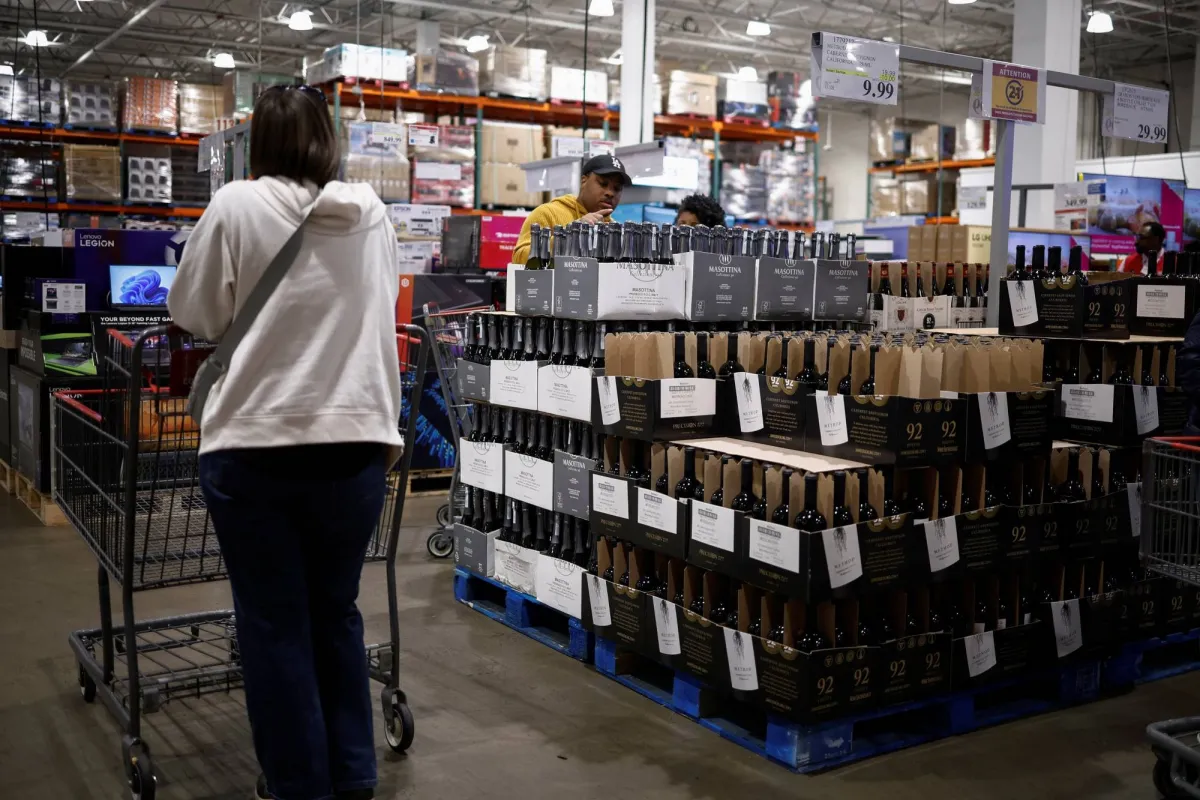
Wholesale prices in the United States have unexpectedly increased, signaling persistent inflationary pressures exceeding anticipated levels.
The Labor Department reported that the Producer Price Index (PPI), which tracks inflation at the production level before it reaches consumers, rose by 0.5% in the past month. On an annualized basis, the PPI increased 2.9%.
Economists' forecasts, according to a FactSet survey, had projected a monthly increase of 0.3% and an annual rise of about 1.6%. The actual figures surpassed these expectations, indicating a stronger inflationary trend than previously anticipated.
Excluding the volatile food and energy sectors, core wholesale prices climbed by 0.8% month-on-month and 3.6% year-on-year, also exceeding analysts' estimates. This suggests that underlying inflationary pressures are more robust than headline figures might indicate.
The increase was primarily driven by rising wholesale service prices, fueled by expanding profit margins among retailers and wholesalers. This indicates that businesses are passing on costs to consumers, contributing to the overall inflationary environment.
Conversely, energy prices experienced a decline, with wholesale gasoline prices falling by 5.5% compared to the prior month and a sharp 15.7% year-on-year. This decrease in energy costs provided some offset to the overall rise in wholesale prices.
The PPI report follows the Labor Department's announcement two weeks prior that consumer prices rose by just 2.4% year-on-year, approaching the Federal Reserve's 2% inflation target. The latest wholesale price data, however, casts doubt on the sustainability of this trend.
Wholesale prices are considered a leading indicator of consumer inflation trends. Economists closely monitor the PPI because some of its components, particularly healthcare and financial services indices, are factored into the Personal Consumption Expenditures (PCE) price index. The PCE is the Federal Reserve's preferred gauge for monitoring inflation.
Some economists have previously expressed concerns that tariffs imposed on imports could accelerate inflation. While the impact of these tariffs has been less than initially feared, inflation rates remain above the Federal Reserve's target, underscoring the ongoing challenge of achieving price stability.