 Milan-Cortina 2026 Olympic Winter Games: freestyle skiing women's freeski slopestyle qualification
Orange Jordan Sponsors Al Hussein Technical University’s "Leadathon"
The CEO of Orange Jordan Visits Yarmouk University President to Strengthen the Strategic Partnership
*Orange Jordan Showcases Fabrication Lab Innovations at the Makers’ Forum
3 Winners at Orange Summer Challenge 2024 Join the “Social Innovation” Journey Fostering "Tech4Impact”
Estarta Named Cisco Systems' Distinguished Supplier of the Year 2024
Milan-Cortina 2026 Olympic Winter Games: freestyle skiing women's freeski slopestyle qualification
Orange Jordan Sponsors Al Hussein Technical University’s "Leadathon"
The CEO of Orange Jordan Visits Yarmouk University President to Strengthen the Strategic Partnership
*Orange Jordan Showcases Fabrication Lab Innovations at the Makers’ Forum
3 Winners at Orange Summer Challenge 2024 Join the “Social Innovation” Journey Fostering "Tech4Impact”
Estarta Named Cisco Systems' Distinguished Supplier of the Year 2024
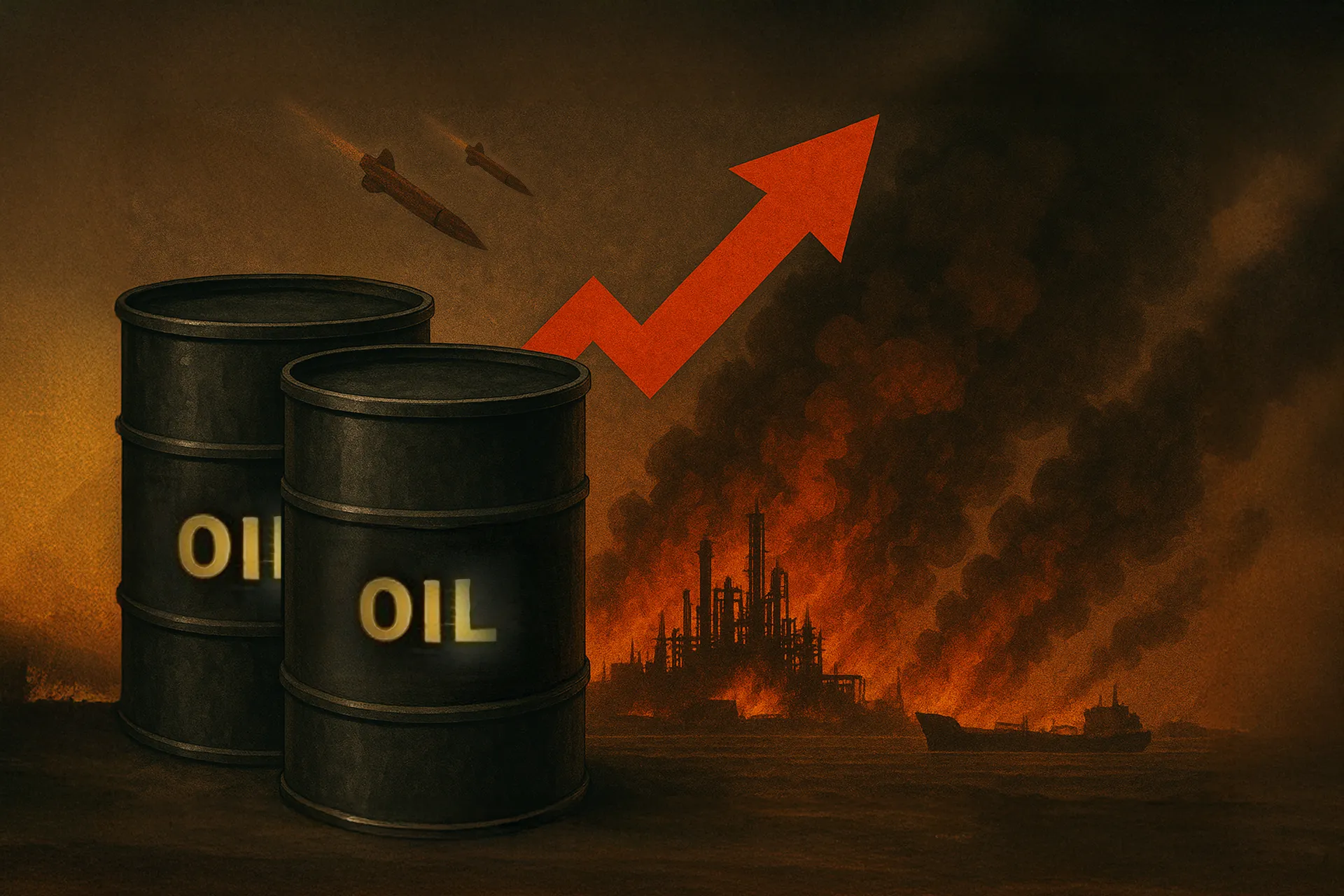
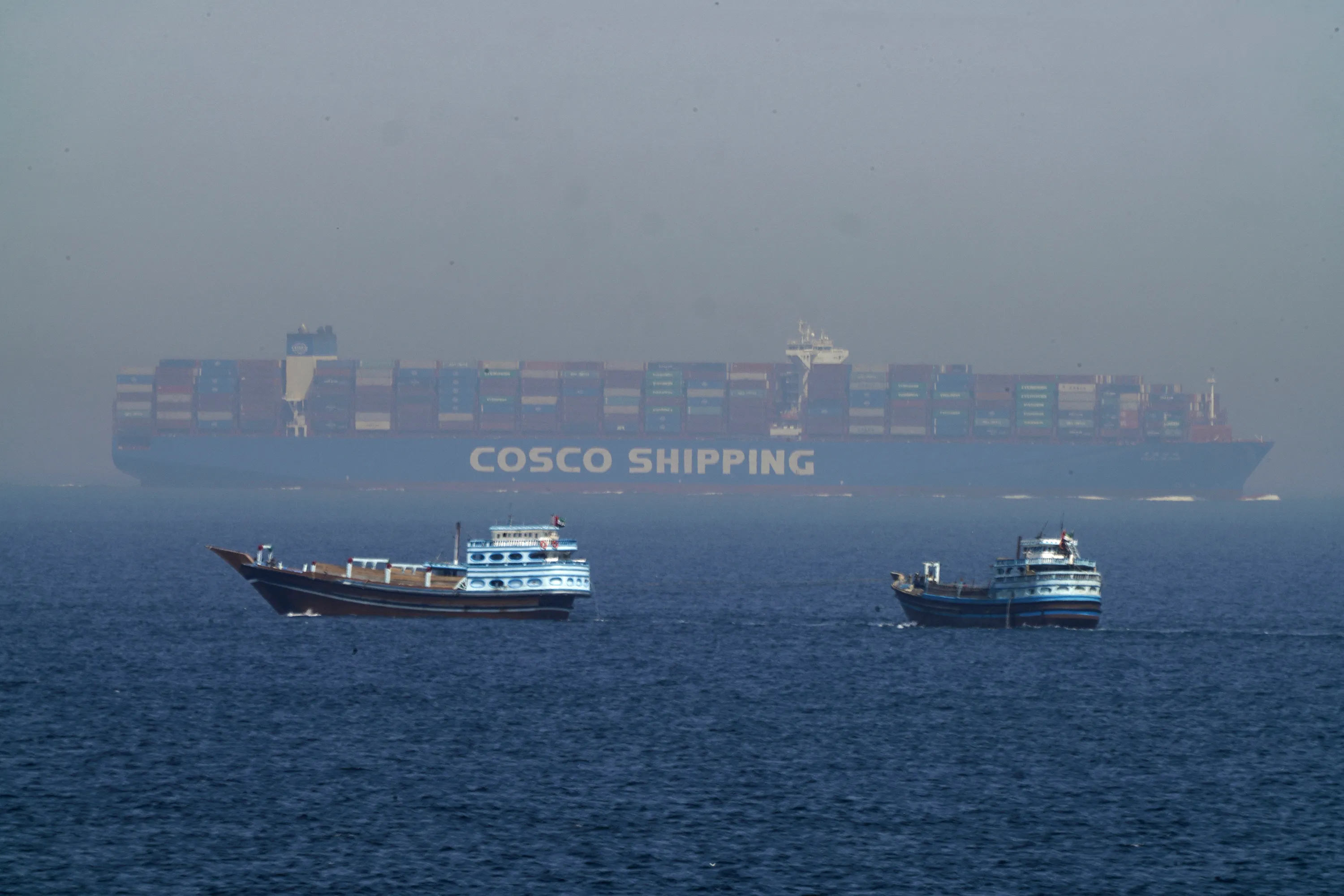
Oil prices have spiked, and shipping companies are pausing transits through the Strait of Hormuz following attacks on oil tankers and escalating tensions in the Middle East.
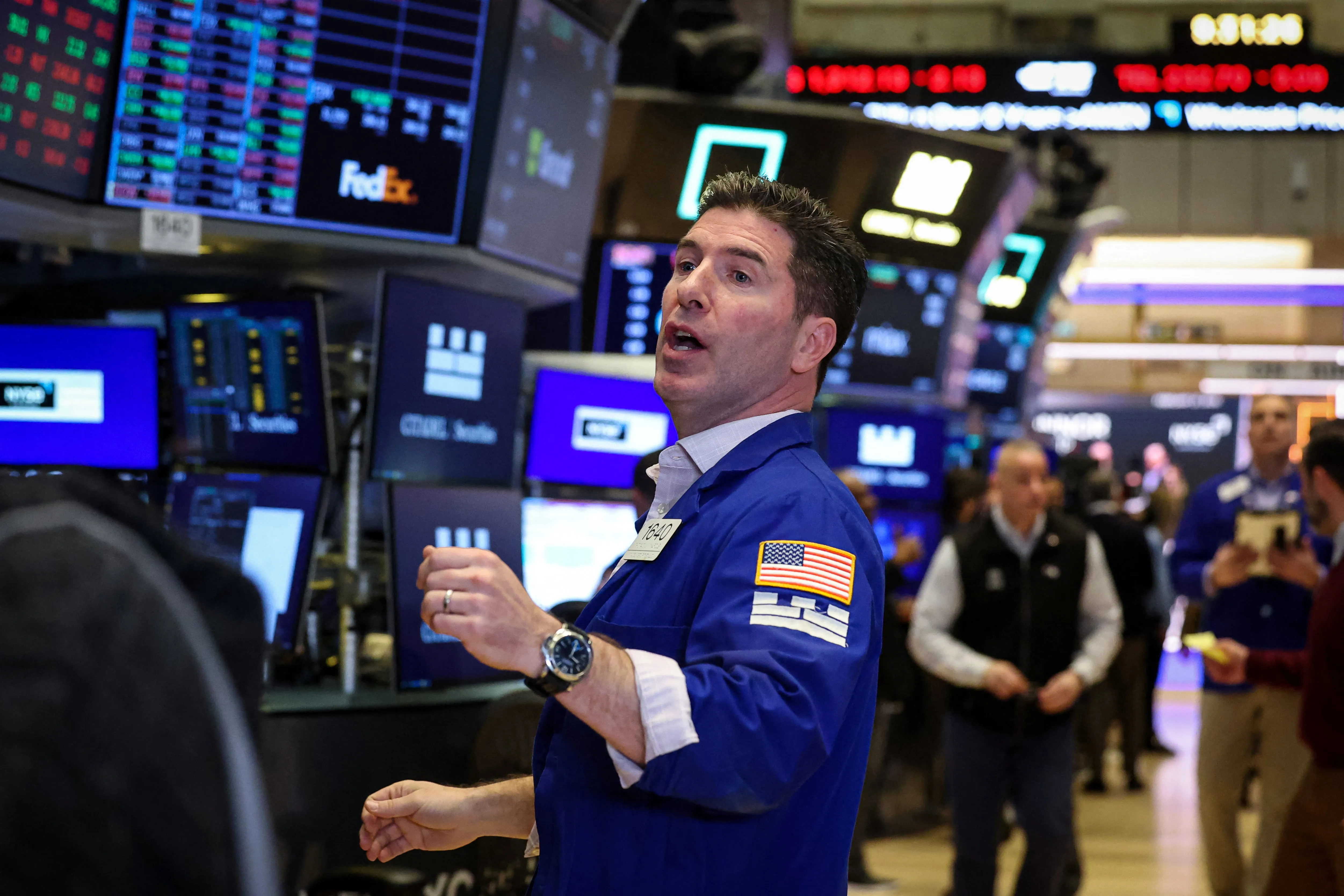
Brent crude futures jumped as much as 10% in early trading following reports of attacks on tankers off the coast of Oman and in the Strait of Hormuz, a critical waterway for global oil supplies.
The Strait of Hormuz is one of the world’s most important oil transit chokepoints, handling about 20% of global oil traffic, making it vulnerable to disruptions that impact energy markets and crude prices.
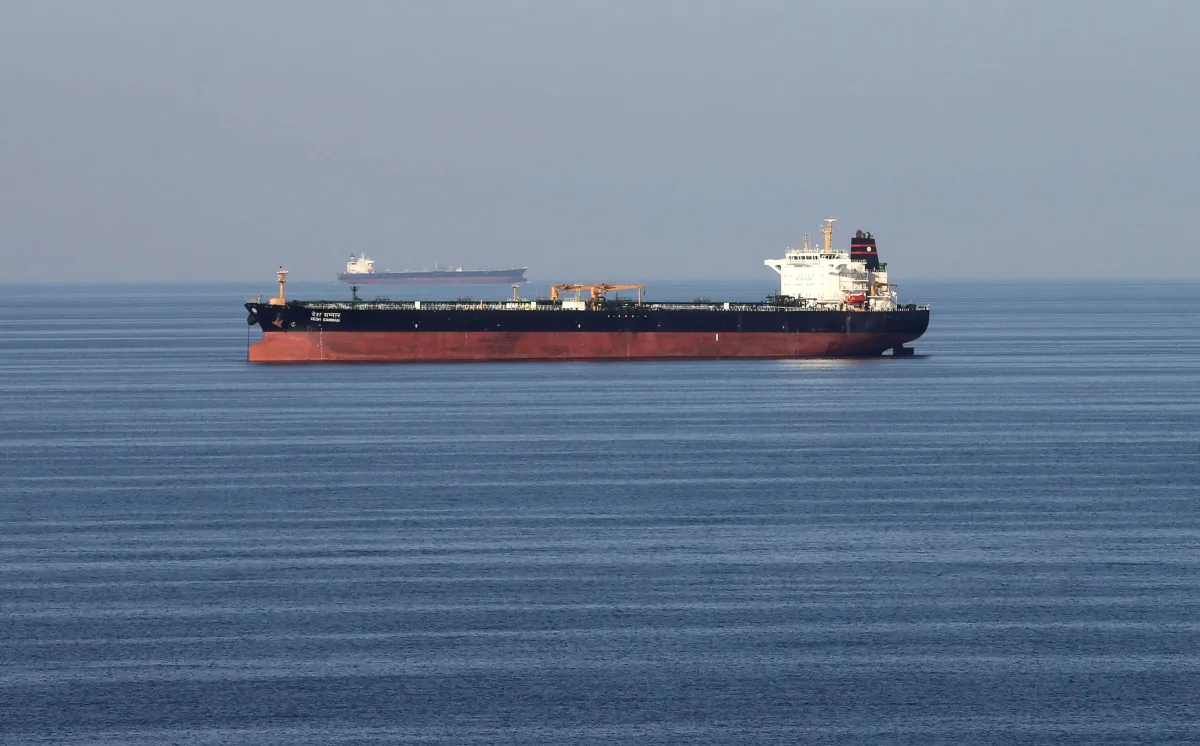
Oman reported that the oil tanker 'Skylight,' sailing under the flag of Palau, was attacked approximately 5 nautical miles north of Khasab port in the Musandam Governorate. All 20 crew members, including 15 Indians and 5 Iranians, were evacuated, with four injured and receiving medical treatment.
Iranian state television confirmed that Tehran targeted a tanker that attempted to cross the Strait of Hormuz despite warnings. Social media users circulated images purportedly showing the tanker ablaze after the attack.
Several Japanese and international shipping firms have reportedly suspended oil tanker traffic through the Strait, citing increased maritime risks.
Meanwhile, OPEC+ agreed to a modest increase in oil production of 206,000 barrels per day, amid ongoing geopolitical instability. The move comes as the U.S. and Israel continue their war on Iran.
OPEC+ previously increased output to mitigate disruptions during crises, but analysts suggest the alliance currently has limited spare capacity to significantly impact supply, with the exceptions of Saudi Arabia and the UAE.
The agreed increase represents less than 0.2% of total global supply.
OPEC+ stated in a release that it would raise production by 206,000 barrels per day starting in April.
Sources familiar with the matter indicated that the alliance discussed options ranging from 137,000 to 548,000 barrels per day, according to Reuters.
Some countries, including Saudi Arabia and the UAE, had previously announced increased production and exports in anticipation of potential attacks.
Analysts surveyed by Reuters anticipate a significant rise in oil prices when markets open. Some predict prices could exceed $100 per barrel if the conflict escalates.
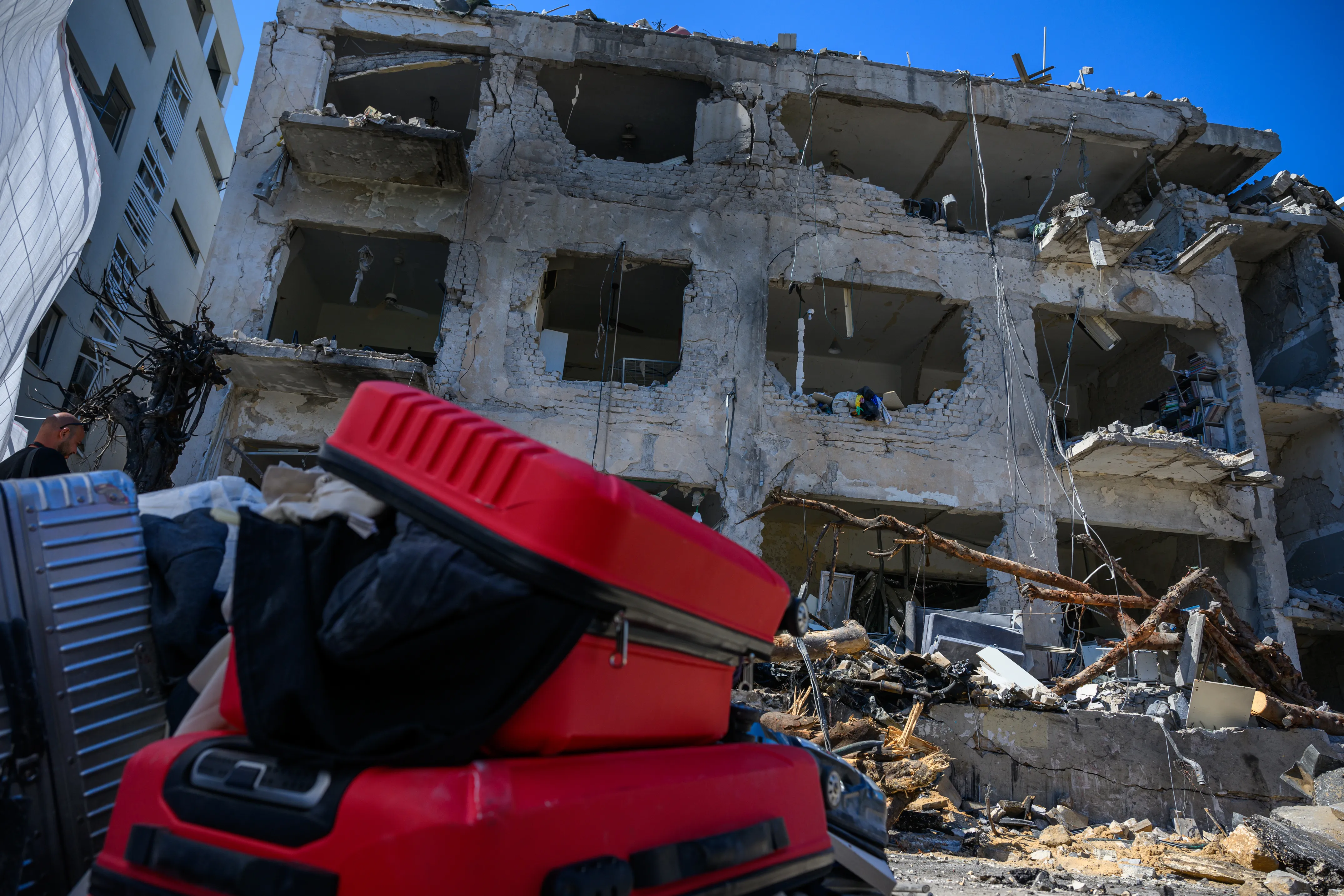
The price surge follows a joint Israeli-U.S. strike against Iran, which resulted in over 200 fatalities, including senior officials, prompting Iran to retaliate with missiles and drones targeting sites in Israel and 27 U.S. bases in the region, including ports and civilian buildings.