 Milan-Cortina 2026 Olympic Winter Games: freestyle skiing women's freeski slopestyle qualification
Orange Jordan Sponsors Al Hussein Technical University’s "Leadathon"
The CEO of Orange Jordan Visits Yarmouk University President to Strengthen the Strategic Partnership
*Orange Jordan Showcases Fabrication Lab Innovations at the Makers’ Forum
3 Winners at Orange Summer Challenge 2024 Join the “Social Innovation” Journey Fostering "Tech4Impact”
Estarta Named Cisco Systems' Distinguished Supplier of the Year 2024
Milan-Cortina 2026 Olympic Winter Games: freestyle skiing women's freeski slopestyle qualification
Orange Jordan Sponsors Al Hussein Technical University’s "Leadathon"
The CEO of Orange Jordan Visits Yarmouk University President to Strengthen the Strategic Partnership
*Orange Jordan Showcases Fabrication Lab Innovations at the Makers’ Forum
3 Winners at Orange Summer Challenge 2024 Join the “Social Innovation” Journey Fostering "Tech4Impact”
Estarta Named Cisco Systems' Distinguished Supplier of the Year 2024
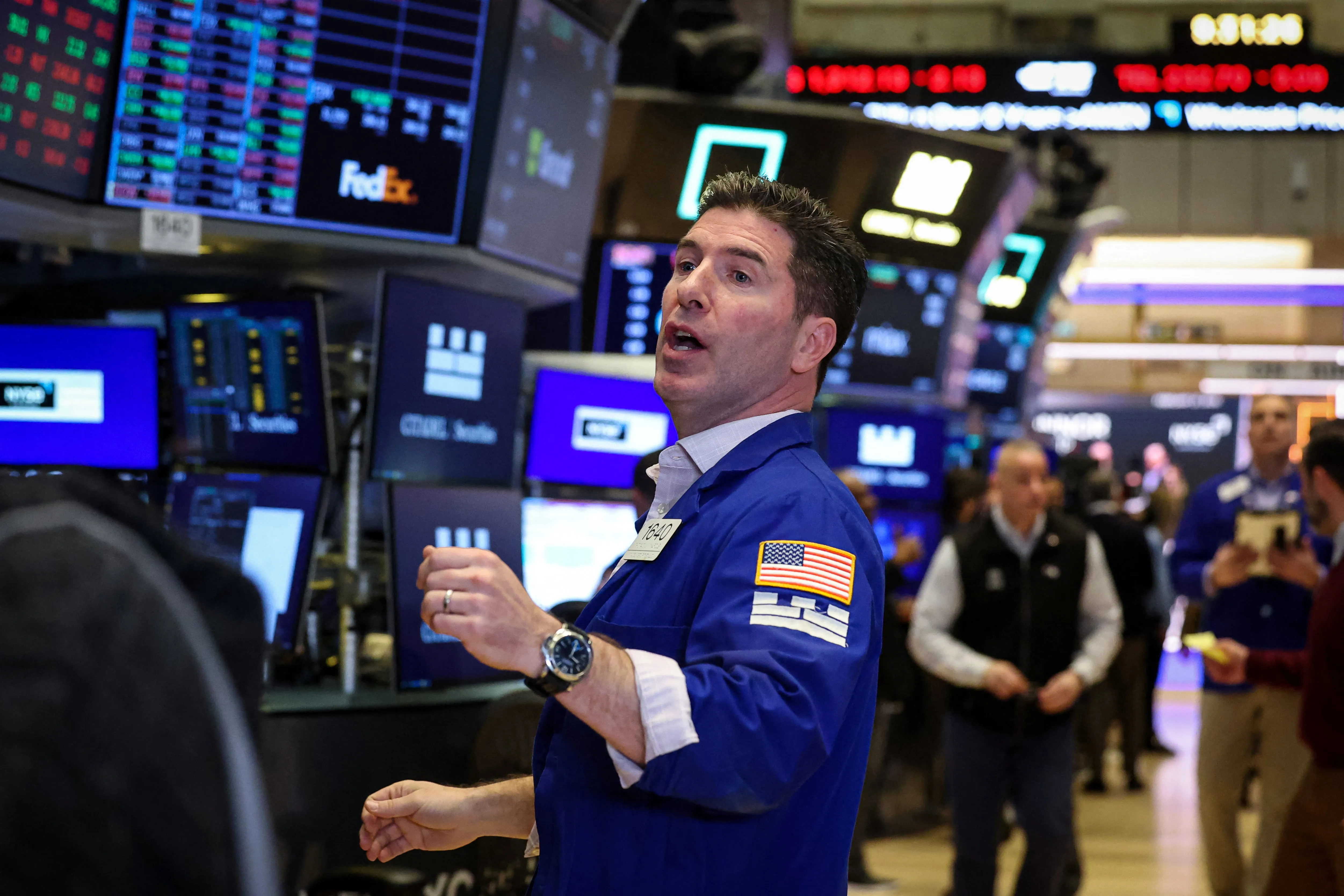
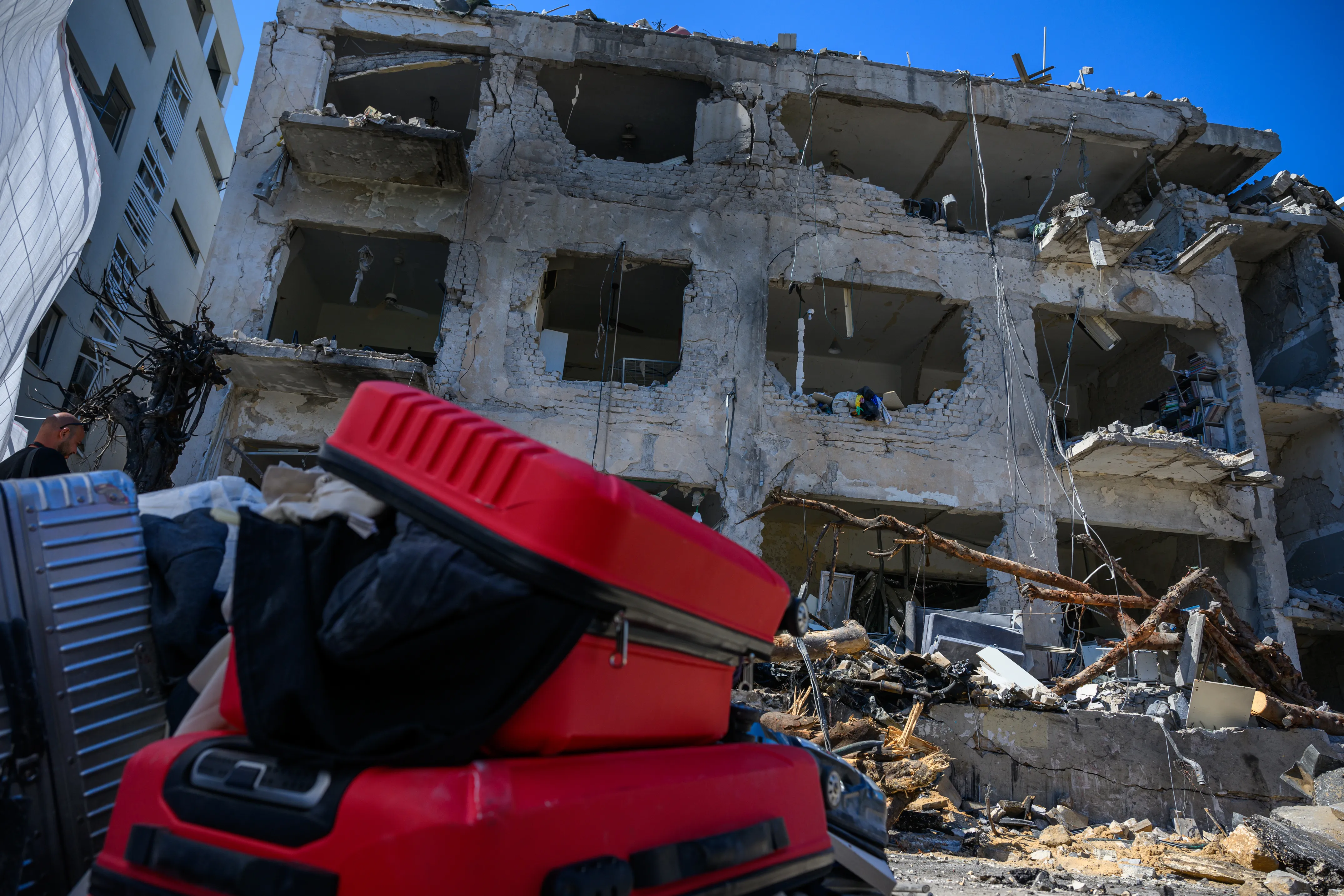
Global financial markets are experiencing heightened anxiety as geopolitical tensions flare in the Middle East, prompting investors to seek refuge in safe-haven assets.
The potential for a prolonged conflict, coupled with rising oil prices, has led portfolio managers to favor investments such as U.S. Treasury bonds, gold, and Swiss franc-denominated assets, according to Bloomberg.
John Briggs, head of interest rate strategy at Natixis, told Bloomberg that the prevailing strategy among traders is "safe havens first, questions later," adding that "the magnitude of the attacks and the Iranian retaliatory response is larger than the market was expecting."
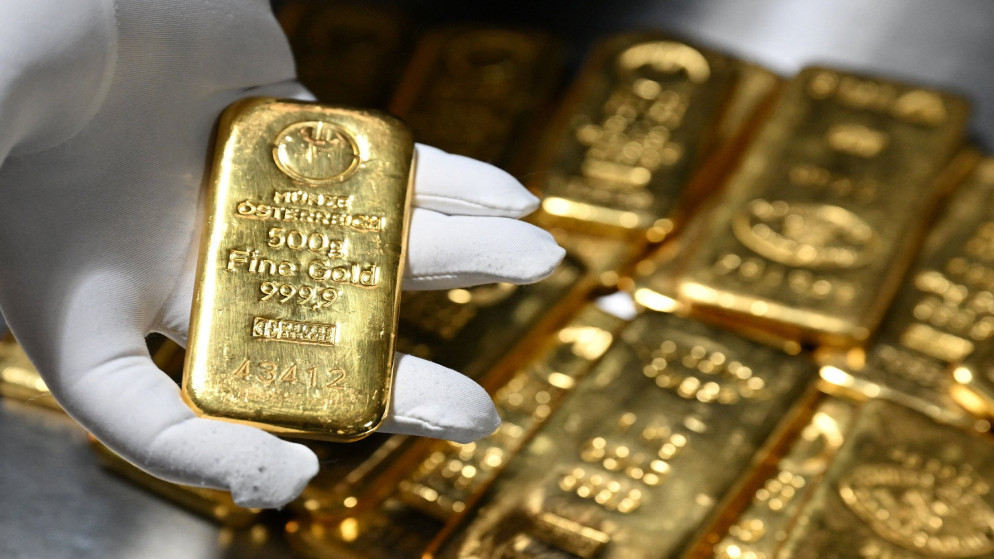
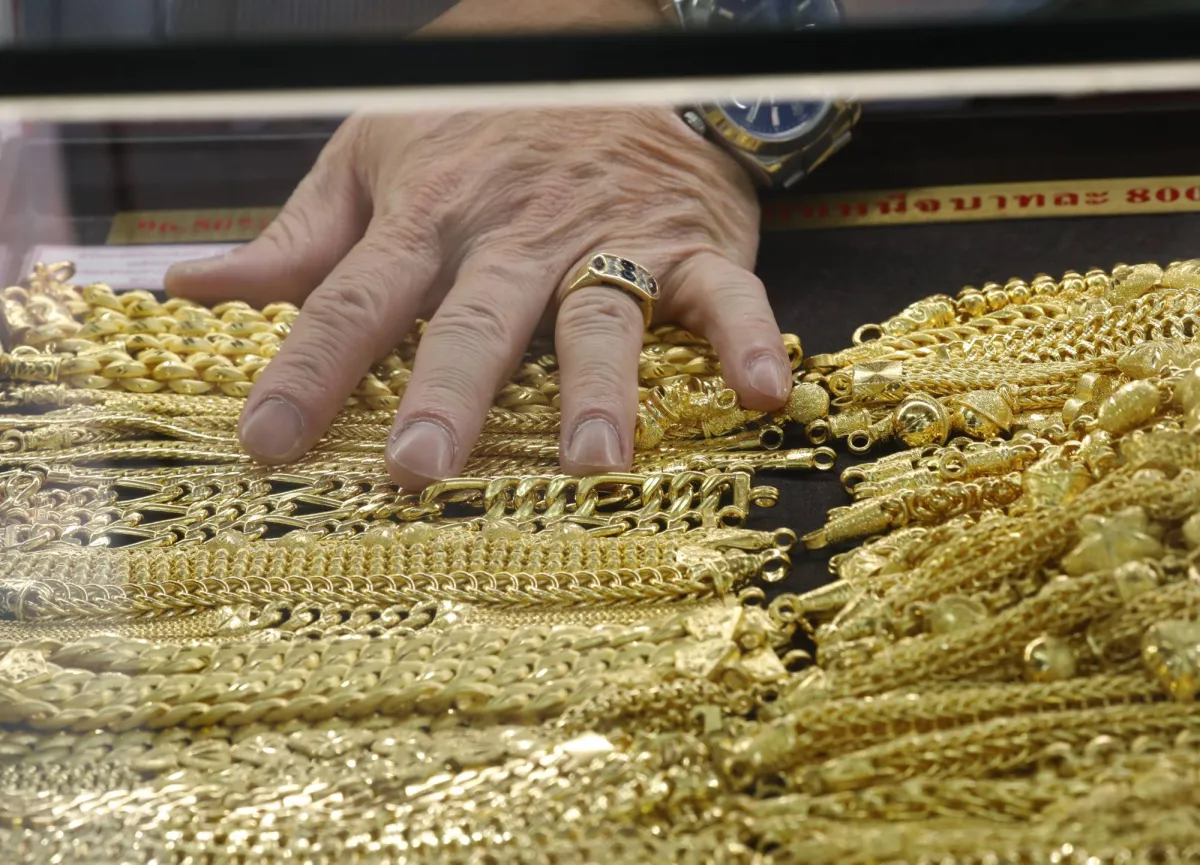
Spot gold prices rose 0.8% to $5,230 per ounce in late Friday trading, Reuters reported, amid speculation of imminent U.S. strikes. U.S. gold futures for April delivery increased 1% to $5,247.90.
Conversely, cryptocurrencies experienced a sharp decline initially, before rebounding to around $68,000 per coin. Cryptocurrencies are generally viewed by investors as higher-risk assets.
Bloomberg indicated that cryptocurrency sell-offs amounted to $1.87 billion at the $60,000 level.
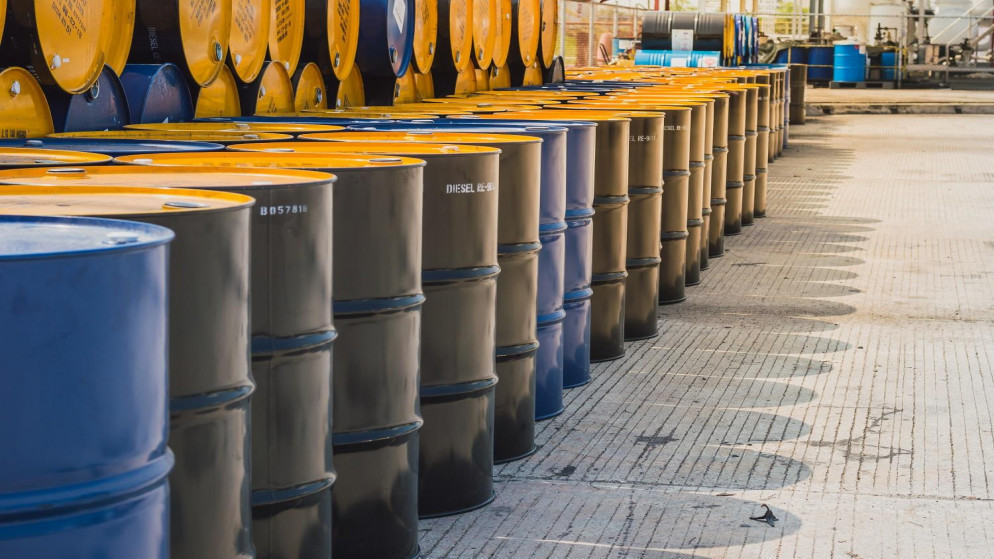
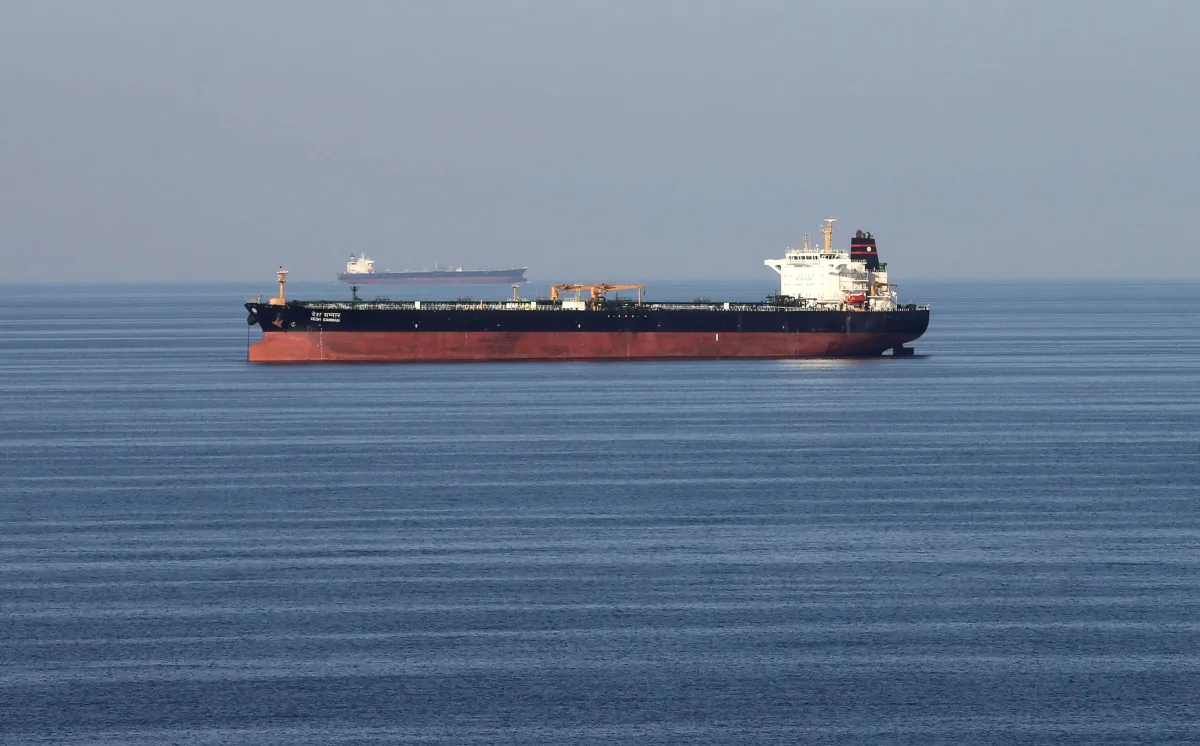
Concerns regarding oil prices were evident as Brent crude rose to $73 a barrel, its highest level since last July.
The S&P 500 index also declined by 0.4%, marking its largest monthly loss since last March, according to Bloomberg.
Experts anticipate the conflict will impact financial markets. Vincent Mortier, chief investment officer at Amundi, expects a short-term increase in oil prices of 5% to 10%, a rise in gold prices, and a slight decrease in stock values by 1%. Francis Tan, Asia strategist at Indosuez Wealth Management, suggests that if the conflict persists for months, oil prices could exceed $100 per barrel, diminishing expectations of interest rate hikes by the U.S. Federal Reserve. Joe Gilbert, portfolio manager at Integrity, believes energy and mining stocks will rise, along with real estate, while defense stocks will see a notable increase due to higher demand.