 Milan-Cortina 2026 Olympic Winter Games: freestyle skiing women's freeski slopestyle qualification
Orange Jordan Sponsors Al Hussein Technical University’s "Leadathon"
The CEO of Orange Jordan Visits Yarmouk University President to Strengthen the Strategic Partnership
*Orange Jordan Showcases Fabrication Lab Innovations at the Makers’ Forum
3 Winners at Orange Summer Challenge 2024 Join the “Social Innovation” Journey Fostering "Tech4Impact”
Estarta Named Cisco Systems' Distinguished Supplier of the Year 2024
Milan-Cortina 2026 Olympic Winter Games: freestyle skiing women's freeski slopestyle qualification
Orange Jordan Sponsors Al Hussein Technical University’s "Leadathon"
The CEO of Orange Jordan Visits Yarmouk University President to Strengthen the Strategic Partnership
*Orange Jordan Showcases Fabrication Lab Innovations at the Makers’ Forum
3 Winners at Orange Summer Challenge 2024 Join the “Social Innovation” Journey Fostering "Tech4Impact”
Estarta Named Cisco Systems' Distinguished Supplier of the Year 2024
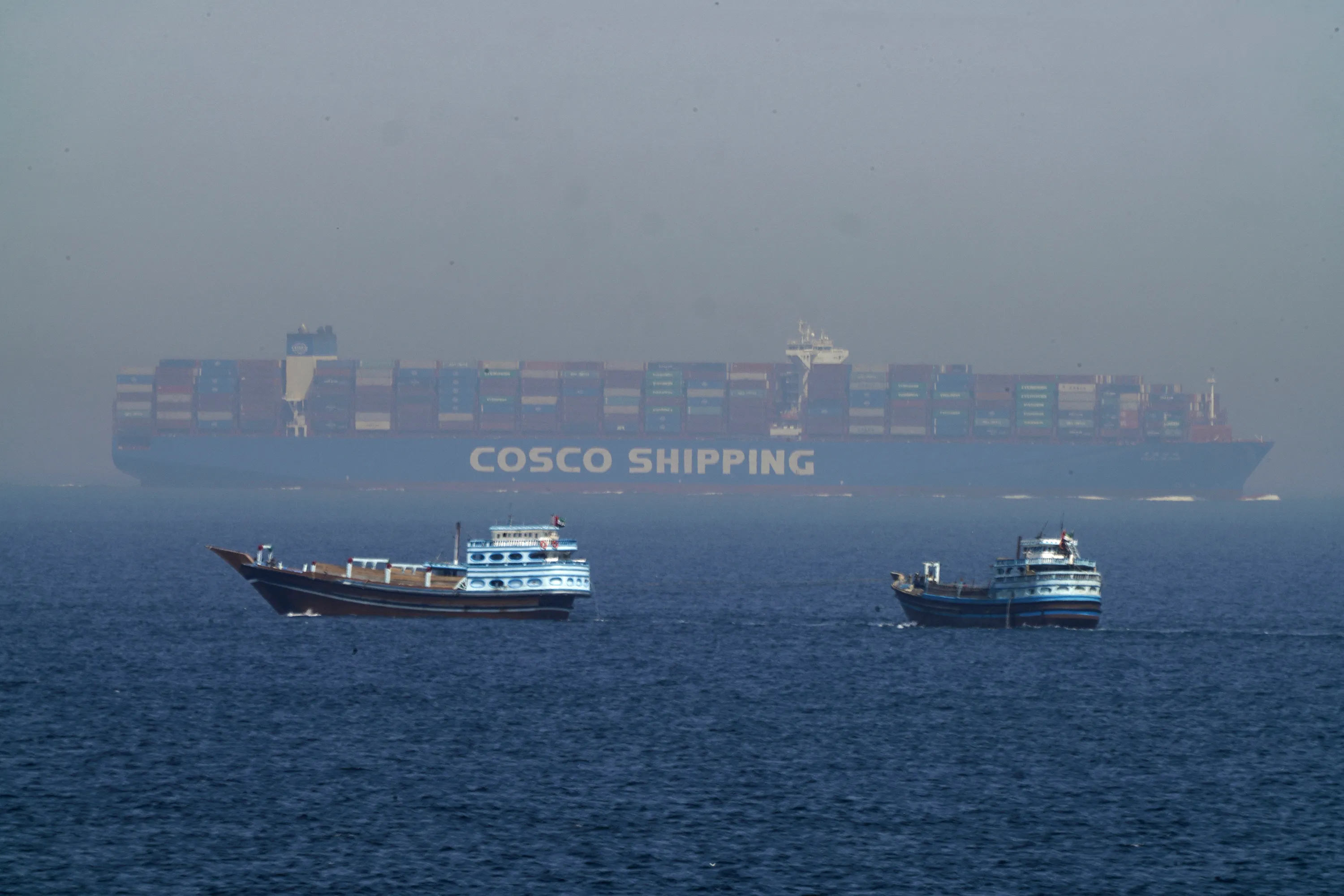
A potential conflict with Iran could lead to higher prices for American consumers, impacting everything from gasoline to everyday goods, according to analysts.
Rising oil prices and increased shipping costs, driven by tensions in the Middle East, are expected to push up inflation in the United States, potentially hindering the Federal Reserve's ability to cut interest rates.
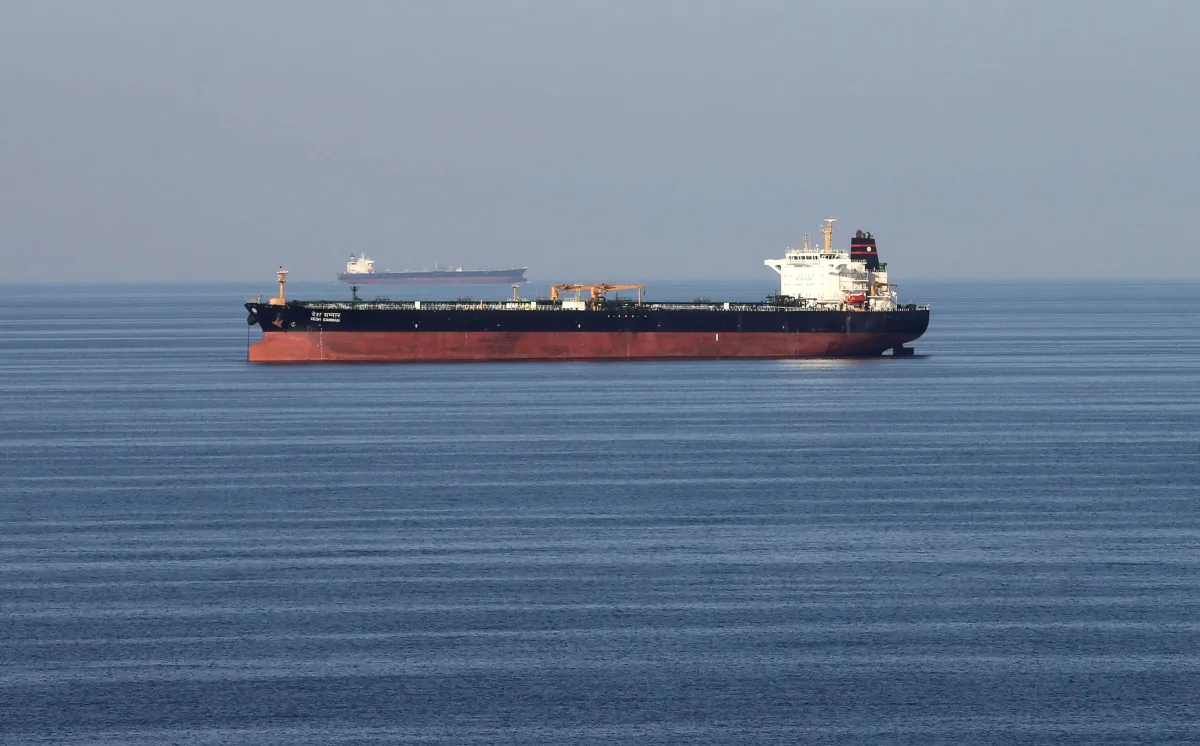
Concerns are mounting that escalating tensions could disrupt the flow of oil through the Strait of Hormuz, a critical waterway for global oil and gas supplies. The Iranian Revolutionary Guard has previously declared the strait unsafe for passage, leading some shipping companies to suspend operations in the area.
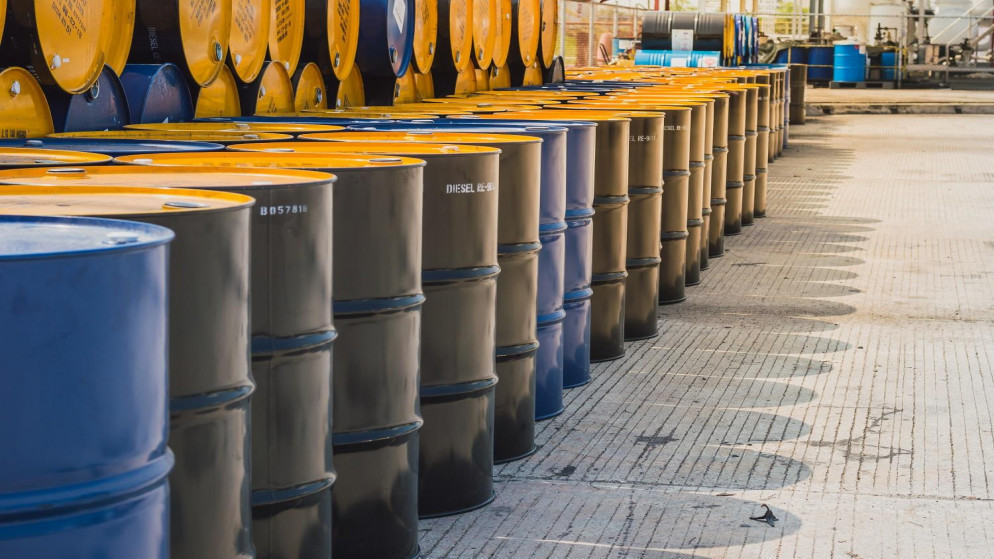
If the conflict expands, analysts predict oil prices could surge above $100 a barrel, significantly increasing gasoline prices for American drivers. Benchmark Brent crude already rose to $73 a barrel recently, and further increases are anticipated if tensions escalate.
Beyond oil, increased shipping costs will also contribute to rising prices for a wide range of goods, impacting consumers' purchasing power.
The potential for higher inflation could also complicate the Federal Reserve's monetary policy. With inflation already around 3%, exceeding the Fed's 2% target, the central bank may be forced to delay or abandon plans to lower interest rates.
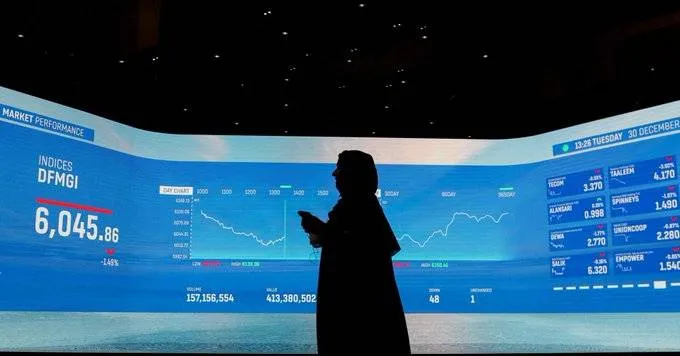
A hit to Wall Street is also a possibility, potentially eroding investment gains touted recently. Disruptions to global supply chains would intensify the pressure on U.S. equities.
While it remains unclear how the situation will unfold, the economic consequences of a broader conflict with Iran could have a tangible impact on the daily lives of Americans.