 Milan-Cortina 2026 Olympic Winter Games: freestyle skiing women's freeski slopestyle qualification
Orange Jordan Sponsors Al Hussein Technical University’s "Leadathon"
The CEO of Orange Jordan Visits Yarmouk University President to Strengthen the Strategic Partnership
*Orange Jordan Showcases Fabrication Lab Innovations at the Makers’ Forum
3 Winners at Orange Summer Challenge 2024 Join the “Social Innovation” Journey Fostering "Tech4Impact”
Estarta Named Cisco Systems' Distinguished Supplier of the Year 2024
Milan-Cortina 2026 Olympic Winter Games: freestyle skiing women's freeski slopestyle qualification
Orange Jordan Sponsors Al Hussein Technical University’s "Leadathon"
The CEO of Orange Jordan Visits Yarmouk University President to Strengthen the Strategic Partnership
*Orange Jordan Showcases Fabrication Lab Innovations at the Makers’ Forum
3 Winners at Orange Summer Challenge 2024 Join the “Social Innovation” Journey Fostering "Tech4Impact”
Estarta Named Cisco Systems' Distinguished Supplier of the Year 2024

Heightened geopolitical tensions in the Middle East have emerged as a primary concern for investors, overshadowing previous risk factors. The escalating conflict introduces uncertainties ranging from potential power struggles within Iran to a protracted regional war, impacting global trade, inflation, and financial market stability.
Oil prices surged, and gold rallied as markets absorbed the impact of recent actions in Iran. The financial markets are attempting to evaluate the potential ramifications of escalating tensions.
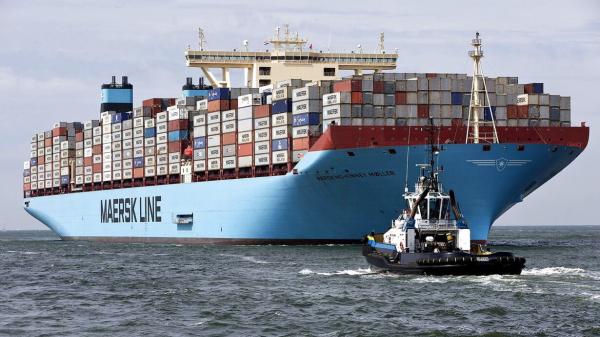
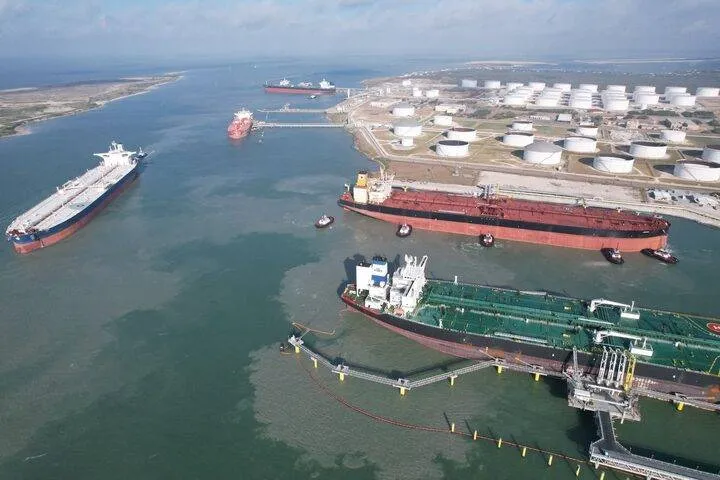
Analysts suggest that current market pricing reflects an assumption of a contained conflict. However, this leaves considerable room for market volatility should the situation deteriorate. Scenarios include retaliatory actions impacting Gulf states, airline disruptions, and suspended oil tanker traffic through the crucial Strait of Hormuz.
The uncertainty surrounding Iran's political landscape adds complexity, making oil price predictions difficult. Oil prices have been on an upward trend for weeks, and are now contingent on actions by oil-producing nations and the security of tanker passage through the Middle East, factors with substantial implications for global inflation and bond safety, according to Reuters.
Brent crude experienced a roughly 10% increase, reaching $79 a barrel, marking a nearly 30% gain since the beginning of the year. Nonetheless, this remains below the $100 level projected by analysts in the event of a prolonged conflict.
Jörg Krämer, chief economist at Commerzbank, noted that the market reaction has been relatively moderate, considering the potential closure of the Strait of Hormuz, a critical transit point for approximately 20% of global oil consumption. He suggests that market participants anticipate a brief conflict lasting only a few weeks.
Analysts caution against complacency, noting that markets may be underestimating the potential for escalation, drawing parallels to past events where the impact of conflict was initially perceived as limited.
Barclays analysts highlighted the historical tendency for geopolitical risk premiums to decline upon the commencement of hostilities. They expressed concern that investors, having observed this pattern, might undervalue the scenario in which conflict containment fails.
Furthermore, analysts point to factors like AI and private credit markets as potential amplifiers of any sell-off triggered by escalating conflict.
Mohit Kumar, an economist at Jefferies, anticipates further market declines in the coming days, suggesting that a buying opportunity remains distant.
In a flight to safety, the dollar strengthened, gold prices rose, and European stocks declined. The Swiss franc reached its highest level against the euro since 2015, while the yen weakened against the dollar.
Government bond yields initially declined but later increased as investors reduced bets on interest rate cuts by major central banks, reflecting market focus on the potential inflationary effects of rising oil prices.
William Jackson of Capital Economics projects that a prolonged conflict impacting supplies could push oil prices toward $100 a barrel, potentially adding 0.6 to 0.7 percentage points to global inflation.
Tarek Dennison, a wealth adviser at GFM Asset Management, suggests that markets have already overestimated inflationary forces and anticipates a greater impact on Europe compared to the United States, given the proximity of the Strait of Hormuz to oil and gas sources after Russia. He draws parallels to the energy crisis following Russia's invasion of Ukraine in 2022.
ING suggests that investor optimism regarding Europe may be challenged by rising energy prices.
Some analysts anticipate that Iran's capacity to disrupt trade in the Gulf will be limited, resulting in a contained impact on oil prices.
Ed Yardeni, president of Yardeni Research, suggests that any sell-off in the S&P 500 could reverse based on expectations of declining oil prices following the conclusion of the conflict. He also anticipates a potential return of gold prices to pre-event levels and a decline in bond yields driven by safe-haven demand and post-conflict expectations of lower oil prices.