 Milan-Cortina 2026 Olympic Winter Games: freestyle skiing women's freeski slopestyle qualification
Orange Jordan Sponsors Al Hussein Technical University’s "Leadathon"
The CEO of Orange Jordan Visits Yarmouk University President to Strengthen the Strategic Partnership
*Orange Jordan Showcases Fabrication Lab Innovations at the Makers’ Forum
3 Winners at Orange Summer Challenge 2024 Join the “Social Innovation” Journey Fostering "Tech4Impact”
Estarta Named Cisco Systems' Distinguished Supplier of the Year 2024
Milan-Cortina 2026 Olympic Winter Games: freestyle skiing women's freeski slopestyle qualification
Orange Jordan Sponsors Al Hussein Technical University’s "Leadathon"
The CEO of Orange Jordan Visits Yarmouk University President to Strengthen the Strategic Partnership
*Orange Jordan Showcases Fabrication Lab Innovations at the Makers’ Forum
3 Winners at Orange Summer Challenge 2024 Join the “Social Innovation” Journey Fostering "Tech4Impact”
Estarta Named Cisco Systems' Distinguished Supplier of the Year 2024
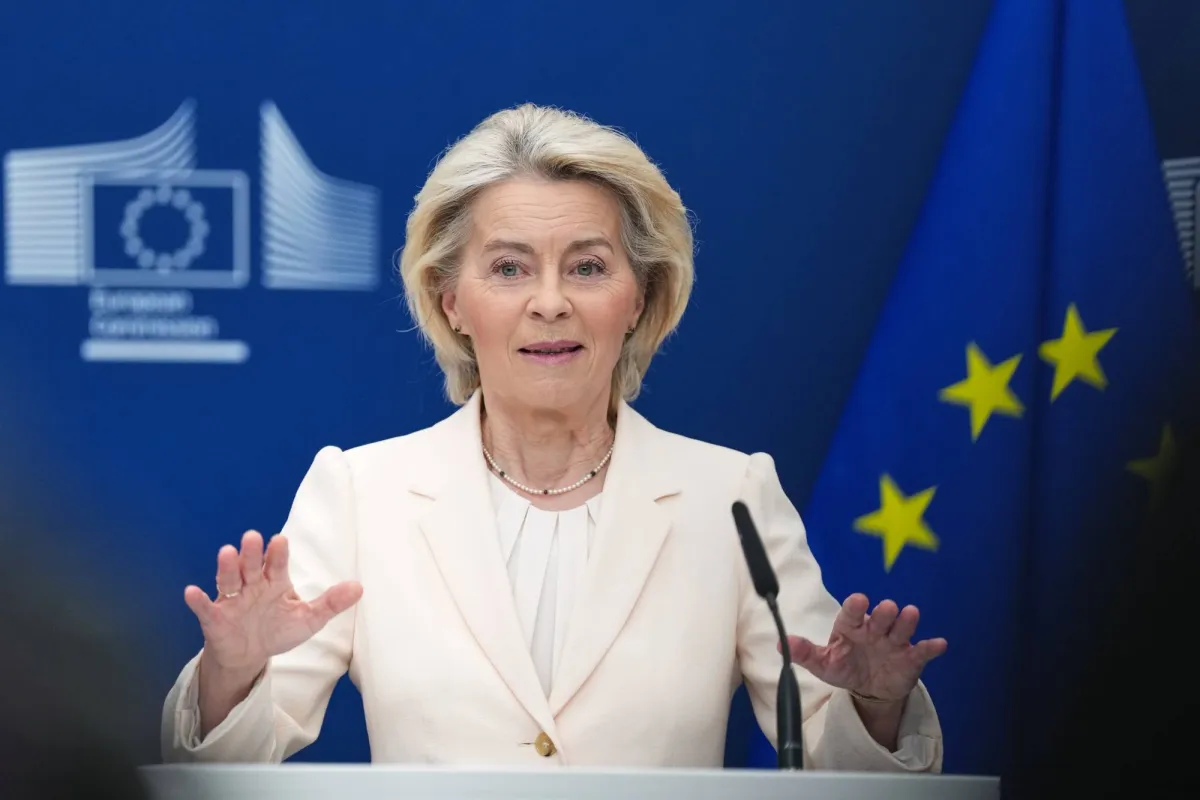
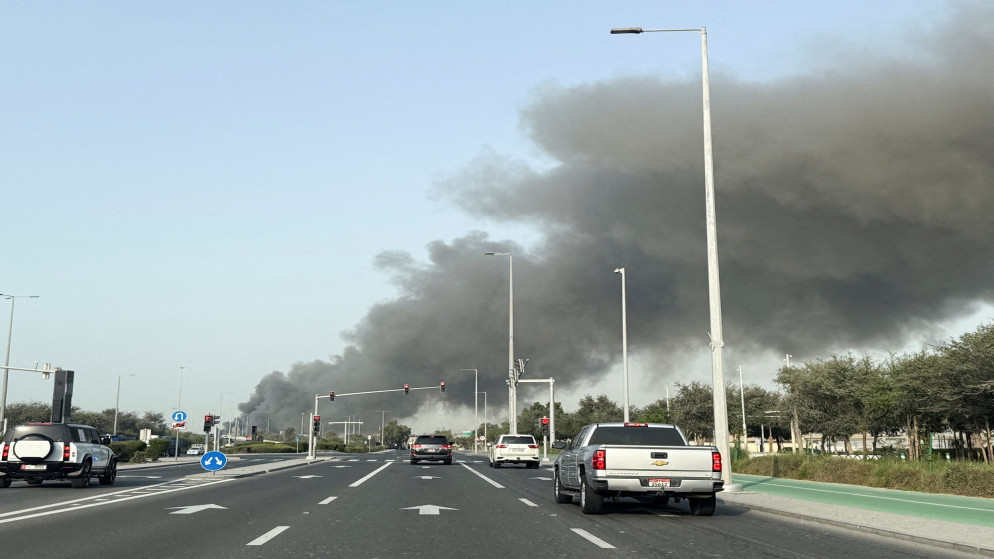
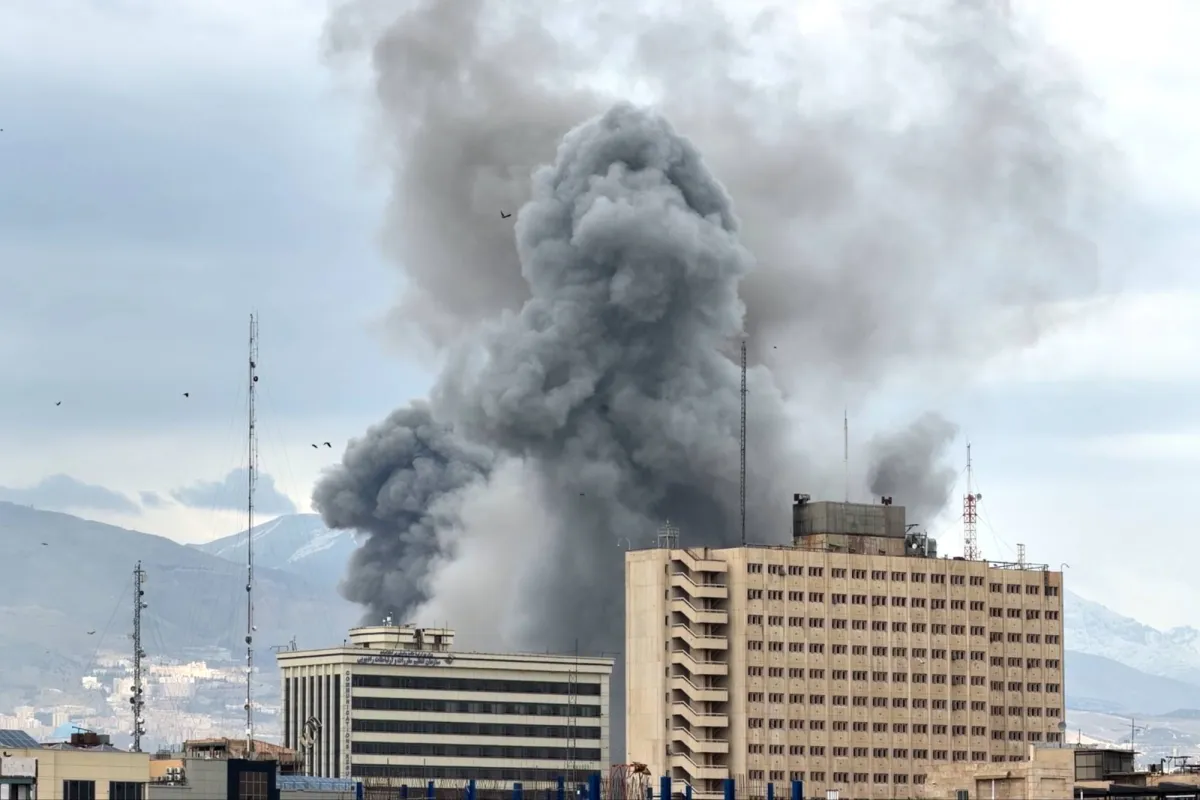
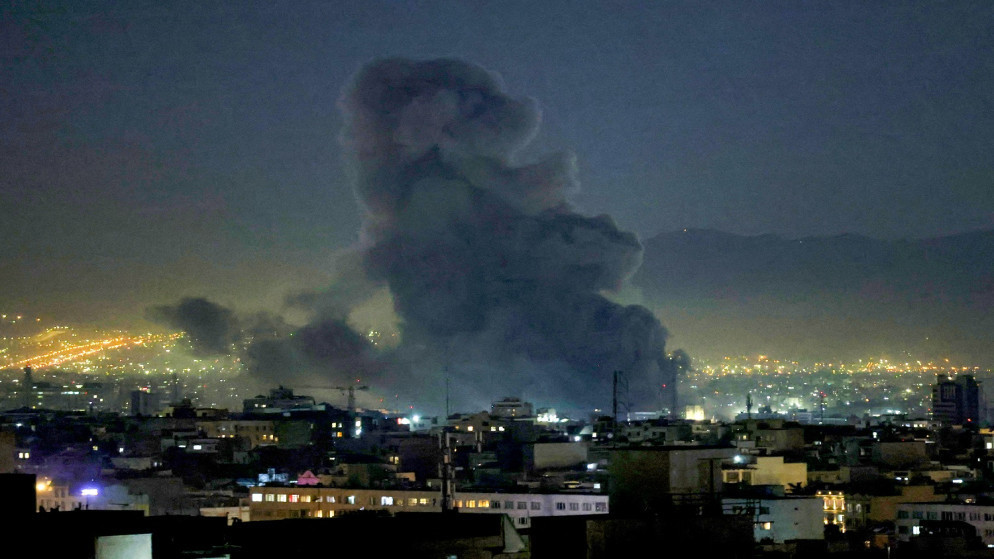
European nations are increasingly considering direct intervention in the Middle East conflict, driven by concerns over regional stability and the need to defend allied interests, marking a significant shift from calls for restraint to potential military action.
The move comes in response to escalating tensions, including alleged Iranian attacks on Gulf states and critical infrastructure, prompting condemnation from European leaders and a hardening of stance against Tehran.
Ursula von der Leyen, President of the European Commission, strongly denounced what she termed Iran's “irresponsible attacks,” specifically citing the targeting of a British airbase in Cyprus and civilian infrastructure in the Gulf region. Her comments signal a departure from previous calls for de-escalation, with von der Leyen advocating for political change in Iran.
The European troika, consisting of France, Britain, and Germany, has taken a more assertive stance, hinting at direct intervention in the conflict. Leaders from the three nations issued a joint statement condemning Iranian attacks on Gulf states and Jordan, emphasizing their commitment to defending their interests and those of their allies.
The statement explicitly mentioned the possibility of taking “necessary and proportionate defensive actions to destroy Iran’s ability to launch missiles and drones from their sources,” indicating a willingness to strike targets within Iranian territory.
France has already signaled its readiness to participate in the defense of regional partners, including Saudi Arabia, Qatar, the United Arab Emirates, Bahrain, Kuwait, and Oman, in accordance with defense agreements and international law. France maintains military bases in the UAE, Jordan, and Djibouti, further solidifying its capacity for regional intervention.
In response to the escalating situation, France's Minister of Foreign Affairs, Jean-Noël Barrot, announced that Paris is prepared to assist in the defense of these nations, referencing existing partnerships and principles of collective self-defense enshrined in international law.
France is also bolstering its naval presence in the Red Sea as part of Operation Aspides, launched in 2024 to protect freedom of navigation. The deployment includes additional French destroyers and the aircraft carrier Charles de Gaulle, signaling a commitment to maintaining security in the region's vital waterways.
Echoing the French position, British Prime Minister Keir Starmer has accused Tehran of endangering British lives and interests across the region, asserting that Gulf allies have requested increased support for their defense. Starmer emphasized that destroying Iranian missiles at their source is the only way to halt the threat.
Britain, which maintains the Akrotiri airbase in Cyprus, has long-standing defense agreements with Gulf states, including joint military exercises, arms sales, and protection of critical infrastructure. Starmer revealed that British aircraft have already intercepted Iranian strikes as part of defensive operations in the region.
However, Starmer's stance has drawn criticism from U.S. President Donald Trump, who expressed disappointment over delays in granting U.S. forces access to British bases for retaliatory strikes against Iran. Trump reportedly found Starmer's initial reluctance concerning the legitimacy of the request troubling.
Germany, while lacking a comparable military presence in the region, maintains a contingent of soldiers in Erbil, Iraq, as part of the international coalition against ISIS. Berlin also has personnel stationed at the Azraq airbase in Jordan, alongside forces from other nations.
Despite emphasizing the need to prevent further escalation, Germany, under Chancellor Friedrich Merz, has adopted a position aligned with Washington, refraining from criticizing U.S. and Israeli operations. Merz's upcoming visit to Washington underscores the close ties between the two nations.
Overall, European nations, with a few exceptions, are moving away from reservations about the conflict, acknowledging their limited influence while preparing for potential intervention should the situation deteriorate further.