 Milan-Cortina 2026 Olympic Winter Games: freestyle skiing women's freeski slopestyle qualification
Orange Jordan Sponsors Al Hussein Technical University’s "Leadathon"
The CEO of Orange Jordan Visits Yarmouk University President to Strengthen the Strategic Partnership
*Orange Jordan Showcases Fabrication Lab Innovations at the Makers’ Forum
3 Winners at Orange Summer Challenge 2024 Join the “Social Innovation” Journey Fostering "Tech4Impact”
Estarta Named Cisco Systems' Distinguished Supplier of the Year 2024
Milan-Cortina 2026 Olympic Winter Games: freestyle skiing women's freeski slopestyle qualification
Orange Jordan Sponsors Al Hussein Technical University’s "Leadathon"
The CEO of Orange Jordan Visits Yarmouk University President to Strengthen the Strategic Partnership
*Orange Jordan Showcases Fabrication Lab Innovations at the Makers’ Forum
3 Winners at Orange Summer Challenge 2024 Join the “Social Innovation” Journey Fostering "Tech4Impact”
Estarta Named Cisco Systems' Distinguished Supplier of the Year 2024

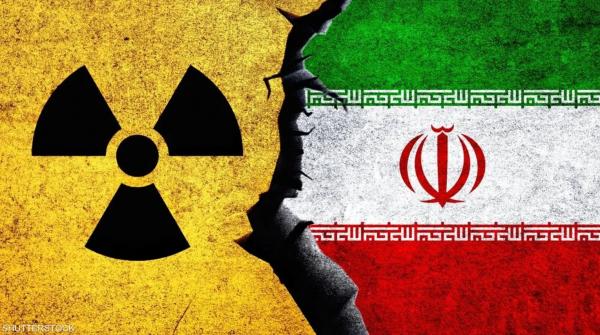
Conflicting messages from Washington have cast a shadow over the U.S.'s strategy and ultimate goals in its ongoing conflict with Iran, prompting analysts to call for a clearer articulation of objectives.
The recent military actions, initiated amidst escalating tensions, have raised concerns about the potential for a prolonged engagement and the broader implications for regional stability. The lack of a well-defined exit strategy, coupled with seemingly contradictory statements from key U.S. officials, has fueled speculation about the true scope and purpose of the operation.
Defense Secretary Pete Hegseth stated that the U.S. did not start the war but would finish it, a remark interpreted by some analysts as an attempt to justify military action undertaken without a direct threat to U.S. national security. Hegseth accused Iran of waging war against the U.S. for 47 years, citing past attacks and support for militant groups. He outlined three U.S. objectives: dismantling Iran's missile threats, naval capabilities, and nuclear infrastructure, all without the use of nuclear weapons. Hegseth asserted that Iran's missile arsenal, drone capabilities, and underground nuclear infrastructure posed an unacceptable risk to U.S. forces, allies, and global shipping lanes.
Hegseth dismissed concerns about a protracted conflict or nation-building efforts, contrasting the strikes against Iran with the situation in Iraq. General Dan Kane emphasized the mission's focus on self-defense and preventing Iran from expanding its influence beyond its borders. He acknowledged that achieving the Central Command's military objectives would take time and could result in further casualties. These remarks marked the first public statements from the Department of Defense since the start of U.S.-Israeli military operations against Iran.
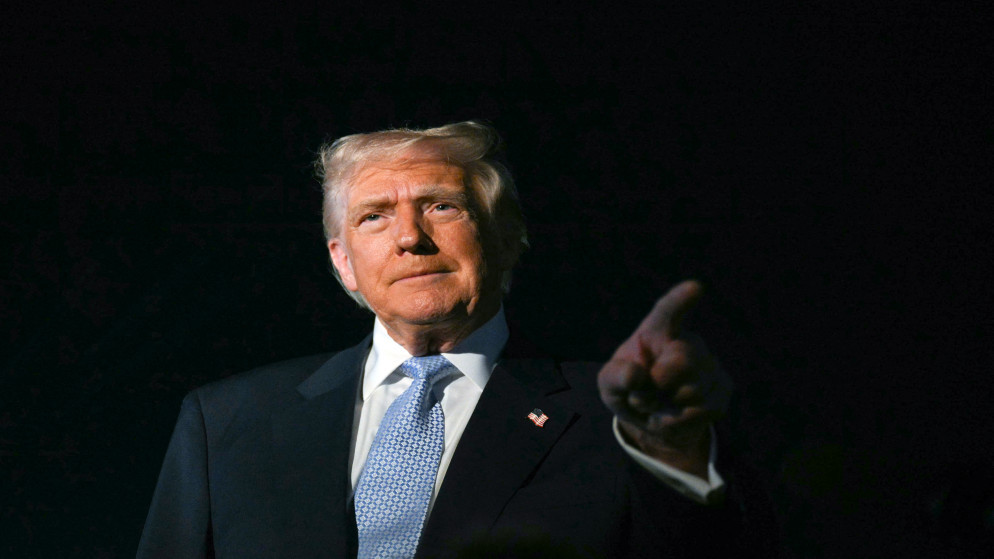
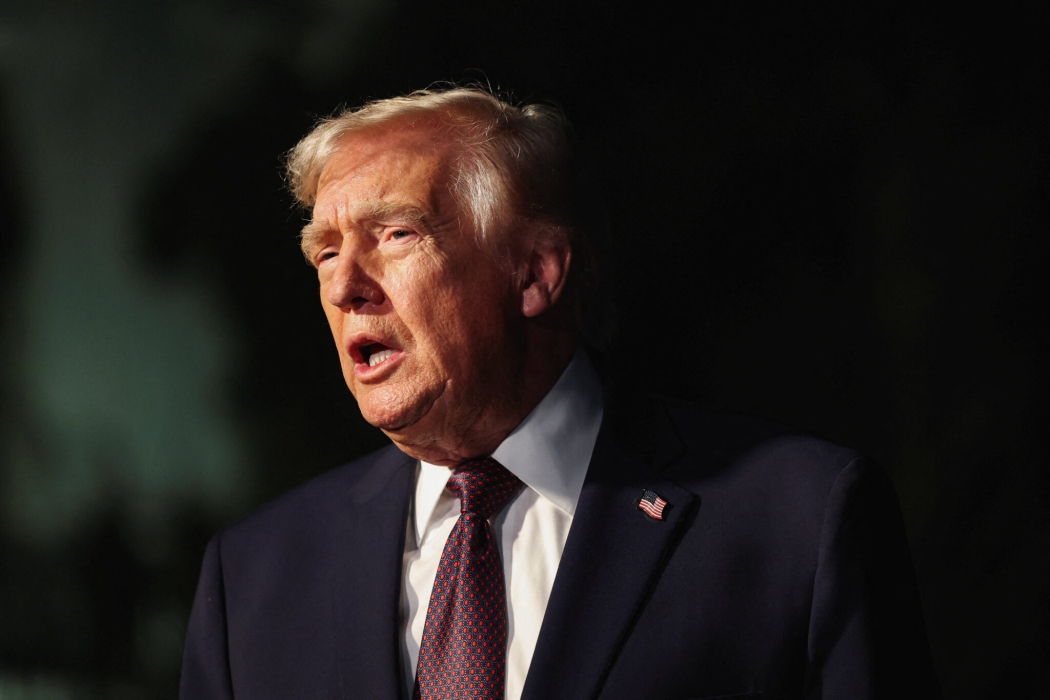
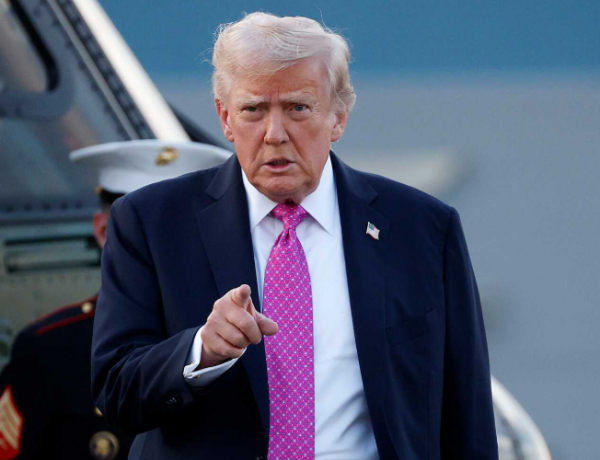
Adding to the uncertainty, President Trump has presented a range of perspectives on the conflict's potential conclusion. While initially calling on Iranian leaders to surrender or face certain death, he later suggested that the offensive could last for several weeks. He has also alluded to regime change, urging Iranian generals to either cede power to the people or adopt a model similar to Venezuela. Trump has also stated Iranian leaders want to talk, opening the possibility of diplomacy, a suggestion quickly rejected by Iranian officials.
Analysts emphasize the need for the U.S. to clearly define its objectives, warning of potential unintended consequences. Some experts suggest that the administration is pursuing a strategy of limited strikes to weaken Iran without a full-scale invasion, hoping to create internal pressure that leads to the regime's collapse. However, concerns remain about the potential for escalation and the lack of a comprehensive plan.
The conflicting messages and unclear objectives have raised questions about the U.S.'s long-term strategy and the potential implications for the region. With the situation remaining fluid, the need for a clear and consistent articulation of U.S. goals has become increasingly apparent.