أترغب في تفعيل الإشعارات؟
حتى لا تفوتك آخر الأحداث والأخبار العاجلة

 ثلاثية "الحسين": الانضباط والتحديث والجاهزية كمنهاج للدولة.
وزير الاتصال الحكومي يهنئ عمال الأردن بعيدهم
خامنئي: "الإدارة الجديدة لمضيق هرمز ستجلب الهدوء والتقدم"
صناعة الأردن: %96.5 من العاملين في القطاع مشمولون بالضمان الاجتماعي
بين خدمة العلم وخدمة الوطن... الشباب الأردني يصنع المستقبل
الرئيس اللبناني يندد بالانتهاكات الاسرائيلية المستمرة في جنوب لبنان رغم وقف النار
الأردن والبحرين يبحثان تثبيت وقف إطلاق النار بين واشنطن وطهران وضمان حرية الملاحة في هرمز
تحديثات مجدولة توقف خدمات مركز الاتصال الوطني 12 ساعة
"الأردنية للبحث العلمي" تنظم محاضرة حول مستقبل الأمن السيبراني والذكاء الاصطناعي
المدن الصناعية الاردنية تهنئ عمال الوطن بعيدهم
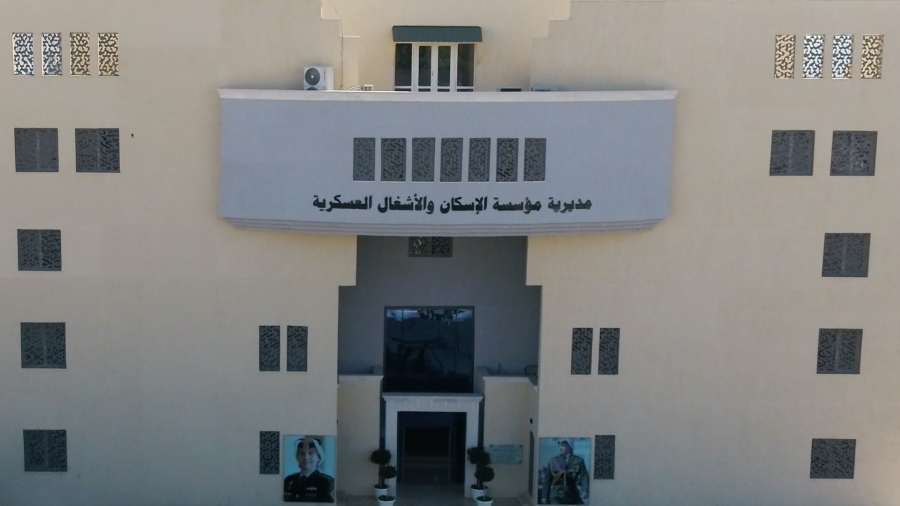
إعلان صادر عن القيادة العامة للقوات المسلحة الأردنية – الجيش العربي/ مديرية مؤسسة الإسكان والأشغال العسكرية
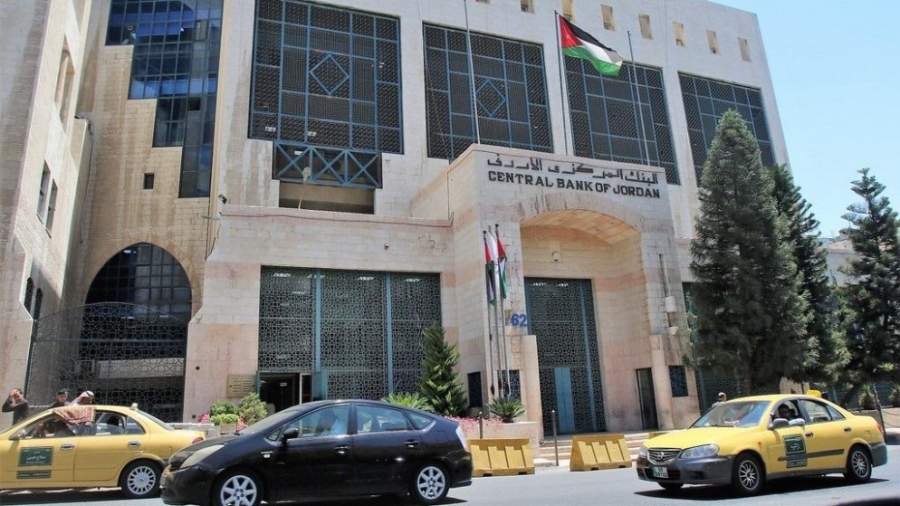
لجنة عمليات السوق المفتوحة تقرر تثبيت "سعر الفائدة الرئيسي للبنك المركزي"
91.8 دينارا سعر الذهب عيار 21 في السوق المحلية الخميس
"الفوسفات" تهنئ بعيد العمال العالمي
أكسيوس: قادة الجيش سيطلعون ترامب على خيارات جديدة بشأن إيران
وزير الخارجية: الأردن يجدد تأكيد دعمه للصومال ووحدة أراضيها
أجواء معتدلة في أغلب المناطق حتى الأحد
في حديقة الحيوان .. ياباني يقتل زوجته بجريمة "غير مسبوقة"
يصطاد سمكة ثمنها 2.6 مليون دولار .. ويأكلها مع أصدقائه
ما تأثير التهابات الفم على القلب؟
ثلاثية "الحسين": الانضباط والتحديث والجاهزية كمنهاج للدولة.
وزير الاتصال الحكومي يهنئ عمال الأردن بعيدهم
خامنئي: "الإدارة الجديدة لمضيق هرمز ستجلب الهدوء والتقدم"
صناعة الأردن: %96.5 من العاملين في القطاع مشمولون بالضمان الاجتماعي
بين خدمة العلم وخدمة الوطن... الشباب الأردني يصنع المستقبل
الرئيس اللبناني يندد بالانتهاكات الاسرائيلية المستمرة في جنوب لبنان رغم وقف النار
الأردن والبحرين يبحثان تثبيت وقف إطلاق النار بين واشنطن وطهران وضمان حرية الملاحة في هرمز
تحديثات مجدولة توقف خدمات مركز الاتصال الوطني 12 ساعة
"الأردنية للبحث العلمي" تنظم محاضرة حول مستقبل الأمن السيبراني والذكاء الاصطناعي
المدن الصناعية الاردنية تهنئ عمال الوطن بعيدهم
إعلان صادر عن القيادة العامة للقوات المسلحة الأردنية – الجيش العربي/ مديرية مؤسسة الإسكان والأشغال العسكرية
لجنة عمليات السوق المفتوحة تقرر تثبيت "سعر الفائدة الرئيسي للبنك المركزي"
91.8 دينارا سعر الذهب عيار 21 في السوق المحلية الخميس
"الفوسفات" تهنئ بعيد العمال العالمي
أكسيوس: قادة الجيش سيطلعون ترامب على خيارات جديدة بشأن إيران
وزير الخارجية: الأردن يجدد تأكيد دعمه للصومال ووحدة أراضيها
أجواء معتدلة في أغلب المناطق حتى الأحد
في حديقة الحيوان .. ياباني يقتل زوجته بجريمة "غير مسبوقة"
يصطاد سمكة ثمنها 2.6 مليون دولار .. ويأكلها مع أصدقائه
ما تأثير التهابات الفم على القلب؟
India has intensified its regulation of social media platforms, implementing a new law that mandates quicker removal of unlawful content and stricter controls on AI-generated material.
The regulations, which require platforms to remove illegal content within three hours of notification from authorities, down from the previous 36 hours, reflect the Indian government's increasingly firm stance on online content, according to a Bloomberg report.
Social media companies now face the challenge of overhauling their content moderation practices in India to comply with the updated rules. This includes investing in round-the-clock content monitoring centers, Bloomberg reports.
According to Reuters, the Indian government is already considered one of the most stringent content regulators globally. Meta alone removed over 28,000 pieces of content in the first six months of last year due to government requests.
The new law also compels social media platforms to clearly label AI-generated content in a way that cannot be easily removed. Platforms must also establish mechanisms to prevent users from sharing illegal content, sources report.
The law coincides with India's hosting of an upcoming artificial intelligence conference, expected to be attended by OpenAI CEO Sam Altman and Alphabet CEO Sundar Pichai, sources noted.
The onus is on social media platforms to proactively identify and remove illegal content to avoid legal repercussions. The law prohibits the creation and sharing of various types of content, including deepfakes, images shared without consent, and materials related to serious crimes, TechCrunch reports.
According to Deutsche Welle, the new regulations are designed to combat the rise of AI-generated misinformation, particularly given India's vast internet user base of one billion active users monthly.
The New Delhi-based Internet Freedom Foundation argues that the law increases online censorship and limits human oversight, potentially leading platforms to over-moderate content to avoid legal issues, reports indicate.
The new rules have drawn criticism from rights groups and social media platforms, who express concern over the Indian government's ability to remove content it deems unlawful and the ambiguity surrounding content removal guidelines, sources report.
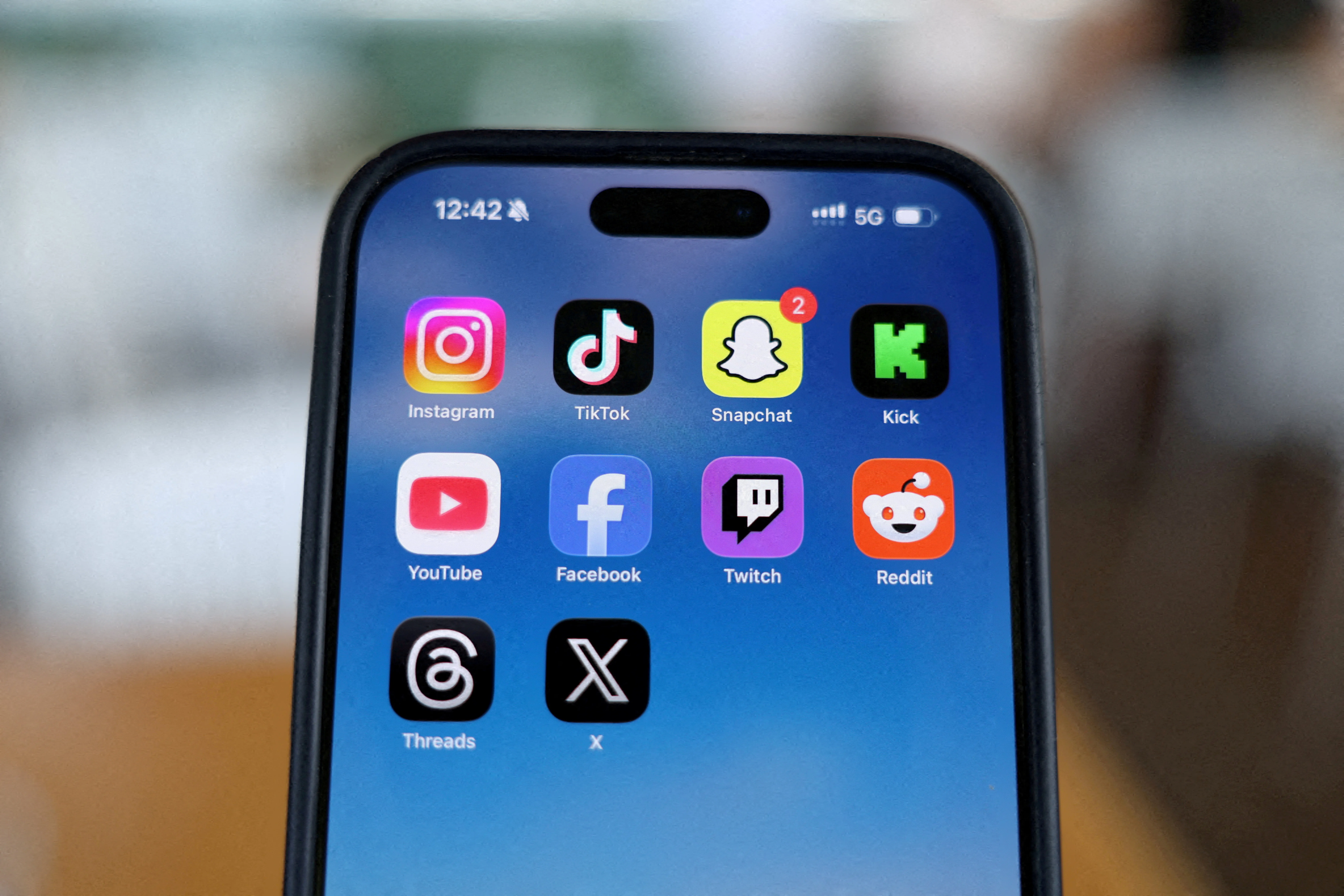
India's move aligns with a broader trend of increasing restrictions on social media use, with European countries placing limitations on teenage access and Australia banning it entirely for minors, sources noted.