 مملكة البحرين تفعل المادة الثانية من اتفاقية التكامل الأمني والازدهار الشامل (C-SIPA) مع أمريكا وبريطانيا
7 أيام من الحرب.. تسلسل زمني لضربات متبادلة غيرت وجه المنطقة
مع تصاعد الحرب.. فرنسا ترسل حاملة مروحيات إلى المتوسط
إسرائيل وإيران وصراع الهيمنة على الشرق الأوسط
الاقتصاد في زمن الأزمات كيف تحافظ دول الخليج والأردن على الاستقرار ؟
شباب صينيون مستعربون: نخلات سامقات تثمر تعارفا وتقاربا تحت سماء الصداقة
سلامات للزميل بسام الرقاد
أجواء لطيفة اليوم وانخفاض طفيف على الحرارة خلال الأيام المقبلة
سكر الدم منتصف رمضان.. الجسم يتكيف ويحول الطاقة بذكاء
النظام الغذائي الغني بالدهون قد يزيد خطر أمراض الكبد
الامن العام :الدفاع المدني يخمد حريقاً شب في مستودع يحتوي على أخشاب في محافظة العاصمة
توقيع مذكرة تفاهم بين أبوغزاله وشركاه للاستشارات و MCC مينا الاستشارية لتعزيز استشارات الأمن الدوائي
الأمن: مقتل رجل طعنا على يد زوجته في عمّان
الملك لرئيس وزراء كندا: ضرورة ضبط النفس واستخدام الحوار لحل الأزمات
اغتيال الشخصية.. حين يتحول "التشويه" إلى سلاح لتقويض العمل العام
(وسائط متعددة) الصين تعتزم تطوير الاقتصاد الذكي وتعزيز التنمية الرقمية والذكية
(وسائط متعددة) تقرير: الصين تحقق إنجازات جديدة كبيرة خلال فترة 2021-2025
الأمن يكشف تفاصيل وفاة مسنّة على يد حفيدها بقصد السرقة
إغلاق جزئي وتحويلات مرورية في طبربور الجمعة
بيان صادر عن النائب طلال النسور حول مشروع تعديل قانون الضمان الاجتماعي
مملكة البحرين تفعل المادة الثانية من اتفاقية التكامل الأمني والازدهار الشامل (C-SIPA) مع أمريكا وبريطانيا
7 أيام من الحرب.. تسلسل زمني لضربات متبادلة غيرت وجه المنطقة
مع تصاعد الحرب.. فرنسا ترسل حاملة مروحيات إلى المتوسط
إسرائيل وإيران وصراع الهيمنة على الشرق الأوسط
الاقتصاد في زمن الأزمات كيف تحافظ دول الخليج والأردن على الاستقرار ؟
شباب صينيون مستعربون: نخلات سامقات تثمر تعارفا وتقاربا تحت سماء الصداقة
سلامات للزميل بسام الرقاد
أجواء لطيفة اليوم وانخفاض طفيف على الحرارة خلال الأيام المقبلة
سكر الدم منتصف رمضان.. الجسم يتكيف ويحول الطاقة بذكاء
النظام الغذائي الغني بالدهون قد يزيد خطر أمراض الكبد
الامن العام :الدفاع المدني يخمد حريقاً شب في مستودع يحتوي على أخشاب في محافظة العاصمة
توقيع مذكرة تفاهم بين أبوغزاله وشركاه للاستشارات و MCC مينا الاستشارية لتعزيز استشارات الأمن الدوائي
الأمن: مقتل رجل طعنا على يد زوجته في عمّان
الملك لرئيس وزراء كندا: ضرورة ضبط النفس واستخدام الحوار لحل الأزمات
اغتيال الشخصية.. حين يتحول "التشويه" إلى سلاح لتقويض العمل العام
(وسائط متعددة) الصين تعتزم تطوير الاقتصاد الذكي وتعزيز التنمية الرقمية والذكية
(وسائط متعددة) تقرير: الصين تحقق إنجازات جديدة كبيرة خلال فترة 2021-2025
الأمن يكشف تفاصيل وفاة مسنّة على يد حفيدها بقصد السرقة
إغلاق جزئي وتحويلات مرورية في طبربور الجمعة
بيان صادر عن النائب طلال النسور حول مشروع تعديل قانون الضمان الاجتماعي
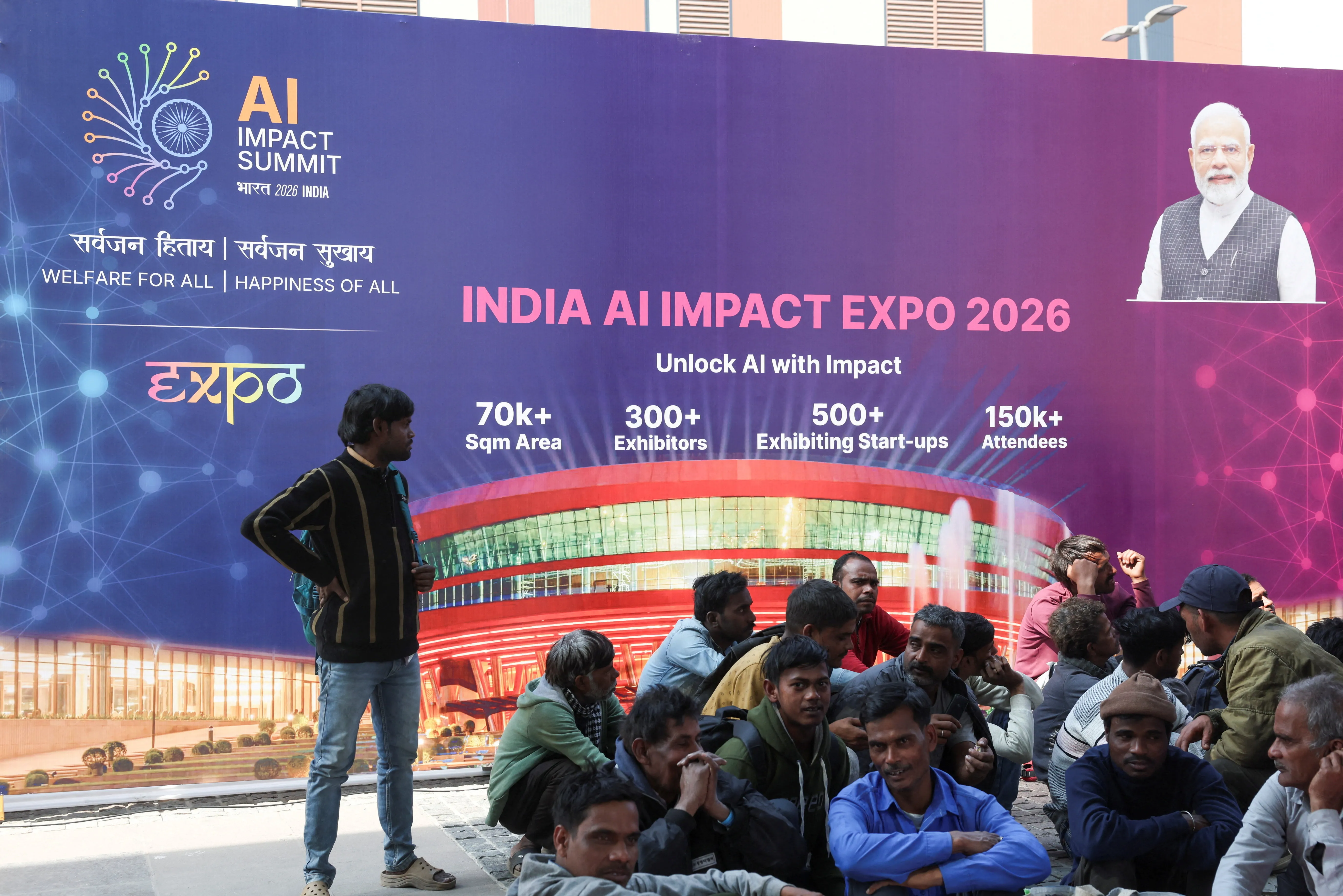
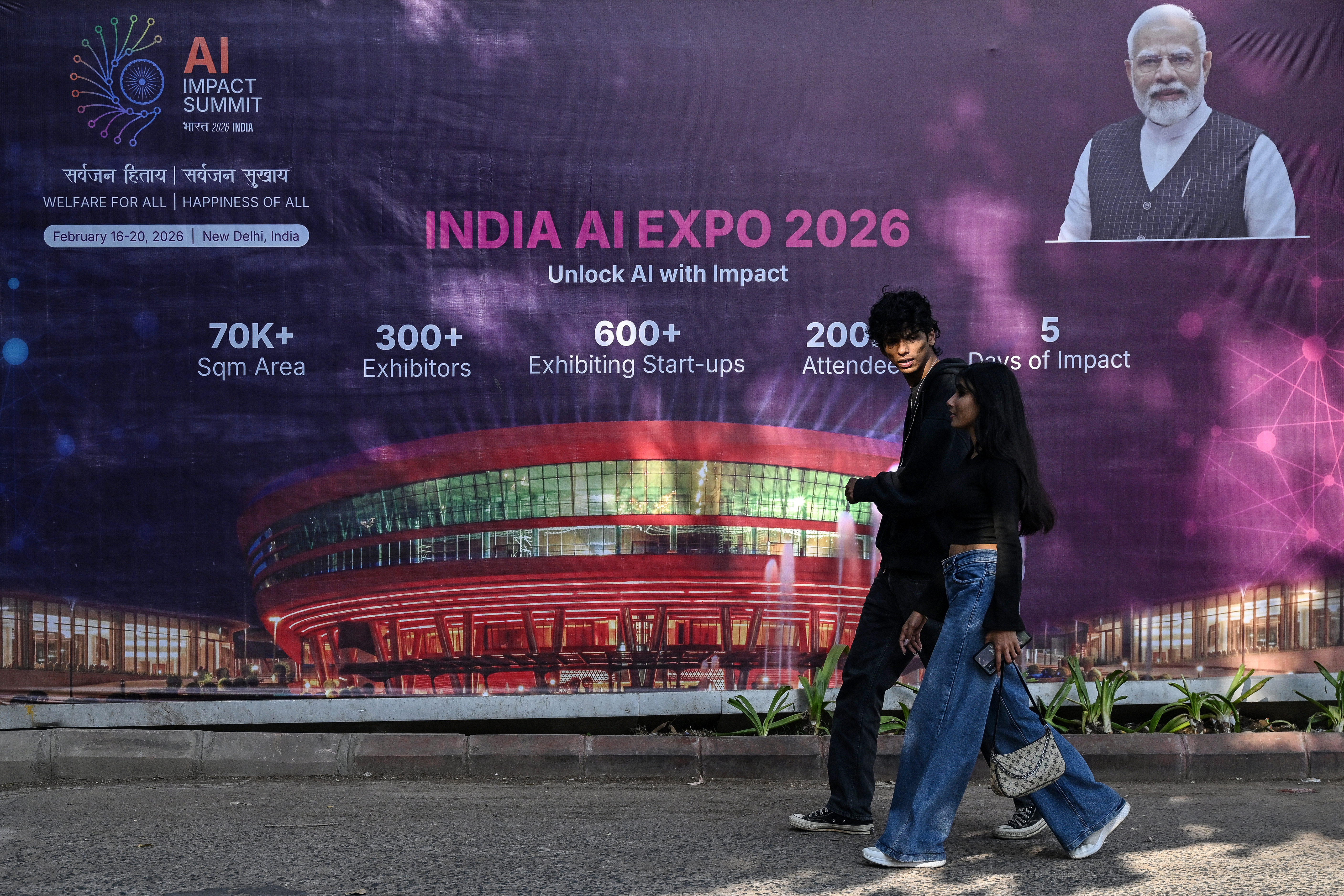
NEW DELHI - India is positioning itself as a key player in shaping the governance of artificial intelligence (AI) from the perspective of developing nations, even as it courts massive foreign investment in its burgeoning tech sector.
The "India AI Impact Summit" commenced in New Delhi, drawing international attention as a significant effort to frame AI governance through the lens of the developing world.
The summit occurs as major global corporations increase their footprint in the Indian market. Google (Alphabet), Microsoft, and Amazon have announced investment plans totaling $68 billion in AI and cloud infrastructure in India by 2030, according to reports.
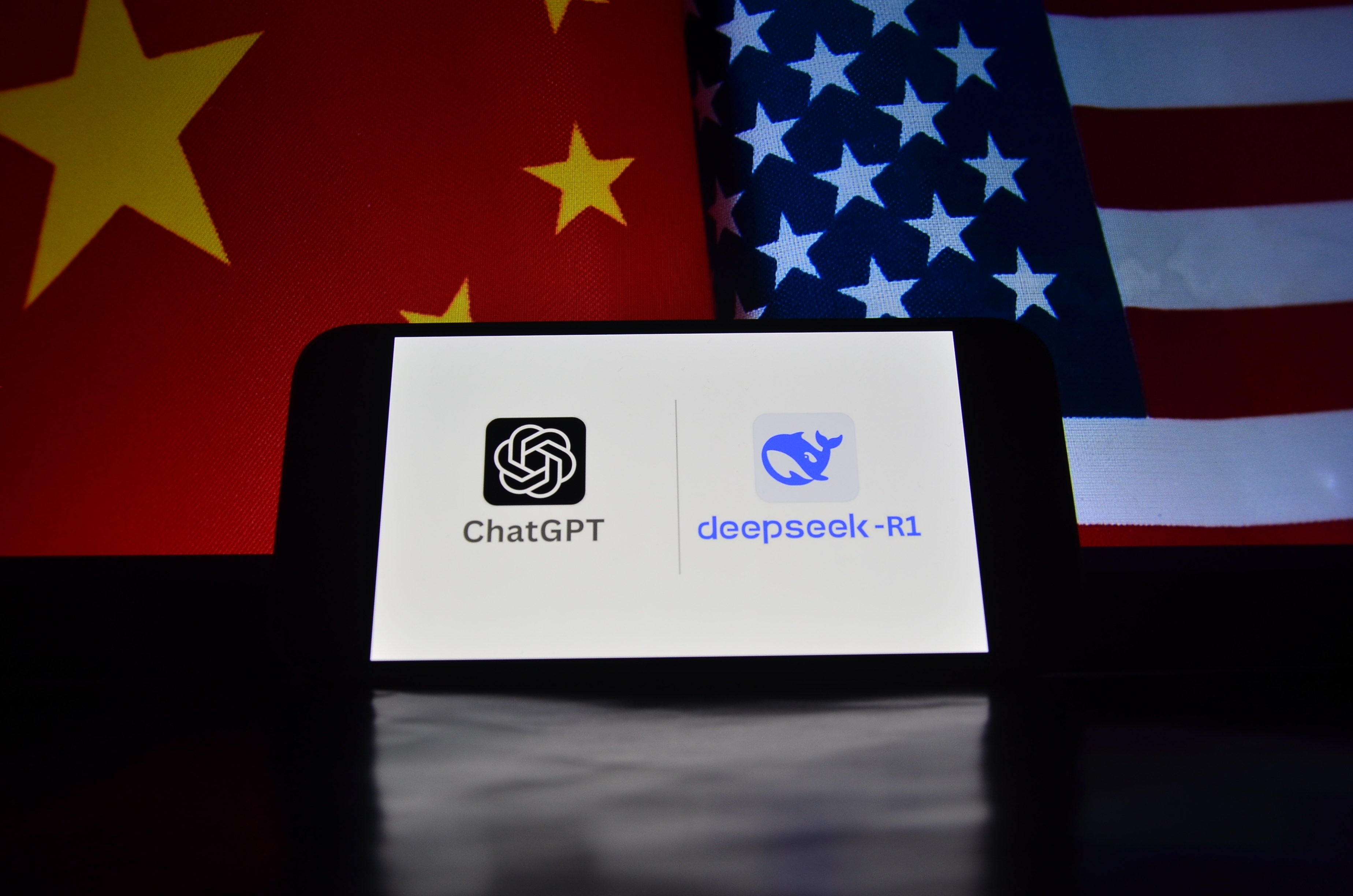
While the United States and China dominate the development of large language models, India is pursuing a different strategy. India is banking on its competitive advantage of widespread AI adoption rather than focusing on foundational model development, according to reports.
This strategy is reflected in the rapid growth of AI users in India. The number of daily ChatGPT users in India is expected to exceed 72 million by the end of 2025, making it the largest market for OpenAI globally.
The summit is expected to feature high-profile attendees, including CEOs from Alphabet, OpenAI, and Google DeepMind, as well as India's Reliance. Indian Prime Minister Narendra Modi is also scheduled to meet with French President Emmanuel Macron.
However, amidst the optimism, concerns are emerging about the potential impact of AI on India's IT sector. Investment bank Jefferies projects a potentially sharp decline in revenue for the $283 billion Indian IT sector.
Jefferies forecasts call center revenues could fall by as much as 50% by 2030 due to increased automation of jobs through AI tools.
Observers note that India is attempting to bridge the gap between cutting-edge technology and human needs, balancing investment ambitions with the protection of its large labor market.