 مملكة البحرين تفعل المادة الثانية من اتفاقية التكامل الأمني والازدهار الشامل (C-SIPA) مع أمريكا وبريطانيا
7 أيام من الحرب.. تسلسل زمني لضربات متبادلة غيرت وجه المنطقة
مع تصاعد الحرب.. فرنسا ترسل حاملة مروحيات إلى المتوسط
إسرائيل وإيران وصراع الهيمنة على الشرق الأوسط
الاقتصاد في زمن الأزمات كيف تحافظ دول الخليج والأردن على الاستقرار ؟
شباب صينيون مستعربون: نخلات سامقات تثمر تعارفا وتقاربا تحت سماء الصداقة
سلامات للزميل بسام الرقاد
أجواء لطيفة اليوم وانخفاض طفيف على الحرارة خلال الأيام المقبلة
سكر الدم منتصف رمضان.. الجسم يتكيف ويحول الطاقة بذكاء
النظام الغذائي الغني بالدهون قد يزيد خطر أمراض الكبد
الامن العام :الدفاع المدني يخمد حريقاً شب في مستودع يحتوي على أخشاب في محافظة العاصمة
توقيع مذكرة تفاهم بين أبوغزاله وشركاه للاستشارات و MCC مينا الاستشارية لتعزيز استشارات الأمن الدوائي
الأمن: مقتل رجل طعنا على يد زوجته في عمّان
الملك لرئيس وزراء كندا: ضرورة ضبط النفس واستخدام الحوار لحل الأزمات
اغتيال الشخصية.. حين يتحول "التشويه" إلى سلاح لتقويض العمل العام
(وسائط متعددة) الصين تعتزم تطوير الاقتصاد الذكي وتعزيز التنمية الرقمية والذكية
(وسائط متعددة) تقرير: الصين تحقق إنجازات جديدة كبيرة خلال فترة 2021-2025
الأمن يكشف تفاصيل وفاة مسنّة على يد حفيدها بقصد السرقة
إغلاق جزئي وتحويلات مرورية في طبربور الجمعة
بيان صادر عن النائب طلال النسور حول مشروع تعديل قانون الضمان الاجتماعي
مملكة البحرين تفعل المادة الثانية من اتفاقية التكامل الأمني والازدهار الشامل (C-SIPA) مع أمريكا وبريطانيا
7 أيام من الحرب.. تسلسل زمني لضربات متبادلة غيرت وجه المنطقة
مع تصاعد الحرب.. فرنسا ترسل حاملة مروحيات إلى المتوسط
إسرائيل وإيران وصراع الهيمنة على الشرق الأوسط
الاقتصاد في زمن الأزمات كيف تحافظ دول الخليج والأردن على الاستقرار ؟
شباب صينيون مستعربون: نخلات سامقات تثمر تعارفا وتقاربا تحت سماء الصداقة
سلامات للزميل بسام الرقاد
أجواء لطيفة اليوم وانخفاض طفيف على الحرارة خلال الأيام المقبلة
سكر الدم منتصف رمضان.. الجسم يتكيف ويحول الطاقة بذكاء
النظام الغذائي الغني بالدهون قد يزيد خطر أمراض الكبد
الامن العام :الدفاع المدني يخمد حريقاً شب في مستودع يحتوي على أخشاب في محافظة العاصمة
توقيع مذكرة تفاهم بين أبوغزاله وشركاه للاستشارات و MCC مينا الاستشارية لتعزيز استشارات الأمن الدوائي
الأمن: مقتل رجل طعنا على يد زوجته في عمّان
الملك لرئيس وزراء كندا: ضرورة ضبط النفس واستخدام الحوار لحل الأزمات
اغتيال الشخصية.. حين يتحول "التشويه" إلى سلاح لتقويض العمل العام
(وسائط متعددة) الصين تعتزم تطوير الاقتصاد الذكي وتعزيز التنمية الرقمية والذكية
(وسائط متعددة) تقرير: الصين تحقق إنجازات جديدة كبيرة خلال فترة 2021-2025
الأمن يكشف تفاصيل وفاة مسنّة على يد حفيدها بقصد السرقة
إغلاق جزئي وتحويلات مرورية في طبربور الجمعة
بيان صادر عن النائب طلال النسور حول مشروع تعديل قانون الضمان الاجتماعي
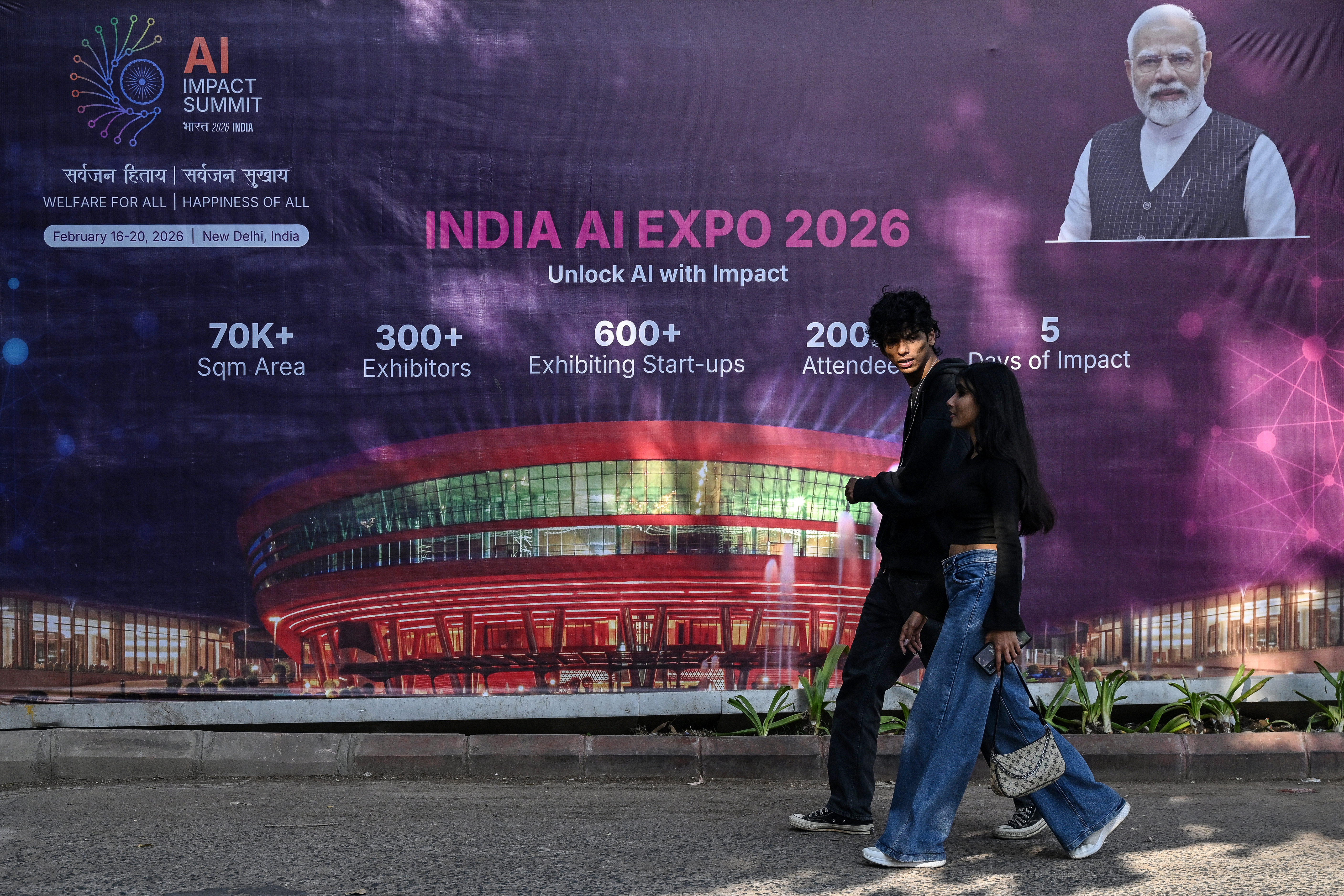
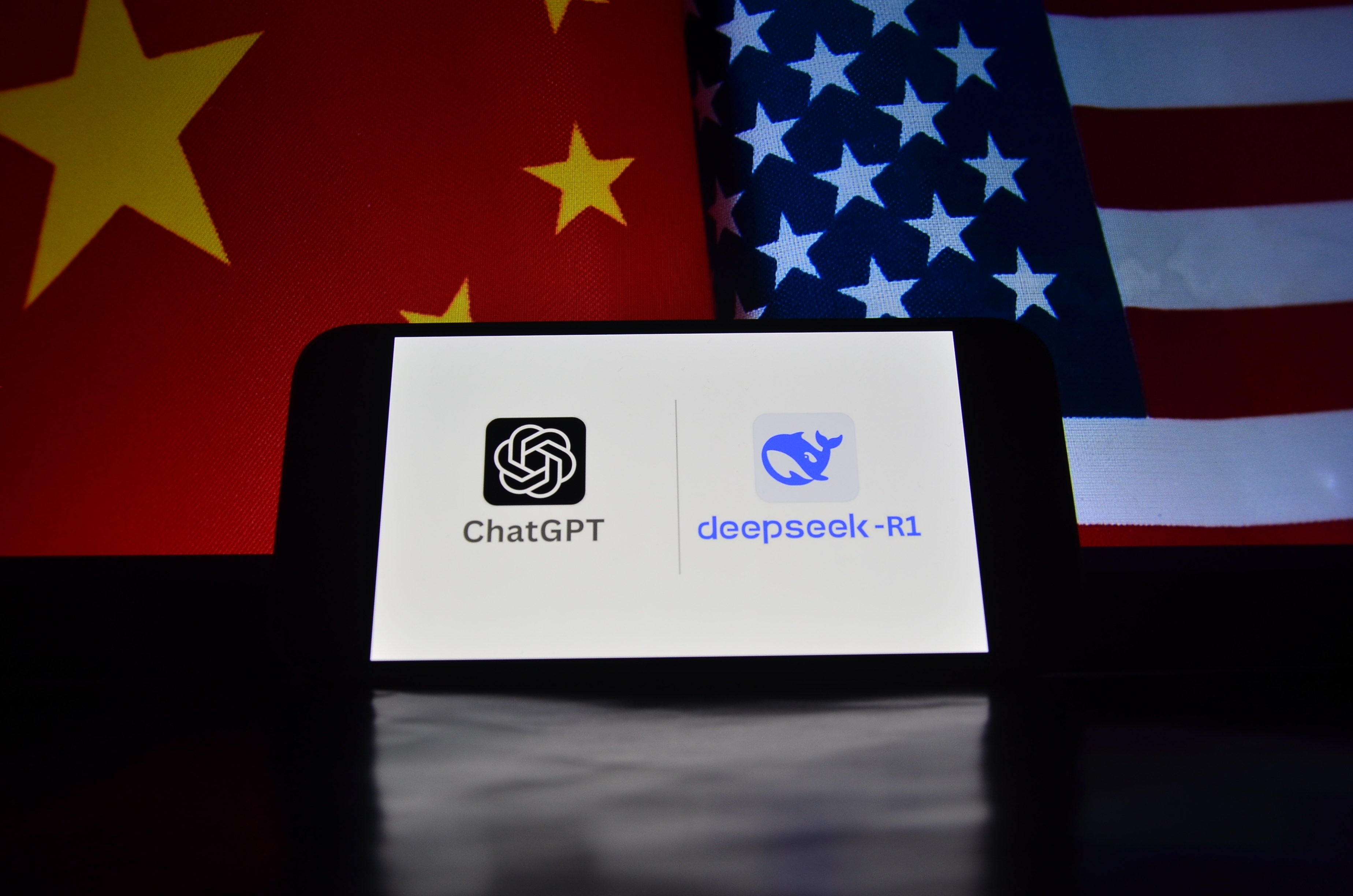
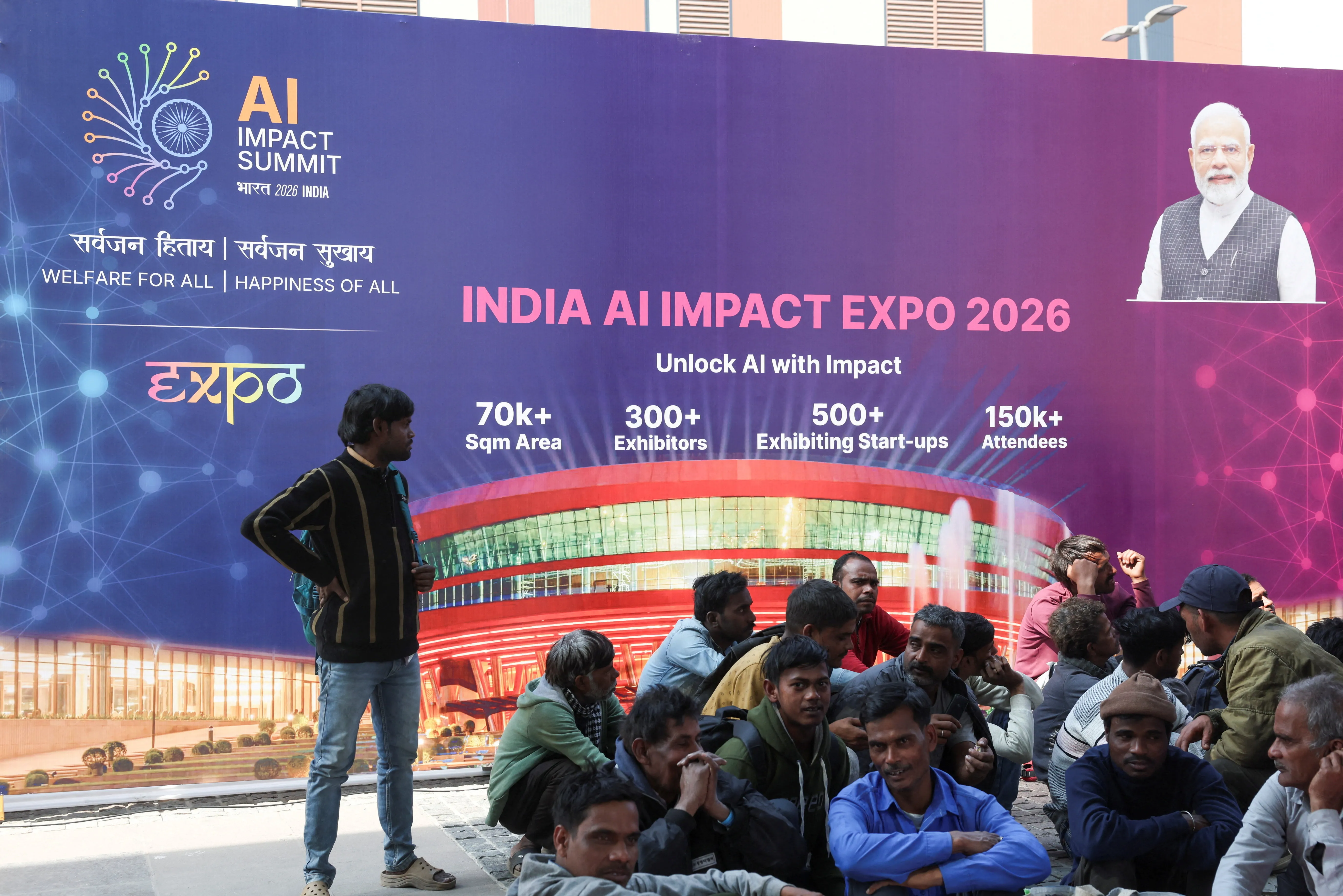
New Delhi is seeking to reshape the global artificial intelligence landscape, challenging the dominance of the United States and China. The fourth AI summit convened in the Indian capital with the explicit goal of redistributing digital power on a global scale.
India envisions transforming the summit into a platform that empowers developing nations, transitioning them from mere consumers of technology to active participants in shaping the policies and standards that will govern its future.
The summit's agenda focuses on integrating the needs of developing countries into ethical and technical discussions, particularly concerning the impact of AI on crucial sectors like healthcare, education, and agriculture. This reflects New Delhi's pursuit of what it terms "digital justice," aiming to give the Global South a significant voice in shaping global technology policies.
According to Moaath Al-Subaie, an advisor on sovereign AI and digital transformation, AI presents a major economic opportunity. However, he notes that developing nations largely remain consumers, rather than producers or designers, of these technologies, especially in the realm of generative AI.
Al-Subaie, speaking to Al Jazeera, highlighted the United States and China's leading positions in digital infrastructure, AI models, and technological value chains.
He emphasized that the New Delhi summit distinguishes itself through its focus on governance, seeking to reposition developing countries within the technological decision-making process, contrasting with other platforms that have primarily emphasized economic and financial aspects. He argues that the issue is not merely investment but a fundamental reshaping of the digital rules of the game.
However, Al-Subaie identifies two primary challenges to this ambition. Firstly, major powers view AI as a matter of national security and strategic advantage, making it unrealistic to expect them to relinquish their leadership without international pressure. Secondly, there is a significant investment gap in infrastructure and skills within developing countries.
Despite these challenges, he points out that the Global South represents the majority of the world's population and will be the primary user base for these technologies in the future. Global companies require extensive data and markets, which gives these countries potential leverage.
Al-Subaie outlined three conditions for strengthening this role: building integrated innovation ecosystems, coordinating positions among developing countries, and possessing infrastructure that enhances digital sovereignty.
While the United States and China dominate the development of large language models, India is pursuing a different strategy. Reports suggest that India is banking on its competitive advantage in "large-scale usage" rather than developing foundational models.
This strategy is reflected in the substantial growth of users. The number of daily ChatGPT users in India surpassed 72 million by the end of 2025, making it the largest market for OpenAI globally.