 الأمن: مقتل رجل طعنا على يد زوجته في عمّان
الملك لرئيس وزراء كندا: ضرورة ضبط النفس واستخدام الحوار لحل الأزمات
اغتيال الشخصية.. حين يتحول "التشويه" إلى سلاح لتقويض العمل العام
(وسائط متعددة) الصين تعتزم تطوير الاقتصاد الذكي وتعزيز التنمية الرقمية والذكية
(وسائط متعددة) تقرير: الصين تحقق إنجازات جديدة كبيرة خلال فترة 2021-2025
الأمن يكشف تفاصيل وفاة مسنّة على يد حفيدها بقصد السرقة
إغلاق جزئي وتحويلات مرورية في طبربور الجمعة
بيان صادر عن النائب طلال النسور حول مشروع تعديل قانون الضمان الاجتماعي
جمعية الفنادق تحتفي بأمسية لممثلي القطاع السياحي
وفاة أكبر معمر في الطفيلة عن أكثر من 100 عام
الاستهدافات الإيرانية لدول مجلس التعاون الخليجي والأردن تحوّل في معادلة الردع أم انزلاق نحو إعادة تشكيل الإقليم؟
الأمن العام يتعامل مع 187 بلاغاً لحادث سقوط شظايا
الملك يتلقى اتصالات هاتفية لبحث تطورات الأوضاع في المنطقة
الملك والرئيس السوري يبحثان هاتفيًا الأوضاع الإقليمية الخطيرة
رئيس هيئة الأركان المشتركة يزور كلية الدفاع الوطني وكلية القيادة والاركان
قطر تعلن اعتراض 13 صاروخاً و4 مسيّرات في عدة موجات الخميس
السفيرة سماره تقدم أوراق اعتمادها للرئيس الكيني
العيسوي ينقل تعازي الملك وولي العهد إلى عشيرة العمري
التنمية: ضبط 885 متسولًا خلال شباط الماضي
"الأمانة" تخالف 163 منشأة لعدم التزامها بالاشتراطات الصحية
الأمن: مقتل رجل طعنا على يد زوجته في عمّان
الملك لرئيس وزراء كندا: ضرورة ضبط النفس واستخدام الحوار لحل الأزمات
اغتيال الشخصية.. حين يتحول "التشويه" إلى سلاح لتقويض العمل العام
(وسائط متعددة) الصين تعتزم تطوير الاقتصاد الذكي وتعزيز التنمية الرقمية والذكية
(وسائط متعددة) تقرير: الصين تحقق إنجازات جديدة كبيرة خلال فترة 2021-2025
الأمن يكشف تفاصيل وفاة مسنّة على يد حفيدها بقصد السرقة
إغلاق جزئي وتحويلات مرورية في طبربور الجمعة
بيان صادر عن النائب طلال النسور حول مشروع تعديل قانون الضمان الاجتماعي
جمعية الفنادق تحتفي بأمسية لممثلي القطاع السياحي
وفاة أكبر معمر في الطفيلة عن أكثر من 100 عام
الاستهدافات الإيرانية لدول مجلس التعاون الخليجي والأردن تحوّل في معادلة الردع أم انزلاق نحو إعادة تشكيل الإقليم؟
الأمن العام يتعامل مع 187 بلاغاً لحادث سقوط شظايا
الملك يتلقى اتصالات هاتفية لبحث تطورات الأوضاع في المنطقة
الملك والرئيس السوري يبحثان هاتفيًا الأوضاع الإقليمية الخطيرة
رئيس هيئة الأركان المشتركة يزور كلية الدفاع الوطني وكلية القيادة والاركان
قطر تعلن اعتراض 13 صاروخاً و4 مسيّرات في عدة موجات الخميس
السفيرة سماره تقدم أوراق اعتمادها للرئيس الكيني
العيسوي ينقل تعازي الملك وولي العهد إلى عشيرة العمري
التنمية: ضبط 885 متسولًا خلال شباط الماضي
"الأمانة" تخالف 163 منشأة لعدم التزامها بالاشتراطات الصحية
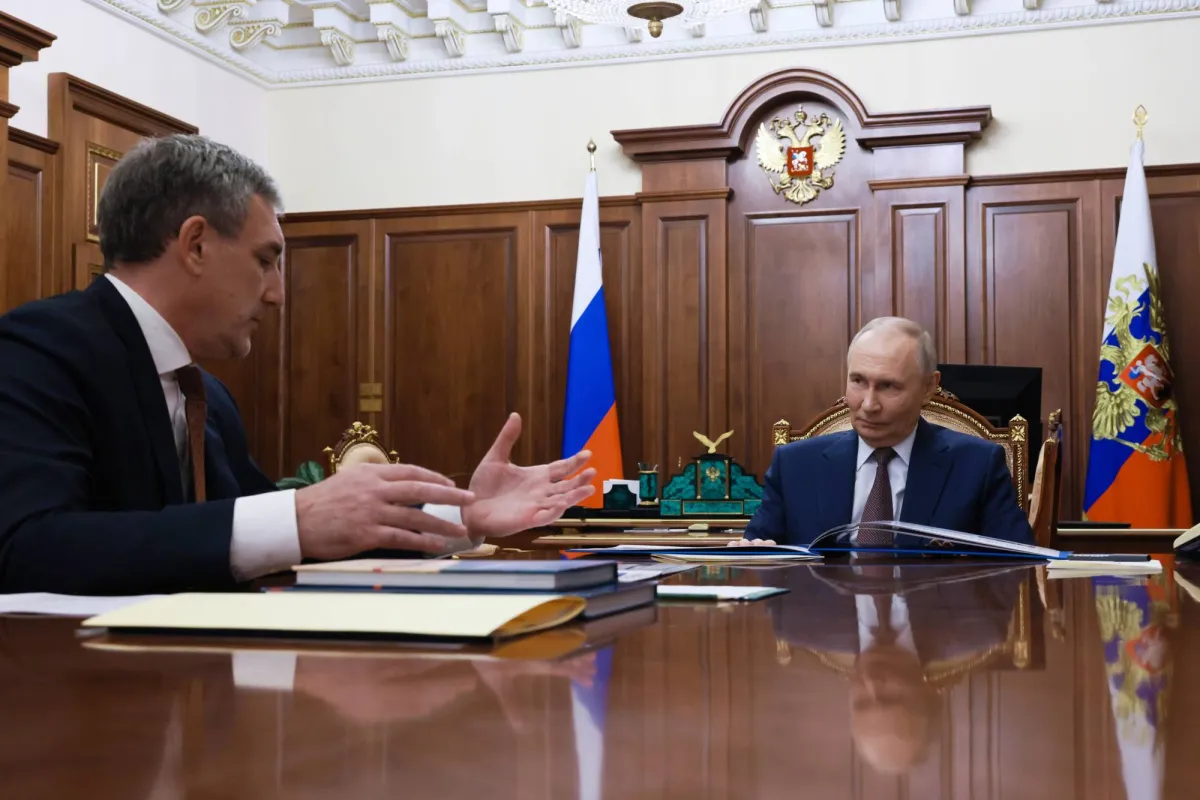
Russian President Vladimir Putin has asserted that recent U.S. and Israeli military actions have derailed progress in negotiations regarding Iran's nuclear program. Putin conveyed this message during separate phone conversations with UAE President Mohamed bin Zayed and Qatar's Emir Sheikh Tamim bin Hamad on Monday, offering support to both nations and signaling Russia's readiness to communicate with Tehran.
According to the Kremlin, Putin expressed to the UAE president his conviction that the U.S.-Israeli actions had undermined advancements in the Iranian nuclear talks. He stated that the progress was disrupted by what he described as an unjustified armed act against a sovereign state and a member of the United Nations, constituting a blatant violation of international law principles.
Putin highlighted the significant efforts made by Moscow and Abu Dhabi to resolve the crisis and reach compromises. He also thanked the Emirati president for assisting Russian citizens in the UAE who found themselves in difficult situations.
The Kremlin reported that the UAE president acknowledged the damage caused by retaliatory Iranian strikes and the threat posed to civilians. In response, Putin expressed his willingness to send "signals" to Tehran.
Both leaders reaffirmed their commitment to a ceasefire and agreed to maintain communication. Earlier on Monday, Putin also discussed the regional situation with the Emir of Qatar. The Kremlin stated that both leaders voiced their concerns regarding the risk of escalating conflict and the involvement of third-party nations.
During their call, both parties emphasized the importance of ensuring that Iranian retaliatory actions do not harm civilians or civilian infrastructure. The Emir of Qatar thanked Putin for his support to the region, and affirmed that cooperation with Moscow remains a priority for Doha, according to the Kremlin's statement.
Moscow had previously criticized the military operation initiated by the U.S. and Israel against Iran.
The Russian Foreign Ministry issued a statement condemning the military operation, describing it as a blow to international law. The ministry indicated that the strikes targeted not only military sites but also civilian infrastructure in Iran and other countries in the region.
Russia asserted that the actions undertaken by Washington and Tel Aviv were unrelated to preserving the nuclear non-proliferation regime and called for a return to negotiations.
Foreign Minister Sergey Lavrov emphasized Moscow's readiness to facilitate a resolution, including through the UN Security Council.