 جمعية الأطباء الأردنيين في ألمانيا تؤكد استعدادها لعلاج يزن النعيمات
عمر الكعابنة يهنّئ الدكتور حسان العدوان بمناسبة نيله الدكتوراه في الإذاعة والتلفزيون بامتياز
ما بين التغيرات المناخية وإخفاقات الإدارة وتحوّلات الإقليم: كيف دخل الأردن معركة المياه؟
أخلاق الطبيب بين القَسَم وإغراء السوشيال ميديا
إيرادات شباك التذاكر في الصين لعام 2025 تتجاوز 50 مليار يوان
الحاجة عليا محمد أحمد الخضراوي في ذمة الله
وصول قافلة المساعدات الأردنية إلى الجمهورية اليمنية
جامعة البلقاء التطبيقية توقّع مذكرة تفاهم مع شركة أدوية الحكمة لتعزيز تدريب الطلبة والخريجين
وزارة المياه والري : ضبط أكثر من 1411 اعتداء على خطوط المياه خلال شهر تشرين ثاني
اللواء المعايطة يحاضر في كلية الدفاع الوطني الملكية الأردنية، ويؤكد على تكامل الأدوار بين المؤسسات الوطنية
شكر على التعازي عشائر العجارمة عامة… وعشيرة العقيل خاصة
بحث تعزيز التعاون الأكاديمي بين جامعتي عمّان الأهلية وفلسطين الأهلية
رئيس عمّان الأهلية يُكرّم الطلبة الفائزين في مسابقات وطنية
جاهة ابو عوض والقاسم .. دودين طلب وأبوالبصل أعطى
البيت العربي في مدرسة الروم الكاثوليك احتفاء بيوم اللغة العربية
كلف مواجهة الولايات المتحدة للإسلام السياسي
حماية المستهلك : تشكر نشامى الامن العام
اتحاد العمال يرحب بإطلاق حوار وطني حول التعديلات المقترحة لقانون الضمان الاجتماعي
الذكرى الأربعون لوفاة القاضي ابراهيم الطراونه
تشيلي تنتخب رئيسها وترجيحات بفوز اليمين المتطرف
جمعية الأطباء الأردنيين في ألمانيا تؤكد استعدادها لعلاج يزن النعيمات
عمر الكعابنة يهنّئ الدكتور حسان العدوان بمناسبة نيله الدكتوراه في الإذاعة والتلفزيون بامتياز
ما بين التغيرات المناخية وإخفاقات الإدارة وتحوّلات الإقليم: كيف دخل الأردن معركة المياه؟
أخلاق الطبيب بين القَسَم وإغراء السوشيال ميديا
إيرادات شباك التذاكر في الصين لعام 2025 تتجاوز 50 مليار يوان
الحاجة عليا محمد أحمد الخضراوي في ذمة الله
وصول قافلة المساعدات الأردنية إلى الجمهورية اليمنية
جامعة البلقاء التطبيقية توقّع مذكرة تفاهم مع شركة أدوية الحكمة لتعزيز تدريب الطلبة والخريجين
وزارة المياه والري : ضبط أكثر من 1411 اعتداء على خطوط المياه خلال شهر تشرين ثاني
اللواء المعايطة يحاضر في كلية الدفاع الوطني الملكية الأردنية، ويؤكد على تكامل الأدوار بين المؤسسات الوطنية
شكر على التعازي عشائر العجارمة عامة… وعشيرة العقيل خاصة
بحث تعزيز التعاون الأكاديمي بين جامعتي عمّان الأهلية وفلسطين الأهلية
رئيس عمّان الأهلية يُكرّم الطلبة الفائزين في مسابقات وطنية
جاهة ابو عوض والقاسم .. دودين طلب وأبوالبصل أعطى
البيت العربي في مدرسة الروم الكاثوليك احتفاء بيوم اللغة العربية
كلف مواجهة الولايات المتحدة للإسلام السياسي
حماية المستهلك : تشكر نشامى الامن العام
اتحاد العمال يرحب بإطلاق حوار وطني حول التعديلات المقترحة لقانون الضمان الاجتماعي
الذكرى الأربعون لوفاة القاضي ابراهيم الطراونه
تشيلي تنتخب رئيسها وترجيحات بفوز اليمين المتطرف
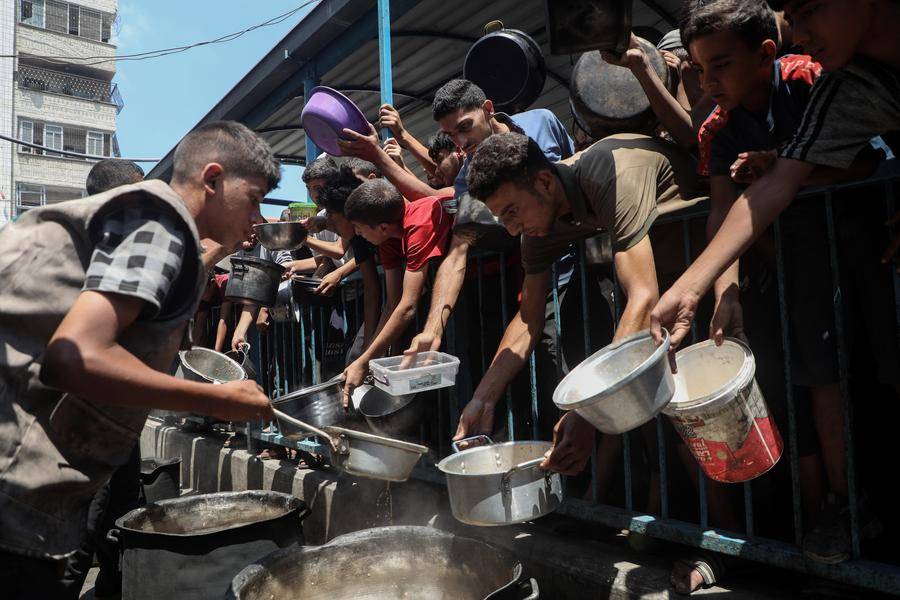
From Gaza to Sudan, Syria to Yemen, relentless conflicts have triggered waves of humanitarian catastrophes.
World Humanitarian Day began as a tribute, but today it is a solemn reminder of the human capacity for cruelty and atrocity still widely evident in the Middle East.
From Gaza to Sudan, Syria to Yemen, relentless conflicts have triggered waves of humanitarian catastrophes, revealing a stark reality: even in an era of AI breakthroughs and interplanetary ambition, humanity's deadliest enemies remain hunger, deprivation, and the absence of safety.
In Gaza, where roughly 2 million people are packed into a strip of land of just 45 square km, the toll of conflicts is staggering. Local health authorities report more than 62,000 deaths since this round of conflicts broke out, including an estimated 18,000 children. The healthcare system has collapsed, and famine-related malnutrition has claimed over 260 lives.
In Sudan, relentless fighting has uprooted 12 million people -- nearly a quarter of the population -- leaving two-thirds dependent on a cripplingly underfunded aid system. In Yemen and Syria, more than a decade of war, siege and economic collapse has condemned millions to abject poverty, with hunger and disease lurking at every turn.
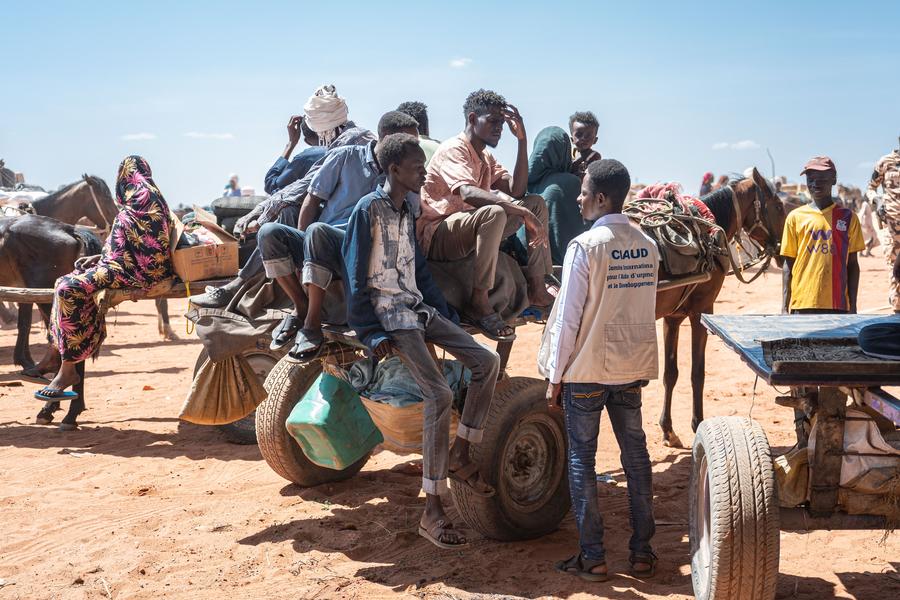
These are not natural disasters -- they are deliberate acts of human destruction. Modern warfare does more than kill. It systematically erases the foundations of survival. Hospitals, schools, water sources and power grids are not collateral damage -- they are targets, ensuring that violence begets famine, disease and generational ruin.
Blockades turn siege into slow death. In Gaza, Sudan and Yemen, restrictions on food, fuel and medicine have pushed civilians toward starvation. The United Nations calls these acts illegal.
Even humanitarian aid, the last thread of hope, has been weaponized. In Gaza, the Gaza Humanitarian Foundation, backed by Israel and the United States, has sidelined UN agencies as primary aid distributors. Meanwhile, the UN human rights office reported that since late May, around 1,800 people have been killed while seeking aid.
Israel has disputed the figures, and the foundation has denied culpability. However, the truth is plain: humanitarian work is now a battleground.

Humanitarian workers have not been spared from danger. The United Nations Relief and Works Agency for Palestine Refugees in the Near East (UNRWA) reports that nearly 360 of its team members have been killed in Gaza since the current conflicts began -- a stark reminder that even those dedicated to saving lives are not safe.
At this critical juncture, the international community must forge a shared framework of responsibility to press all sides involved in the conflicts toward a ceasefire. Without silencing the guns, there can be no space for relief, let alone for rebuilding shattered lives.
Ceasefire, however, cannot stand alone. It must be paired with unimpeded humanitarian access -- through internationally monitored safe corridors that guarantee aid workers and supplies can reach those in need without obstruction or intimidation. Anything less would amount to abandoning civilians to despair.