 Milan-Cortina 2026 Olympic Winter Games: freestyle skiing women's freeski slopestyle qualification
Orange Jordan Sponsors Al Hussein Technical University’s "Leadathon"
The CEO of Orange Jordan Visits Yarmouk University President to Strengthen the Strategic Partnership
*Orange Jordan Showcases Fabrication Lab Innovations at the Makers’ Forum
3 Winners at Orange Summer Challenge 2024 Join the “Social Innovation” Journey Fostering "Tech4Impact”
Estarta Named Cisco Systems' Distinguished Supplier of the Year 2024
Milan-Cortina 2026 Olympic Winter Games: freestyle skiing women's freeski slopestyle qualification
Orange Jordan Sponsors Al Hussein Technical University’s "Leadathon"
The CEO of Orange Jordan Visits Yarmouk University President to Strengthen the Strategic Partnership
*Orange Jordan Showcases Fabrication Lab Innovations at the Makers’ Forum
3 Winners at Orange Summer Challenge 2024 Join the “Social Innovation” Journey Fostering "Tech4Impact”
Estarta Named Cisco Systems' Distinguished Supplier of the Year 2024
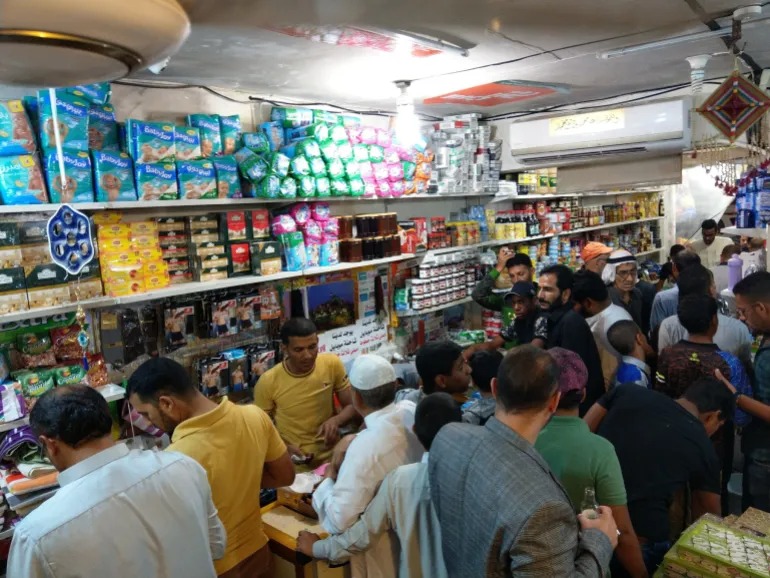
Several Arab nations, including Qatar, the UAE, Kuwait, Iraq, and Jordan, have issued statements assuring the availability of essential goods in their markets, despite escalating regional tensions.
The respective ministries of economy, trade, and industry in these countries affirmed that supply chains remain intact and are operating as planned.
Jordan's Minister of Industry, Trade, and Supply, Yaarab al-Qudah, stated that the country's strategic reserves of essential food commodities are secure and sufficient to meet local market needs for a comfortable period. He emphasized the ministry's daily monitoring of stock levels to ensure continuous availability and its preparedness with contingency plans to manage evolving regional circumstances, ensuring the smooth operation of supply chains and the provision of goods to the local market and production inputs.
In Iraq, Minister of Trade Atheer al-Ghurairi highlighted the availability of a strategic grain reserve sufficient for a full year, along with food supplies for over six months. This, he said, reinforces food security and price stability in the markets. Al-Ghurairi added that all necessary precautions have been taken to counter any potential economic repercussions from security developments in the Middle East, with supply operations continuing via land routes to ensure the smooth flow of goods and maintain domestic market stability.
Kuwait's Ministry of Commerce and Industry reported that the country's strategic stock of essential food commodities is in a normal and sufficient state, with additional quantities available to cover extended periods for basic materials. The ministry affirmed that supply chains are operating normally without interruption and that approved emergency plans are being implemented to ensure food security sustainability, diversify import sources, and strengthen reserves against any regional and global developments. Furthermore, the ministry issued a decision prohibiting the export of all types of food commodities without prior written approval from the Minister of Commerce and Industry, in order to protect consumers and enhance market stability. Another decision was issued to fix the selling prices of all types of goods, setting the prices prevailing before February 28 as the upper limit.
The Ministry of Economy in the United Arab Emirates (UAE) asserted the sufficient availability of basic food commodities in the markets. The ministry stated that the UAE's strategic stock is highly efficient and comprehensive, ensuring continuous supply in the long term, and emphasized that there are no indications of supply disruptions, with the import of goods proceeding as required and planned.
Qatar's Ministry of Commerce and Industry confirmed the availability of goods and products at various sales outlets in the country, ensuring adequate and regular fulfillment of consumer needs. The ministry urged adherence to official guidelines, purchasing according to need, and promoting a culture of conscious consumption. It advised relying only on official sources and avoiding rumors that may lead to excessive storage without need, noting that excessive storage leads to spoilage of goods due to non-use. Consumers were encouraged to purchase only actual needs, sufficient for a reasonable period for the family, and to prepare a prior list by identifying essential goods and adhering to it to avoid random purchases, as well as diversifying purchasing outlets to take advantage of alternatives and reduce pressure on a specific point of sale.