 Milan-Cortina 2026 Olympic Winter Games: freestyle skiing women's freeski slopestyle qualification
Orange Jordan Sponsors Al Hussein Technical University’s "Leadathon"
The CEO of Orange Jordan Visits Yarmouk University President to Strengthen the Strategic Partnership
*Orange Jordan Showcases Fabrication Lab Innovations at the Makers’ Forum
3 Winners at Orange Summer Challenge 2024 Join the “Social Innovation” Journey Fostering "Tech4Impact”
Estarta Named Cisco Systems' Distinguished Supplier of the Year 2024
Milan-Cortina 2026 Olympic Winter Games: freestyle skiing women's freeski slopestyle qualification
Orange Jordan Sponsors Al Hussein Technical University’s "Leadathon"
The CEO of Orange Jordan Visits Yarmouk University President to Strengthen the Strategic Partnership
*Orange Jordan Showcases Fabrication Lab Innovations at the Makers’ Forum
3 Winners at Orange Summer Challenge 2024 Join the “Social Innovation” Journey Fostering "Tech4Impact”
Estarta Named Cisco Systems' Distinguished Supplier of the Year 2024
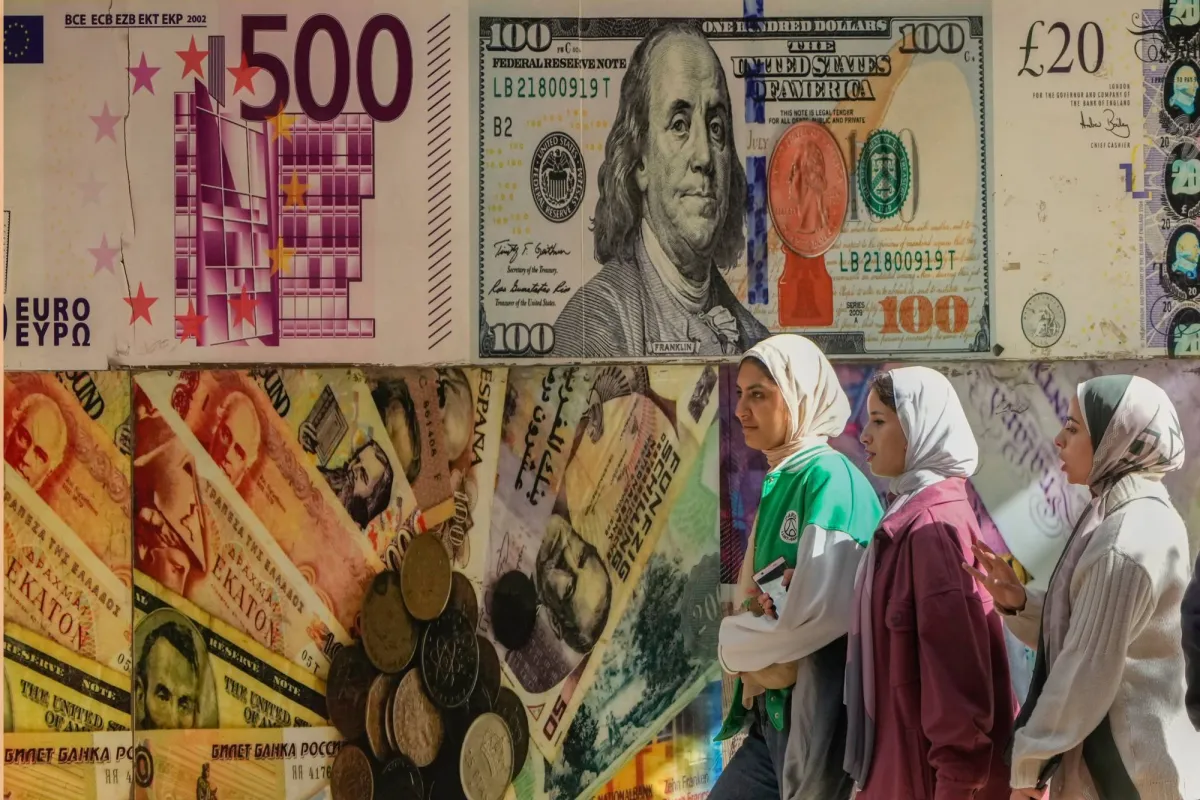
Egypt's non-oil private sector experienced a contraction in February, marking the first decline in four months, according to the S&P Global Egypt Purchasing Managers’ Index™ (PMI®).
The downturn was attributed to weakening demand and escalating cost pressures, impacting output and new orders.
The PMI registered at 48.9 in February, down from 49.8 in January, remaining below the 50.0 threshold that separates growth from contraction. However, the index remained above its long-run average of 48.3.
New orders experienced a slight contraction, with declines observed in the manufacturing, wholesale & retail, and services sectors, while the construction sector saw an increase in new business.
Cost pressures intensified, driven by rising global commodity prices, particularly for oil and metals, leading to the most significant increase in business costs in nine months. Despite this, selling prices remained largely unchanged, with only a small proportion of companies passing on higher costs to customers.
Employment decreased for the third consecutive month, albeit at a slower pace, as companies froze hiring and reduced staff numbers.
David Owen, Senior Economist at S&P Global Market Intelligence, noted that the February PMI data indicated a slowdown in the Egyptian non-oil private sector, with activity and new order volumes declining.
Output decreased for the first time since October, with all five sub-components of the PMI pointing to a weaker business environment compared to January.