 Milan-Cortina 2026 Olympic Winter Games: freestyle skiing women's freeski slopestyle qualification
Orange Jordan Sponsors Al Hussein Technical University’s "Leadathon"
The CEO of Orange Jordan Visits Yarmouk University President to Strengthen the Strategic Partnership
*Orange Jordan Showcases Fabrication Lab Innovations at the Makers’ Forum
3 Winners at Orange Summer Challenge 2024 Join the “Social Innovation” Journey Fostering "Tech4Impact”
Estarta Named Cisco Systems' Distinguished Supplier of the Year 2024
Milan-Cortina 2026 Olympic Winter Games: freestyle skiing women's freeski slopestyle qualification
Orange Jordan Sponsors Al Hussein Technical University’s "Leadathon"
The CEO of Orange Jordan Visits Yarmouk University President to Strengthen the Strategic Partnership
*Orange Jordan Showcases Fabrication Lab Innovations at the Makers’ Forum
3 Winners at Orange Summer Challenge 2024 Join the “Social Innovation” Journey Fostering "Tech4Impact”
Estarta Named Cisco Systems' Distinguished Supplier of the Year 2024
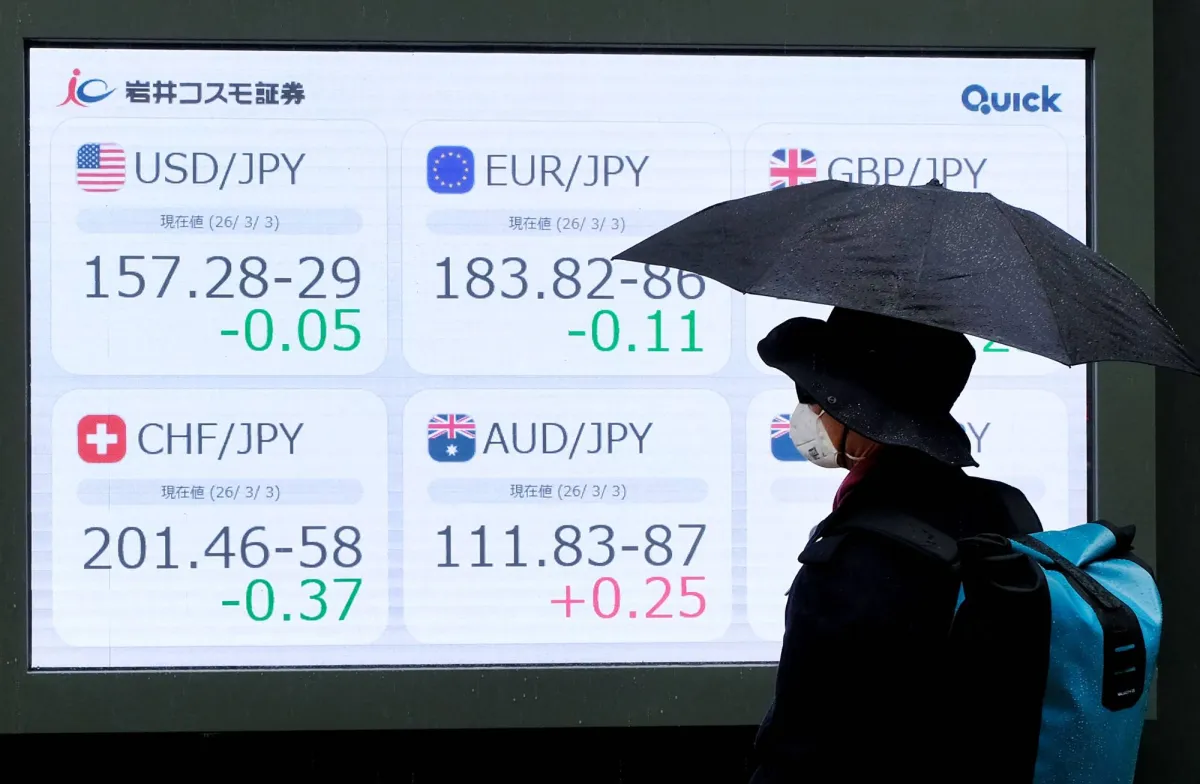
The dollar strengthened on Tuesday as escalating conflict in the Middle East and concerns about its impact on energy-importing nations pressured the euro and Japanese yen.
Heightened geopolitical uncertainty, spurred by U.S. and Israeli airstrikes and threats to shipping lanes, drove demand for the dollar as a safe-haven currency, analysts said.
The escalating tensions, including attacks in Lebanon and retaliatory actions involving drones and missiles, have prompted some countries to implement precautionary measures, such as closing oil and gas facilities.
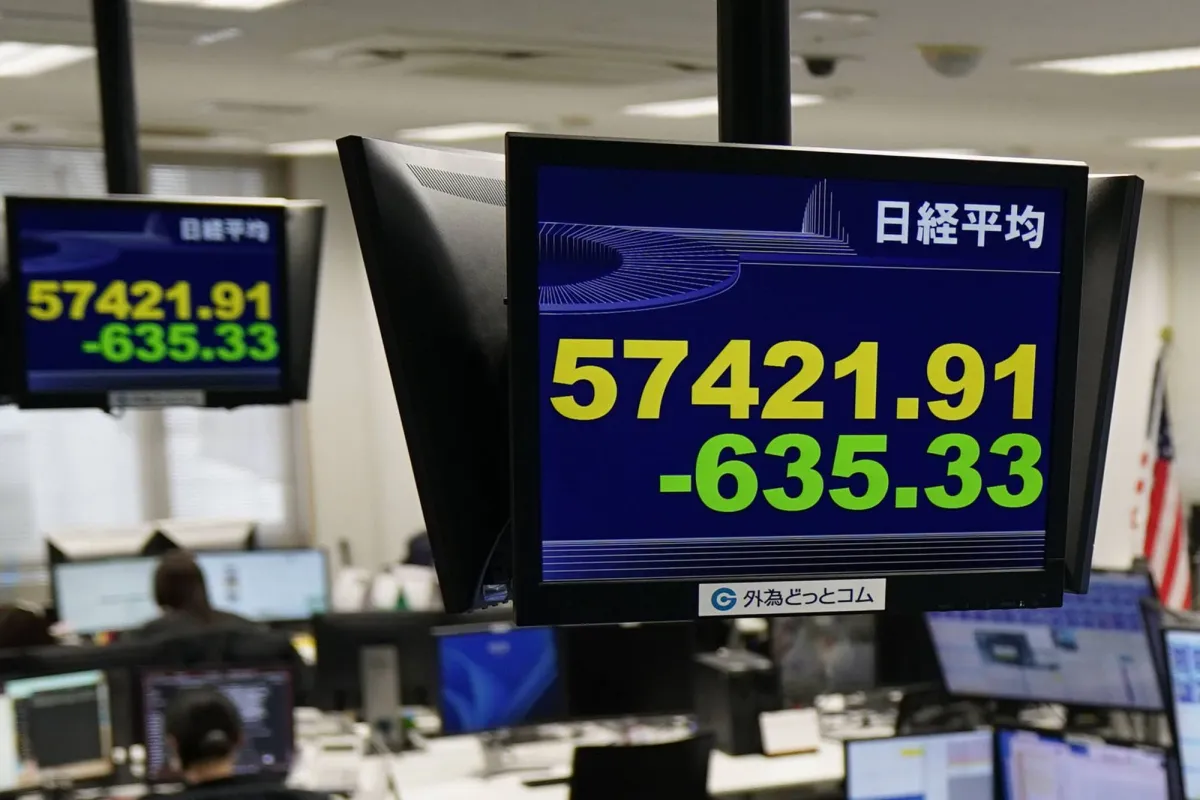
The yen is particularly vulnerable, with Japan's Finance Minister Satsuke Katayama saying intervention in currency markets remains an option. Katayama stressed officials are monitoring markets with urgency and that there's understanding with the United States on the matter.
Europe faces similar pressures due to its reliance on energy imports, exacerbated by rising energy costs, economists say.
The anticipation that persistent inflation will delay interest rate cuts by the Federal Reserve has further bolstered the dollar. Markets now anticipate a rate cut no sooner than September, a shift from earlier expectations of July.
In Japan, short-term government bond yields have risen amid expectations of a possible early interest rate hike. Bank of Japan Deputy Governor Ryuzo Himino stated that market volatility would not deter the bank from raising interest rates if necessary.
Elsewhere, the Australian dollar saw a modest gain of 0.25%. Cryptocurrency markets experienced a downturn, with Bitcoin falling by 1.53% to $68,368 and Ethereum declining by 1.64% to $2,009.