 Milan-Cortina 2026 Olympic Winter Games: freestyle skiing women's freeski slopestyle qualification
Orange Jordan Sponsors Al Hussein Technical University’s "Leadathon"
The CEO of Orange Jordan Visits Yarmouk University President to Strengthen the Strategic Partnership
*Orange Jordan Showcases Fabrication Lab Innovations at the Makers’ Forum
3 Winners at Orange Summer Challenge 2024 Join the “Social Innovation” Journey Fostering "Tech4Impact”
Estarta Named Cisco Systems' Distinguished Supplier of the Year 2024
Milan-Cortina 2026 Olympic Winter Games: freestyle skiing women's freeski slopestyle qualification
Orange Jordan Sponsors Al Hussein Technical University’s "Leadathon"
The CEO of Orange Jordan Visits Yarmouk University President to Strengthen the Strategic Partnership
*Orange Jordan Showcases Fabrication Lab Innovations at the Makers’ Forum
3 Winners at Orange Summer Challenge 2024 Join the “Social Innovation” Journey Fostering "Tech4Impact”
Estarta Named Cisco Systems' Distinguished Supplier of the Year 2024
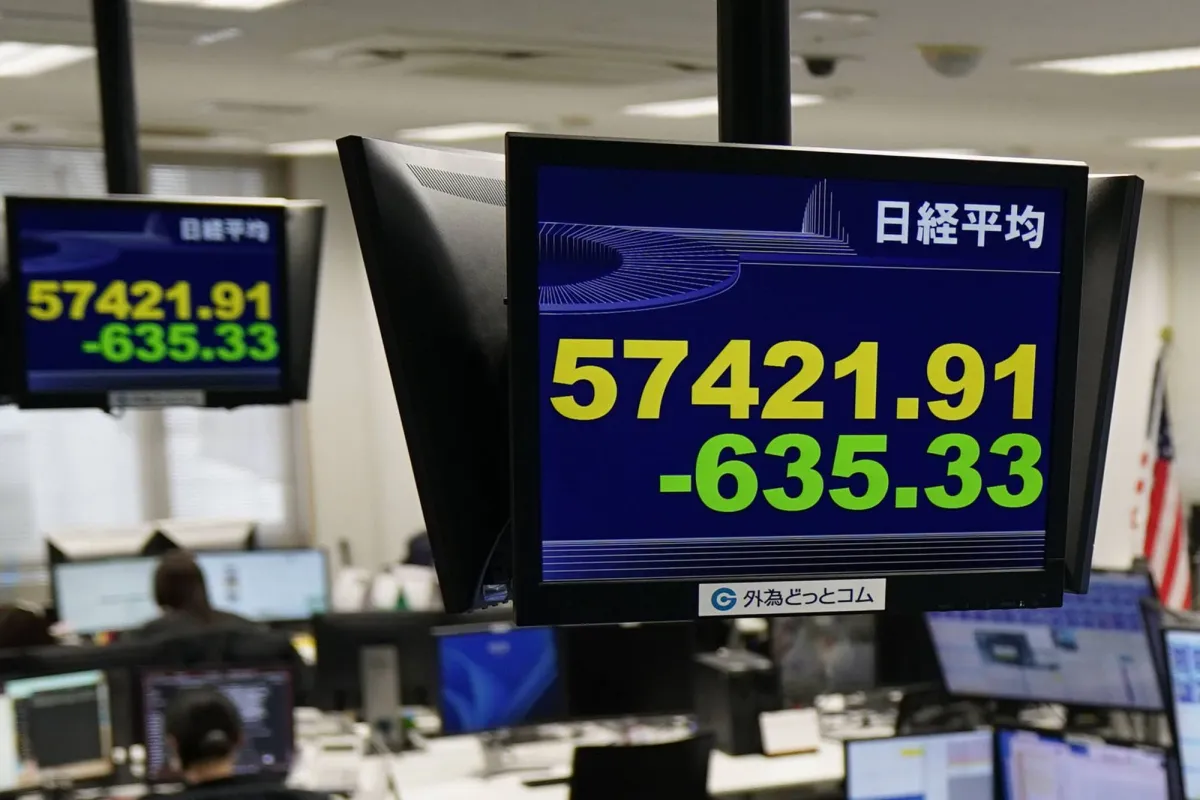
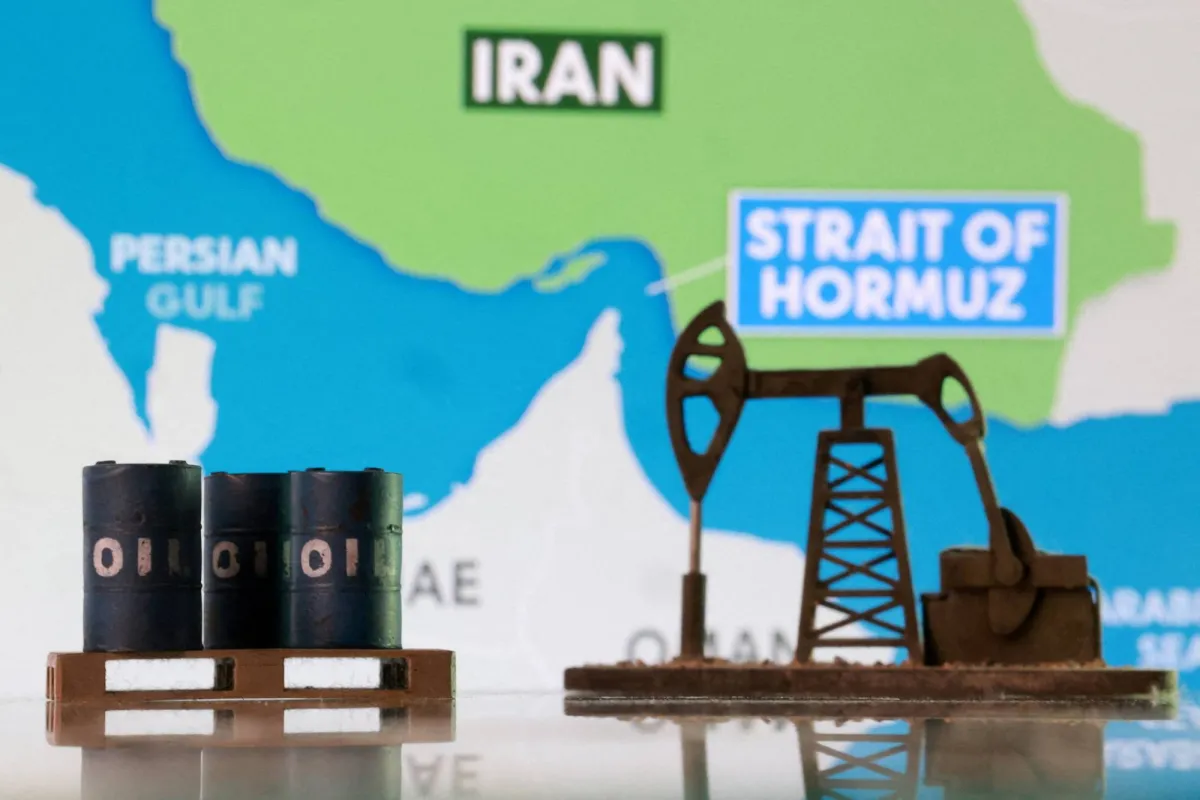
Asian stocks experienced a broad decline Tuesday as investors reacted to escalating regional tensions and their potential impact on energy supplies. Oil prices continued their ascent, reflecting concerns about disruptions in the crucial Strait of Hormuz.
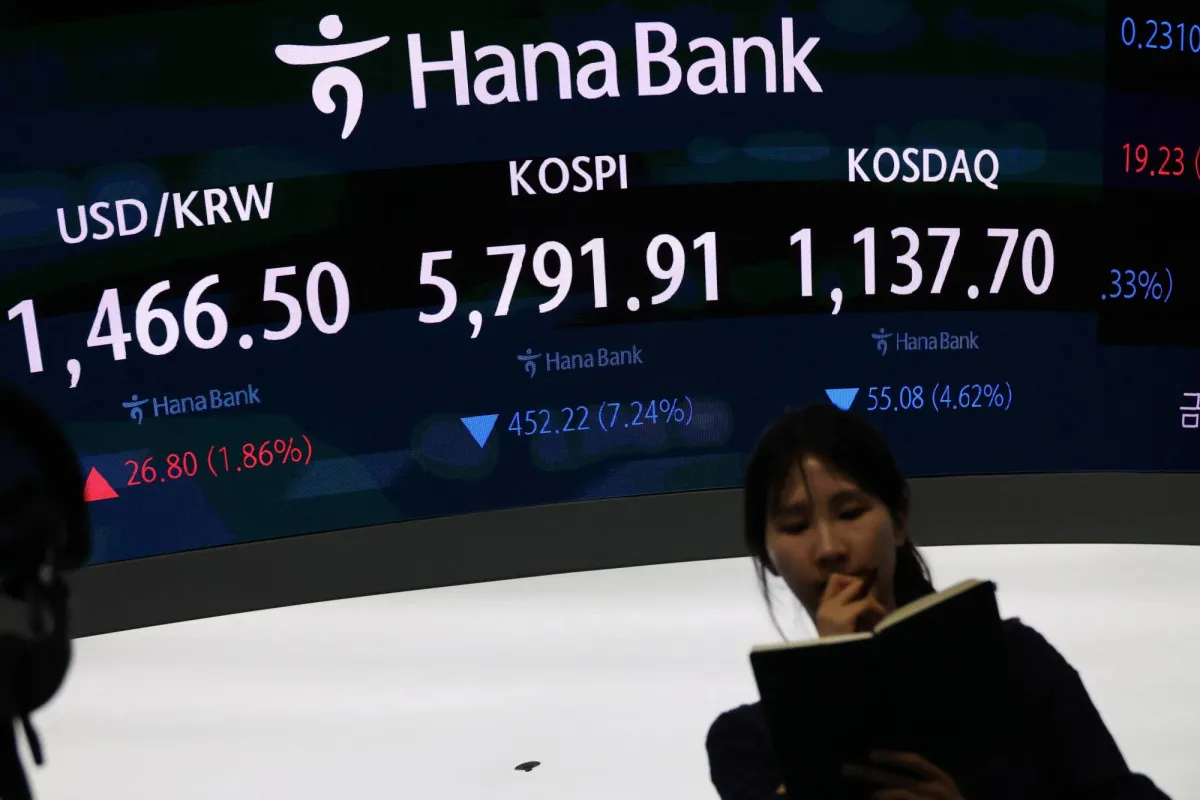
South Korea bore the brunt of the losses, with its main index plummeting 4.8% upon reopening after a Monday holiday. Japan's Nikkei 225 index followed, sliding 2.1%.
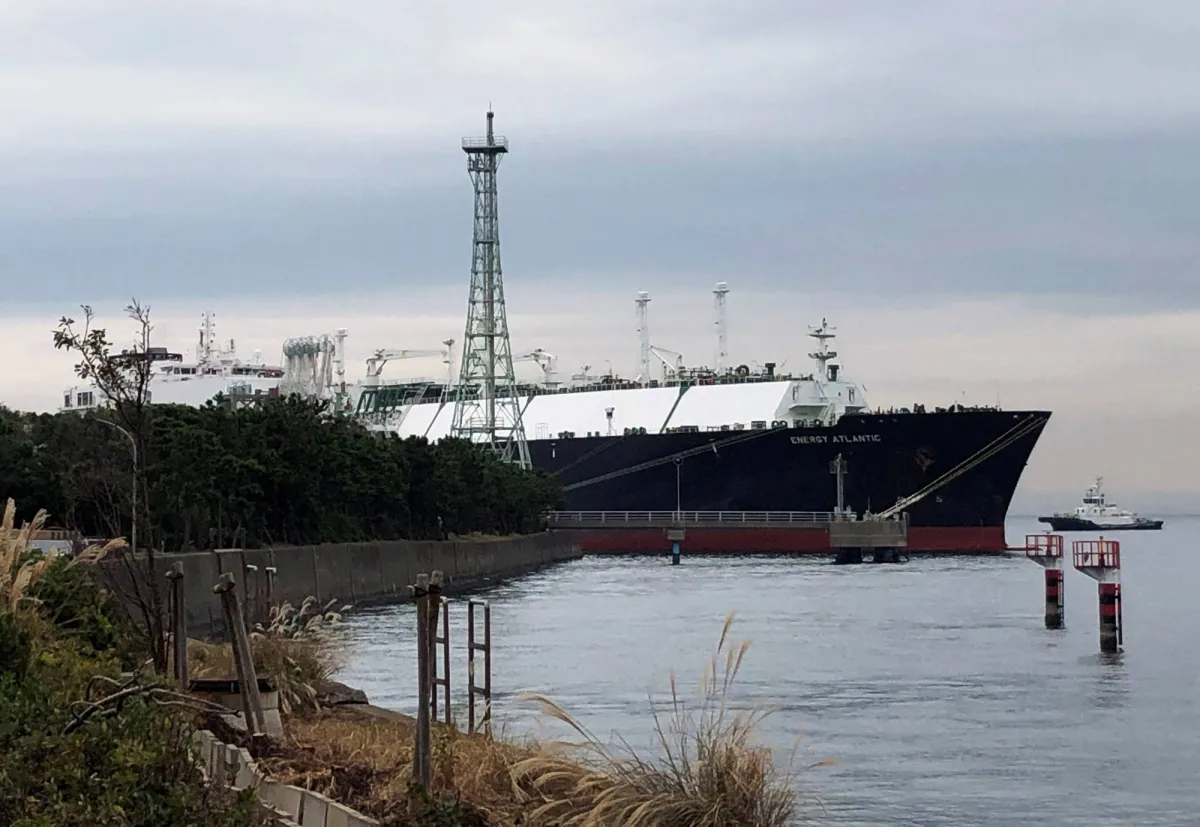
Analysts attribute the downturn, particularly in resource-scarce nations like Japan, to fears of interrupted oil and gas shipments through the Strait of Hormuz. While Japan possesses strategic reserves sufficient for over 200 days, its energy sector still suffered, with shares of companies like Eneos and Idemitsu Kosan sharply declining. Defense stocks also retreated after previous gains.
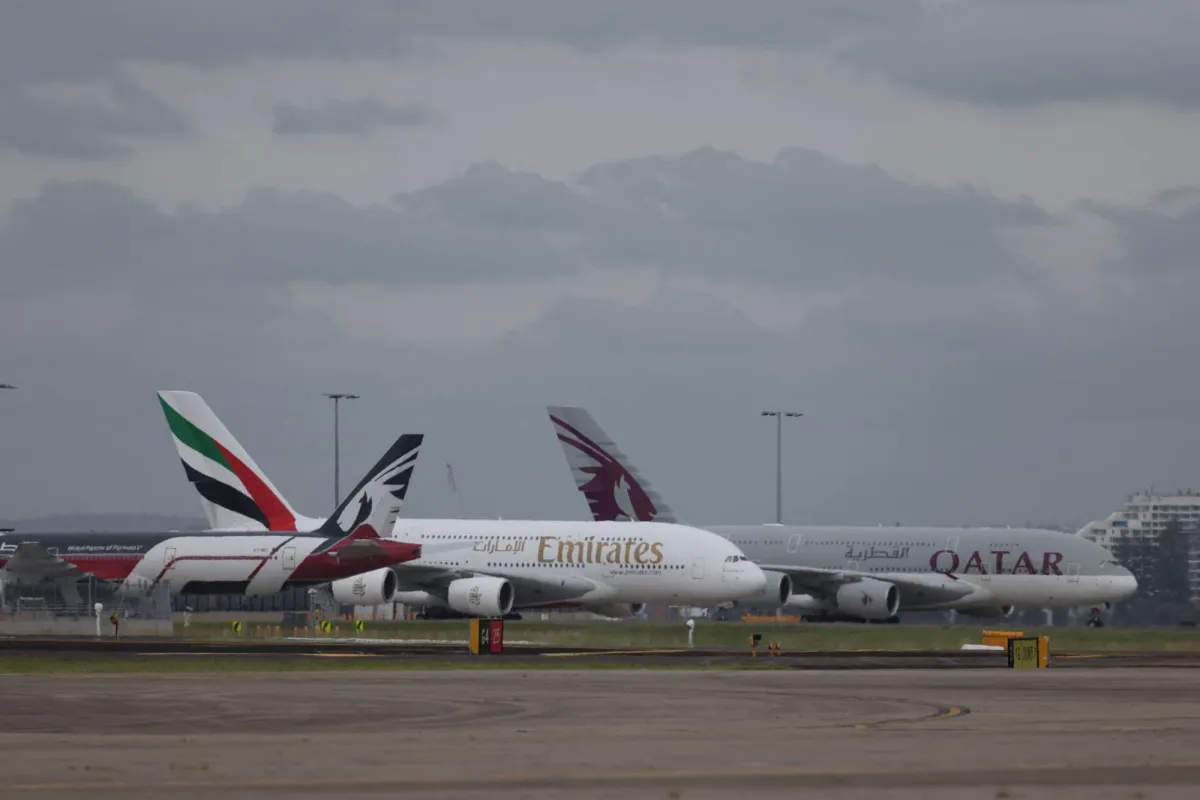
The aviation sector felt the impact as well, with Japan Airlines and Korean Air incurring significant losses due to rising fuel costs and airport closures in conflict zones. Across the region, Australia, Hong Kong, and Shanghai markets also registered declines.
Global markets have so far reacted with relative restraint. Experts note that past Middle Eastern conflicts have not triggered sustained declines in U.S. stocks, and oil shocks typically only derail equities if they are severe and prolonged. Morgan Stanley strategists suggest a significant negative impact on U.S. stocks is unlikely unless oil prices surpass $100 a barrel.
Amid the uncertainty, gold prices rose 1.2%, as investors sought safe-haven assets.
Conversely, U.S. oil and defense companies benefited from the situation. Exxon Mobil, Northrop Grumman, and Palantir all recorded strong gains.
In bond markets, the 10-year Treasury yield rose to 4.04%, supported by stronger-than-expected U.S. industrial growth data. Currencies remained relatively stable, with a slight bias toward dollar strength against the yen and euro.