 Milan-Cortina 2026 Olympic Winter Games: freestyle skiing women's freeski slopestyle qualification
Orange Jordan Sponsors Al Hussein Technical University’s "Leadathon"
The CEO of Orange Jordan Visits Yarmouk University President to Strengthen the Strategic Partnership
*Orange Jordan Showcases Fabrication Lab Innovations at the Makers’ Forum
3 Winners at Orange Summer Challenge 2024 Join the “Social Innovation” Journey Fostering "Tech4Impact”
Estarta Named Cisco Systems' Distinguished Supplier of the Year 2024
Milan-Cortina 2026 Olympic Winter Games: freestyle skiing women's freeski slopestyle qualification
Orange Jordan Sponsors Al Hussein Technical University’s "Leadathon"
The CEO of Orange Jordan Visits Yarmouk University President to Strengthen the Strategic Partnership
*Orange Jordan Showcases Fabrication Lab Innovations at the Makers’ Forum
3 Winners at Orange Summer Challenge 2024 Join the “Social Innovation” Journey Fostering "Tech4Impact”
Estarta Named Cisco Systems' Distinguished Supplier of the Year 2024
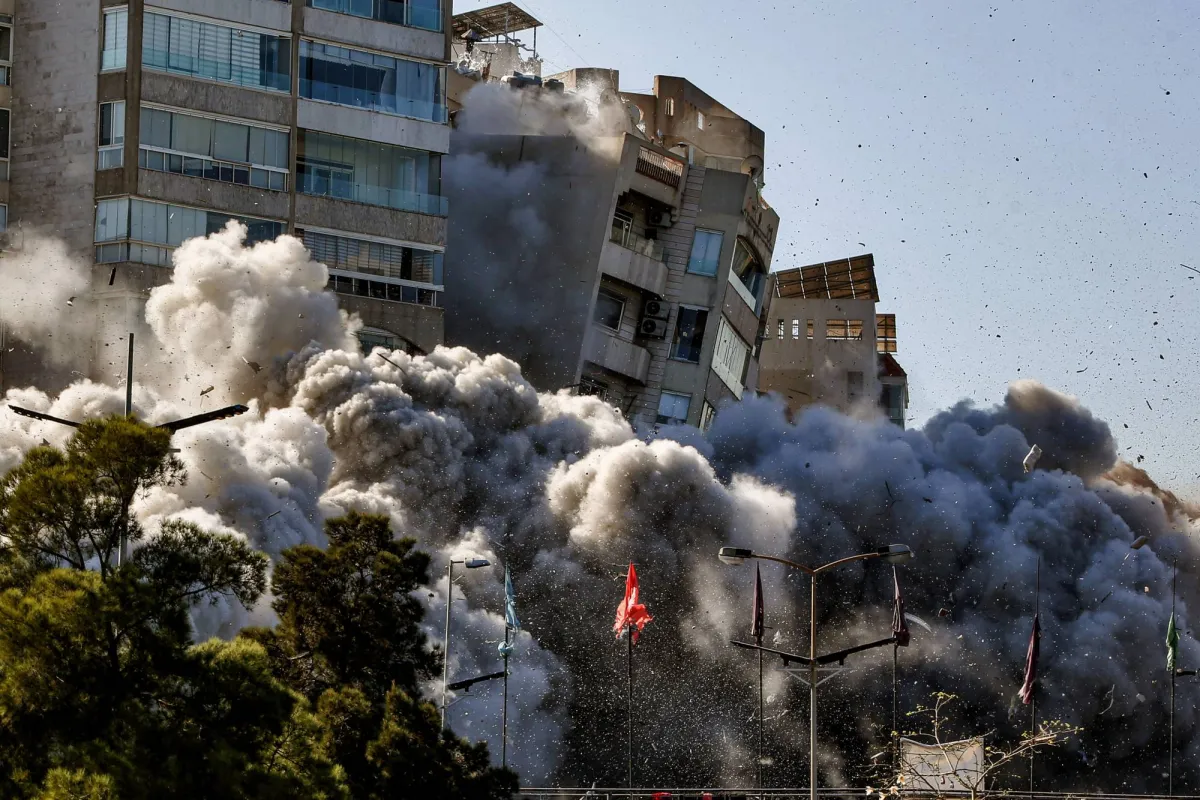
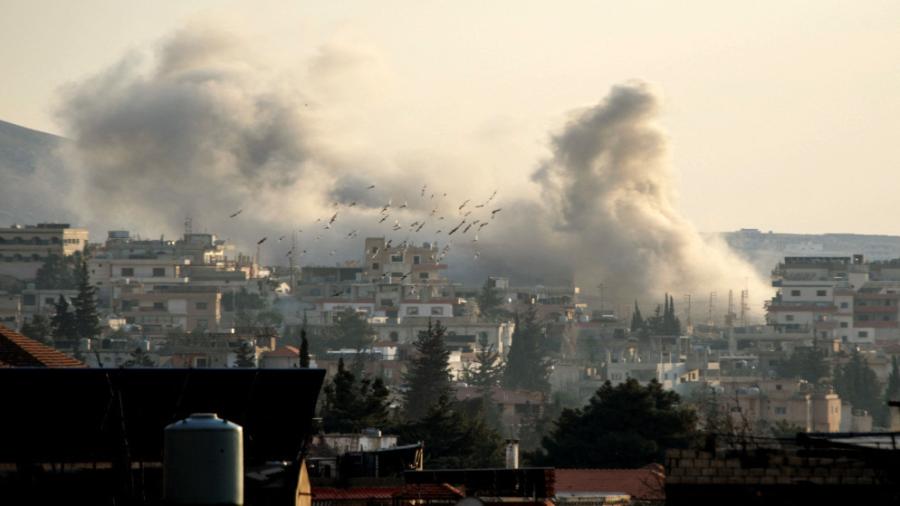
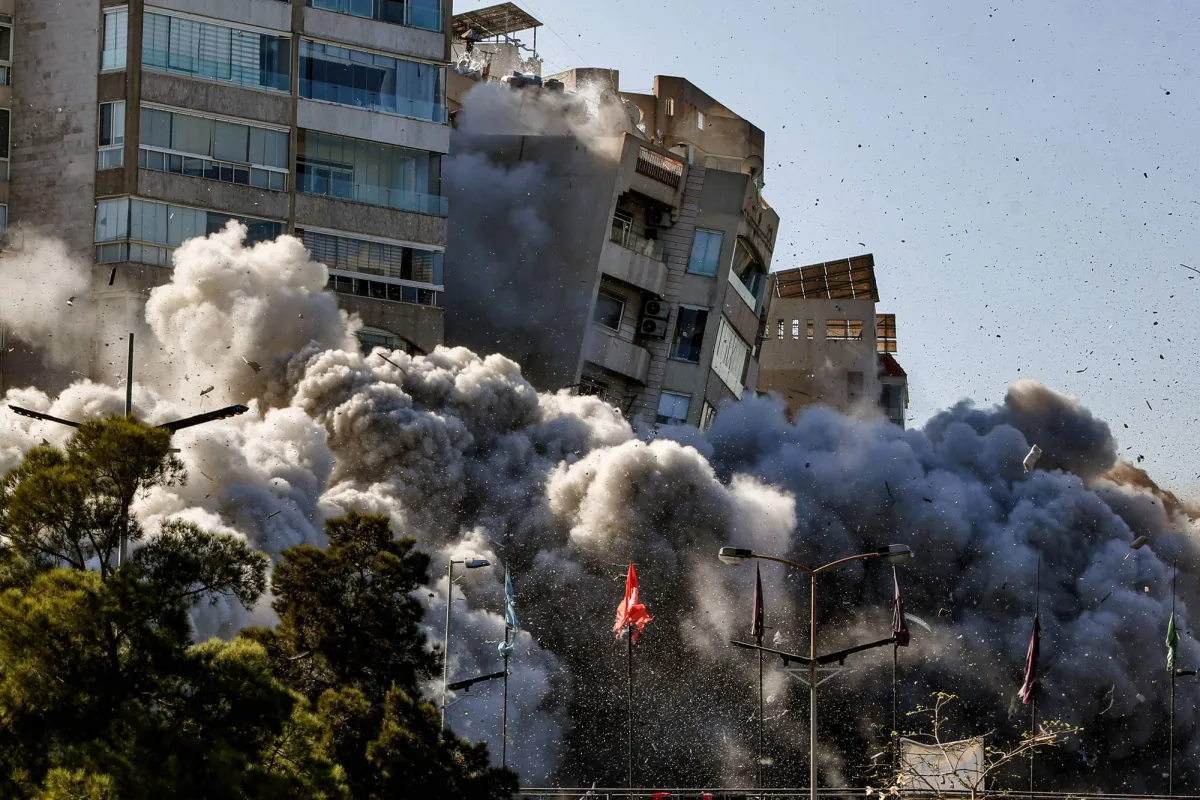
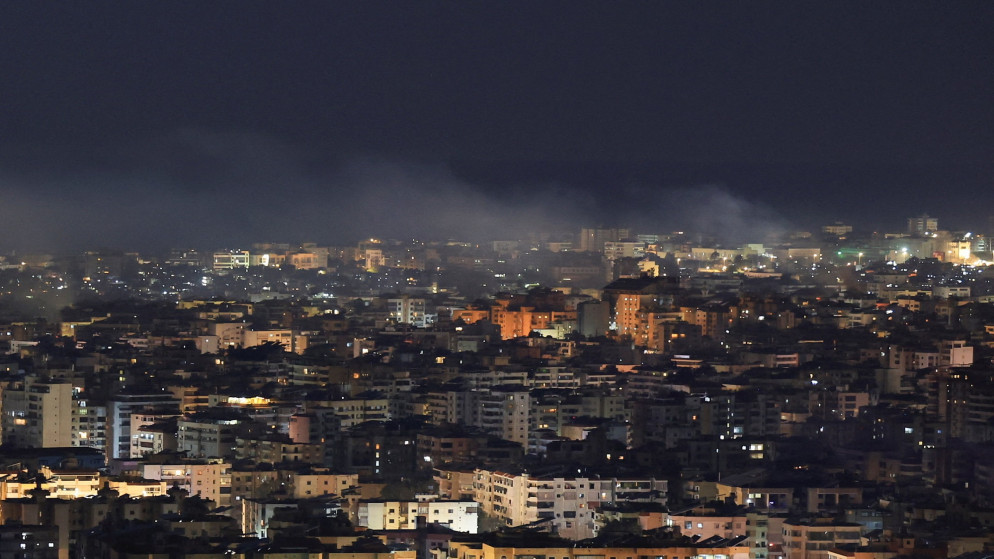
Israeli forces launched airstrikes in Lebanon following a barrage of rockets fired by Hezbollah towards northern Israel, raising concerns about escalating tensions in the region.
The Israeli military stated it began targeting Hezbollah positions throughout Lebanon in response to the rocket launches. The military asserted it would counter Hezbollah's involvement and prevent the group from posing a threat to Israel or harming civilians in northern Israel.
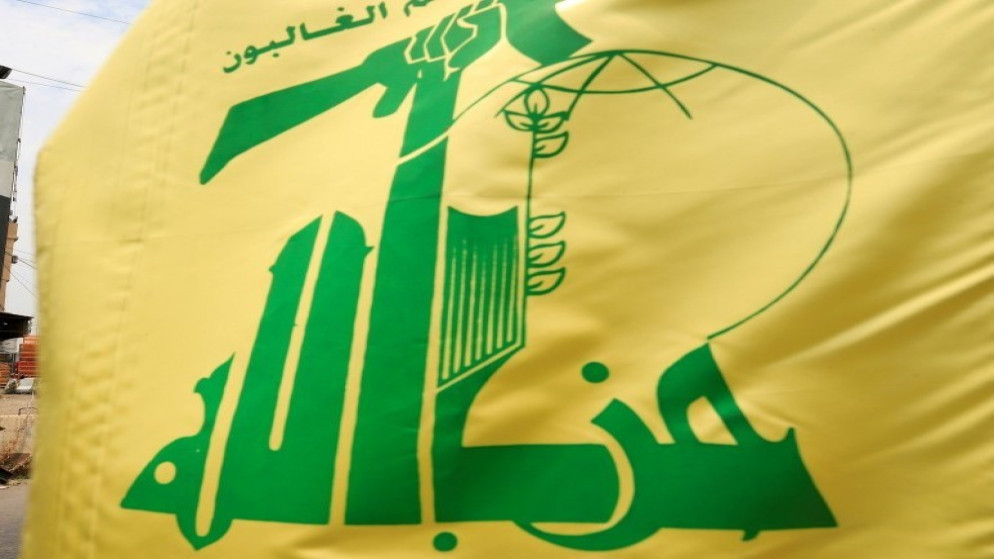
Hezbollah claimed responsibility for the rocket attack, stating it targeted the Israeli military's missile defense site of Mishmar HaCarmel, south of Haifa. The group described the action as retaliation for the death of Ali Khamenei and a defense of Lebanon against repeated Israeli aggression.
Lebanese Prime Minister Nawaf Salam condemned the rocket fire, calling it irresponsible and a threat to Lebanon's security. He stated that such actions provide Israel with justification for continued attacks and vowed to prevent the country from being drawn into new conflicts.
Salam pledged to take all necessary measures to apprehend those responsible and protect Lebanese citizens.
In 2024, Lebanon and Israel agreed to a U.S.-brokered ceasefire, ending over a year of fighting between Israel and the Iran-backed Hezbollah. Since then, both sides have accused each other of violating the ceasefire agreement.