 Milan-Cortina 2026 Olympic Winter Games: freestyle skiing women's freeski slopestyle qualification
Orange Jordan Sponsors Al Hussein Technical University’s "Leadathon"
The CEO of Orange Jordan Visits Yarmouk University President to Strengthen the Strategic Partnership
*Orange Jordan Showcases Fabrication Lab Innovations at the Makers’ Forum
3 Winners at Orange Summer Challenge 2024 Join the “Social Innovation” Journey Fostering "Tech4Impact”
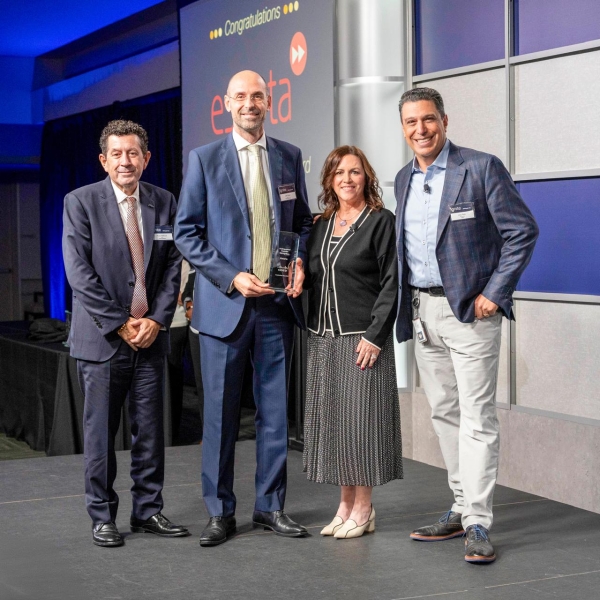
Estarta Named Cisco Systems' Distinguished Supplier of the Year 2024
Milan-Cortina 2026 Olympic Winter Games: freestyle skiing women's freeski slopestyle qualification
Orange Jordan Sponsors Al Hussein Technical University’s "Leadathon"
The CEO of Orange Jordan Visits Yarmouk University President to Strengthen the Strategic Partnership
*Orange Jordan Showcases Fabrication Lab Innovations at the Makers’ Forum
3 Winners at Orange Summer Challenge 2024 Join the “Social Innovation” Journey Fostering "Tech4Impact”
Estarta Named Cisco Systems' Distinguished Supplier of the Year 2024
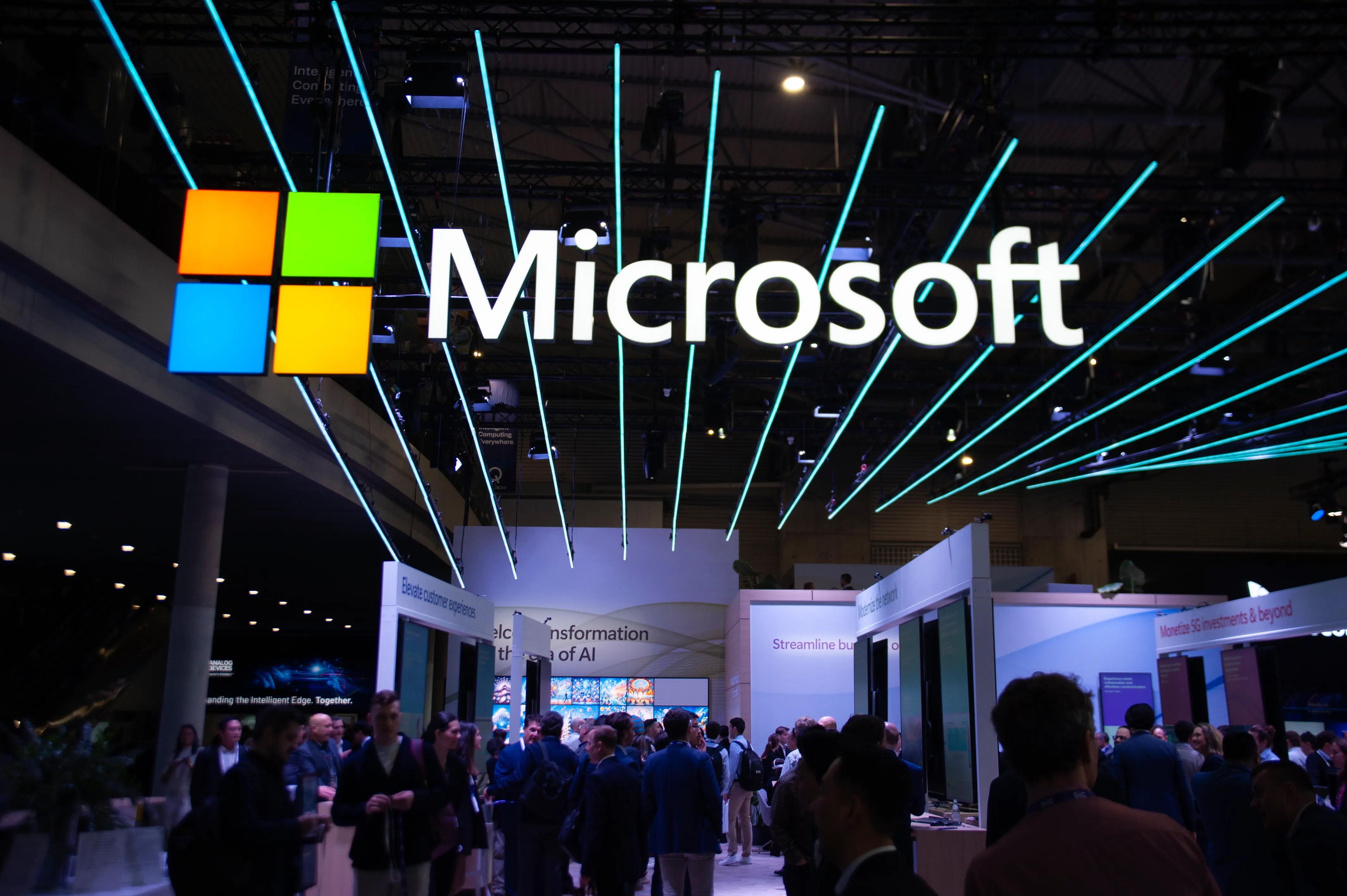
Microsoft is embarking on a path toward artificial intelligence independence, seeking to reduce its reliance on OpenAI and develop its own foundational models. This strategic shift was unveiled by Mustafa Suleyman, the CEO of Microsoft AI, signaling a potential transformation in the landscape of AI development and deployment.
The move comes after a period of close partnership between Microsoft and OpenAI, where Microsoft served as a key commercial partner for OpenAI's GPT models. However, Microsoft is now focusing on building its own AI capabilities, aiming for what Suleyman described as “true self-sufficiency.”
This transition follows a restructuring of the relationship between the two companies in October, which granted Microsoft extended intellectual property rights until 2032 but also allowed OpenAI greater freedom to compete directly. This shift has seemingly spurred Microsoft to accelerate its internal development efforts.
Microsoft's ambitions extend beyond simply creating alternative AI models. Suleyman warned of a potentially seismic shift in white-collar work within the next 12 to 18 months. He anticipates the rise of AI agents capable of self-learning and independent coordination within large organizations, potentially impacting professions such as lawyers, accountants, project managers, and marketers.
To address concerns about the potential risks of advanced AI, Suleyman announced the creation of a “Humanistic AI” team. This initiative aims to ensure that super-intelligent systems remain aligned with human values and under human control. “We must not release a system into the world unless we are sure we can control it,” Suleyman stated, emphasizing that AI tools should serve humanity, not surpass it.
To achieve this level of AI independence, Microsoft is significantly increasing its capital expenditure. The company expects to spend up to $140 billion on infrastructure and data centers by the end of the fiscal year in June 2026. Despite some investor concerns about an AI bubble, reflected in a 13% fluctuation in the company’s stock, Suleyman maintains that these investments will generate substantial long-term returns.
In addition to automating office tasks, Microsoft is also focusing on “supernatural AI” in healthcare. The goal is to develop systems that can outperform doctors in diagnostics and address shortages in medical personnel. Microsoft views medicine as a relatively safe and measurable field for testing the limits of AI before broader deployment.
Experts suggest that Microsoft's current strategy is driven by a desire for technological sovereignty rather than simply seeking partnerships. Suleyman's statements paint a picture of a future where AI agents manage offices and clinics autonomously, marking a shift from automated chat to independent operation, all while maintaining complete independence from external resources.