 Milan-Cortina 2026 Olympic Winter Games: freestyle skiing women's freeski slopestyle qualification
Orange Jordan Sponsors Al Hussein Technical University’s "Leadathon"
The CEO of Orange Jordan Visits Yarmouk University President to Strengthen the Strategic Partnership
*Orange Jordan Showcases Fabrication Lab Innovations at the Makers’ Forum
3 Winners at Orange Summer Challenge 2024 Join the “Social Innovation” Journey Fostering "Tech4Impact”
Estarta Named Cisco Systems' Distinguished Supplier of the Year 2024
Milan-Cortina 2026 Olympic Winter Games: freestyle skiing women's freeski slopestyle qualification
Orange Jordan Sponsors Al Hussein Technical University’s "Leadathon"
The CEO of Orange Jordan Visits Yarmouk University President to Strengthen the Strategic Partnership
*Orange Jordan Showcases Fabrication Lab Innovations at the Makers’ Forum
3 Winners at Orange Summer Challenge 2024 Join the “Social Innovation” Journey Fostering "Tech4Impact”
Estarta Named Cisco Systems' Distinguished Supplier of the Year 2024
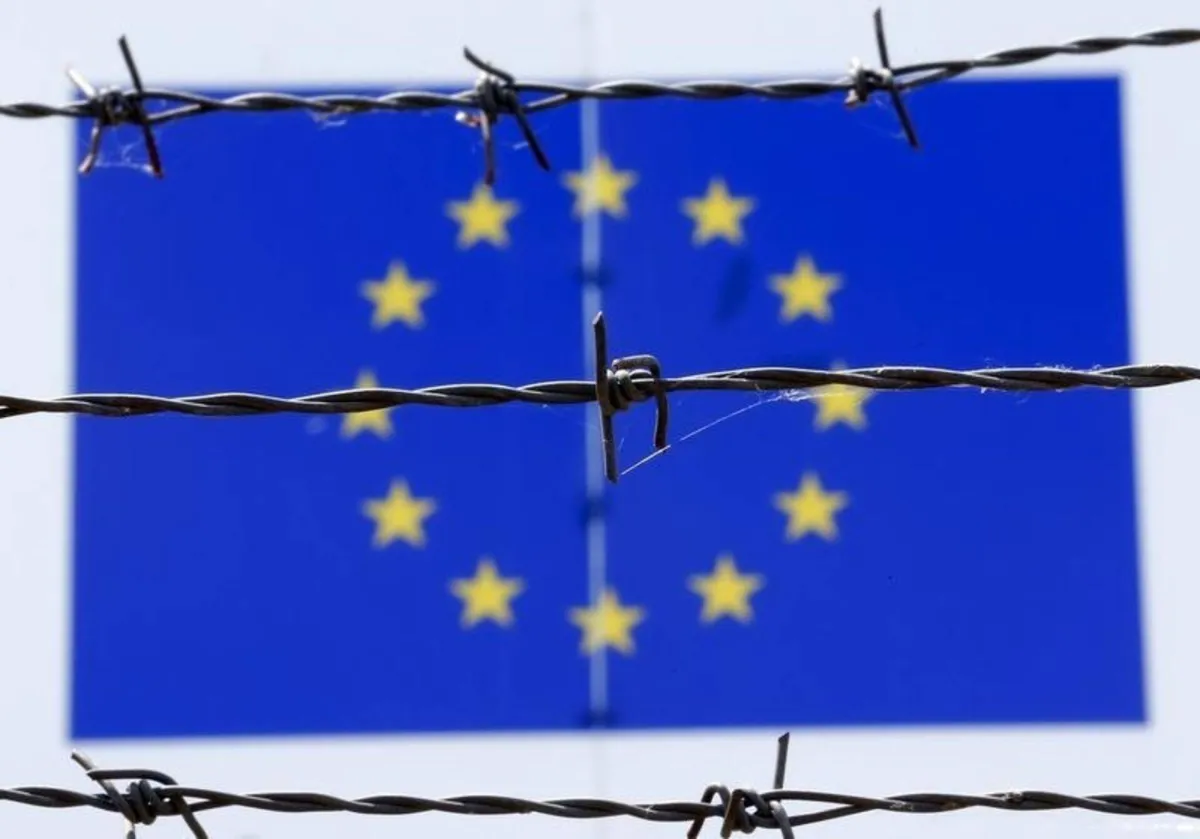
Europe is bracing for potential economic repercussions stemming from escalating tensions involving Iran, as a military confrontation could trigger inflationary pressures and undermine the continent's already fragile economic growth.
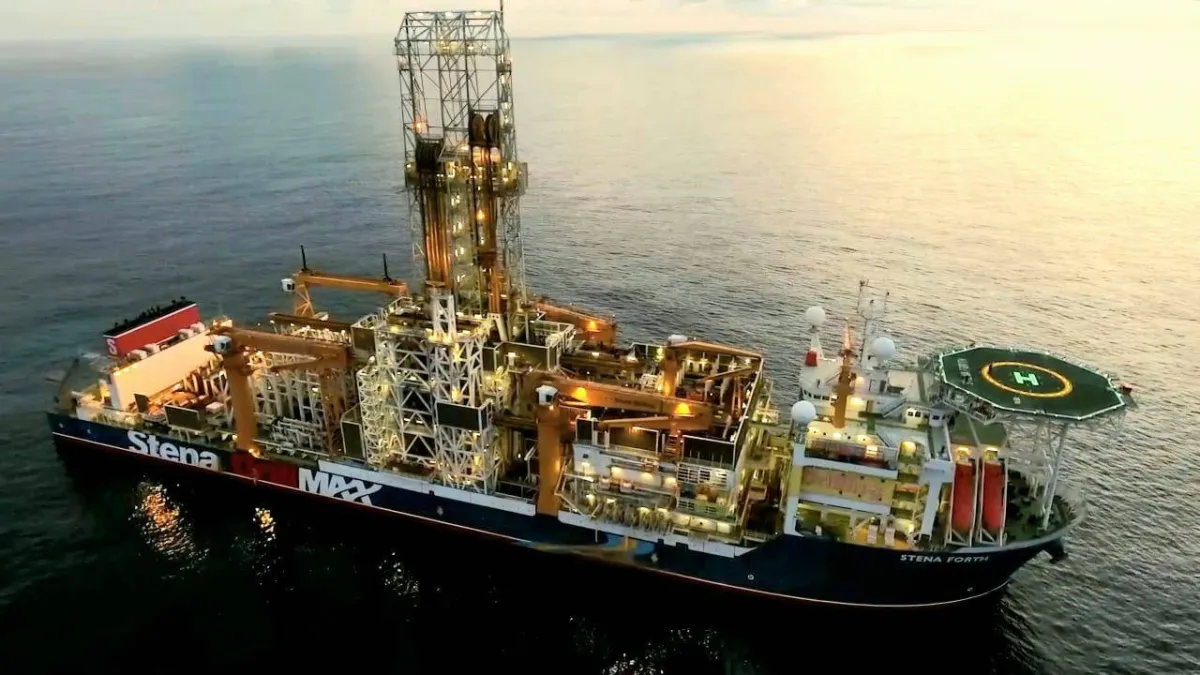
The disruption to shipping in the Gulf, a crucial artery for Europe's fuel and petroleum product imports, has already sent energy prices soaring in financial markets.
This surge in fuel costs poses a challenge for the European Central Bank and the Bank of England, potentially delaying any further interest rate cuts until the full impact of the conflict becomes clearer, according to Reuters.
The Strait of Hormuz, situated between Oman and Iran, serves as a vital passage for exports from Gulf nations, including oil, gas, and chemicals. Approximately 20% of the world's oil transits through this strait, encompassing production from Saudi Arabia, the United Arab Emirates, Iraq, Kuwait, and Iran, as well as substantial volumes of liquefied natural gas from Qatar.
Since Europe's shift away from Russian energy following the invasion of Ukraine, the continent has become increasingly reliant on energy imports from the Gulf region.
Britain, Italy, Belgium, and Poland are among the European nations most dependent on liquefied natural gas imports passing through the Strait of Hormuz, according to data from the U.S. Energy Information Administration.
The Gulf also serves as a major source of propane, butane, and ethane, which are utilized for heating, fuel, and agriculture, according to data from the brokerage firm Kepler.
Shipping data indicates that over 200 vessels, including oil and gas tankers, have been anchored around the Strait of Hormuz and adjacent waters as a result of the conflict.
This situation has promptly driven up oil and gas prices, with Brent crude futures rising by approximately 8% to $78 per barrel, while natural gas prices in the Dutch market have surged by 19% to 38 euros per megawatt-hour.
The European Central Bank's December forecasts assumed a natural gas price of 29.6 euros per megawatt-hour and a crude oil price of $62.5 this year.
The European Central Bank is scheduled to release its updated economic forecasts on March 19, with a deadline for energy price and market indicators set three weeks prior.
This timeline suggests a potential adjustment to the bank's energy inflation forecasts, although it may opt to present multiple scenarios, similar to its approach during Russia's invasion of Ukraine in 2022.
U.S. bank Upeeqo affirmed that the oil price is likely to remain around $80 given the availability of supply, and that any major escalation, such as damage to Saudi oil infrastructure, would be necessary to raise the price towards $100.
While the bulk of commercial goods between Europe and Asia has long flowed through the Suez Canal, the re-routing of many ships around Africa following Houthi attacks in the Red Sea in late 2023 prompted shipping companies to consider increased utilization of the Asia-Europe trade route before the outbreak of the current conflict.
Shipping firms have once again begun diverting vessels around Africa, away from the Suez Canal, potentially driving up shipping rates and increasing the cost of imported goods.
European Central Bank forecasts suggest that the impact of higher oil prices on inflation is significantly greater than its impact on economic growth.
Sensitivity analyses published by the bank in December indicate that a sustained 14% increase in oil and gas prices would reduce growth by only 0.1% this year, while raising inflation by up to 0.5%.
These effects are expected to be similar in the following year, before gradually diminishing.
The euro zone and the United Kingdom were projected to grow by 1.2% and 1% respectively this year, and 1.4% each next year, according to Reuters polls. This growth rate is modest compared to the United States, where output is expected to rise by 2.5% and 2% in 2026-2027.
However, the impact of the current situation is expected to be small compared to the shock of 2022, when Russia's invasion of Ukraine drove up energy costs, reducing growth by one percentage point and raising inflation by two percentage points, according to a European Commission study.
The relatively strong euro may also mitigate the impact, as energy is priced in dollars.
The growth impact is expected to be temporary, as the economy can adapt, resulting in no lasting impact on potential output, according to a separate European Central Bank study.
Investors have scaled back their expectations for a quarter-percentage-point cut in the Bank of England's key interest rate later this month, with pricing indicating a 69% probability, down from 78% on Friday.
No swift action is expected from the European Central Bank, which was already anticipated to maintain its rates unchanged for the remainder of the year.
The euro zone's central bank does not react to short-term market fluctuations and also disregards temporary increases in energy prices.
Therefore, any response will depend on the duration and extent of the conflict. The U.S. president said on Sunday that the operation in Iran may last four weeks.
Economists at Commerzbank believe that there would be no significant impact if the war lasts only a few weeks.
However, if it continues for several months, they estimate that inflation in the euro zone would likely rise by at least one percentage point, and economic growth would be lower by a few fractions of a percentage point.
Furthermore, inflation in the euro zone, currently at 1.7%, is below the target, so a moderate increase would not threaten the objective.
The European Central Bank typically becomes concerned if a one-off inflationary shock begins to affect long-term price expectations and spills over into broader wage and price setting through what are known as "second-round effects."
This process requires several months to become evident, so the European Central Bank is expected to convey that it is disregarding temporary fluctuations but remains attentive to developments.
Market expectations for long-term inflation remain largely stable, likely reinforcing the bank's message of wait-and-see.
Market forecasts indicate that no change in interest rate has been priced in for this year.