 Milan-Cortina 2026 Olympic Winter Games: freestyle skiing women's freeski slopestyle qualification
Orange Jordan Sponsors Al Hussein Technical University’s "Leadathon"
The CEO of Orange Jordan Visits Yarmouk University President to Strengthen the Strategic Partnership
*Orange Jordan Showcases Fabrication Lab Innovations at the Makers’ Forum
3 Winners at Orange Summer Challenge 2024 Join the “Social Innovation” Journey Fostering "Tech4Impact”
Estarta Named Cisco Systems' Distinguished Supplier of the Year 2024
Milan-Cortina 2026 Olympic Winter Games: freestyle skiing women's freeski slopestyle qualification
Orange Jordan Sponsors Al Hussein Technical University’s "Leadathon"
The CEO of Orange Jordan Visits Yarmouk University President to Strengthen the Strategic Partnership
*Orange Jordan Showcases Fabrication Lab Innovations at the Makers’ Forum
3 Winners at Orange Summer Challenge 2024 Join the “Social Innovation” Journey Fostering "Tech4Impact”
Estarta Named Cisco Systems' Distinguished Supplier of the Year 2024
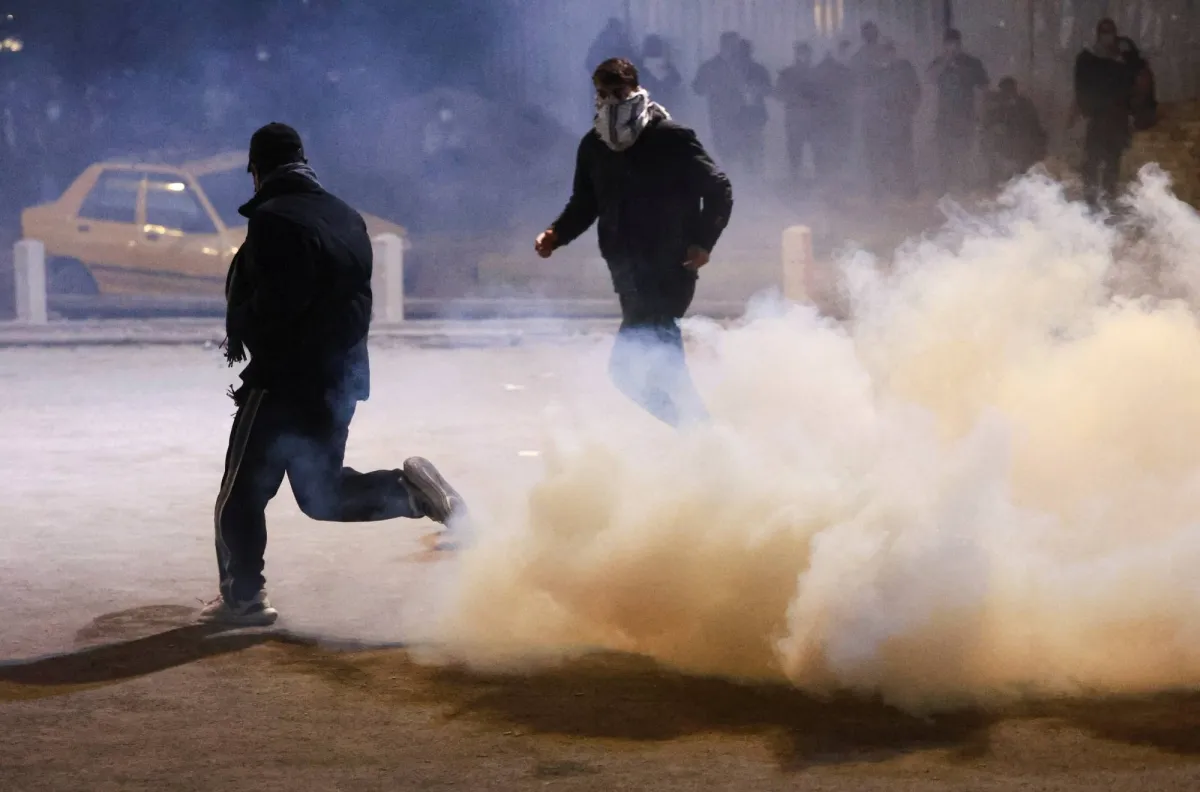
BAGHDAD - Iraqi factions, previously engaged in escalating attacks, have seemingly adopted a tactical pause, awaiting directives from Iran's Revolutionary Guard. This lull follows a period of heightened tensions between supporters of Iranian Supreme Leader Ali Khamenei and both Iraqi and U.S. interests within the country.
The shift comes after a period of intense activity that saw pro-Iranian elements in Iraq operating without centralized command, leading to a surge in uncoordinated attacks. Reports indicated a widespread deployment of drones across Iraqi airspace, from Erbil to Samawah.
On Monday morning, the agitated Popular Mobilization Forces (PMF) eased their blockade of Baghdad's Green Zone, signaling a potential de-escalation. Sources in Baghdad suggest that this "tactical pause" is a direct consequence of the Revolutionary Guard re-establishing communication channels with its Iraqi proxies.
The recent surge in attacks followed a breakdown in established command structures, leaving various factions to act independently. This decentralized approach resulted in a series of aggressive actions targeting perceived adversaries.
The current period of relative calm is viewed by many as a temporary reprieve, contingent on the re-establishment of clear lines of communication and strategic guidance from Tehran. The coming days will likely reveal whether this pause marks a genuine shift towards de-escalation or merely a prelude to renewed hostilities.