 مملكة البحرين تفعل المادة الثانية من اتفاقية التكامل الأمني والازدهار الشامل (C-SIPA) مع أمريكا وبريطانيا
7 أيام من الحرب.. تسلسل زمني لضربات متبادلة غيرت وجه المنطقة
مع تصاعد الحرب.. فرنسا ترسل حاملة مروحيات إلى المتوسط
إسرائيل وإيران وصراع الهيمنة على الشرق الأوسط
الاقتصاد في زمن الأزمات كيف تحافظ دول الخليج والأردن على الاستقرار ؟
شباب صينيون مستعربون: نخلات سامقات تثمر تعارفا وتقاربا تحت سماء الصداقة
سلامات للزميل بسام الرقاد
أجواء لطيفة اليوم وانخفاض طفيف على الحرارة خلال الأيام المقبلة
سكر الدم منتصف رمضان.. الجسم يتكيف ويحول الطاقة بذكاء
النظام الغذائي الغني بالدهون قد يزيد خطر أمراض الكبد
الامن العام :الدفاع المدني يخمد حريقاً شب في مستودع يحتوي على أخشاب في محافظة العاصمة
توقيع مذكرة تفاهم بين أبوغزاله وشركاه للاستشارات و MCC مينا الاستشارية لتعزيز استشارات الأمن الدوائي
الأمن: مقتل رجل طعنا على يد زوجته في عمّان
الملك لرئيس وزراء كندا: ضرورة ضبط النفس واستخدام الحوار لحل الأزمات
اغتيال الشخصية.. حين يتحول "التشويه" إلى سلاح لتقويض العمل العام
(وسائط متعددة) الصين تعتزم تطوير الاقتصاد الذكي وتعزيز التنمية الرقمية والذكية
(وسائط متعددة) تقرير: الصين تحقق إنجازات جديدة كبيرة خلال فترة 2021-2025
الأمن يكشف تفاصيل وفاة مسنّة على يد حفيدها بقصد السرقة
إغلاق جزئي وتحويلات مرورية في طبربور الجمعة
بيان صادر عن النائب طلال النسور حول مشروع تعديل قانون الضمان الاجتماعي
مملكة البحرين تفعل المادة الثانية من اتفاقية التكامل الأمني والازدهار الشامل (C-SIPA) مع أمريكا وبريطانيا
7 أيام من الحرب.. تسلسل زمني لضربات متبادلة غيرت وجه المنطقة
مع تصاعد الحرب.. فرنسا ترسل حاملة مروحيات إلى المتوسط
إسرائيل وإيران وصراع الهيمنة على الشرق الأوسط
الاقتصاد في زمن الأزمات كيف تحافظ دول الخليج والأردن على الاستقرار ؟
شباب صينيون مستعربون: نخلات سامقات تثمر تعارفا وتقاربا تحت سماء الصداقة
سلامات للزميل بسام الرقاد
أجواء لطيفة اليوم وانخفاض طفيف على الحرارة خلال الأيام المقبلة
سكر الدم منتصف رمضان.. الجسم يتكيف ويحول الطاقة بذكاء
النظام الغذائي الغني بالدهون قد يزيد خطر أمراض الكبد
الامن العام :الدفاع المدني يخمد حريقاً شب في مستودع يحتوي على أخشاب في محافظة العاصمة
توقيع مذكرة تفاهم بين أبوغزاله وشركاه للاستشارات و MCC مينا الاستشارية لتعزيز استشارات الأمن الدوائي
الأمن: مقتل رجل طعنا على يد زوجته في عمّان
الملك لرئيس وزراء كندا: ضرورة ضبط النفس واستخدام الحوار لحل الأزمات
اغتيال الشخصية.. حين يتحول "التشويه" إلى سلاح لتقويض العمل العام
(وسائط متعددة) الصين تعتزم تطوير الاقتصاد الذكي وتعزيز التنمية الرقمية والذكية
(وسائط متعددة) تقرير: الصين تحقق إنجازات جديدة كبيرة خلال فترة 2021-2025
الأمن يكشف تفاصيل وفاة مسنّة على يد حفيدها بقصد السرقة
إغلاق جزئي وتحويلات مرورية في طبربور الجمعة
بيان صادر عن النائب طلال النسور حول مشروع تعديل قانون الضمان الاجتماعي
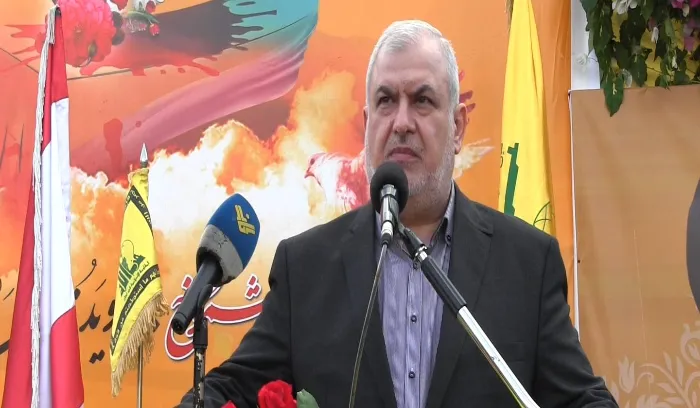
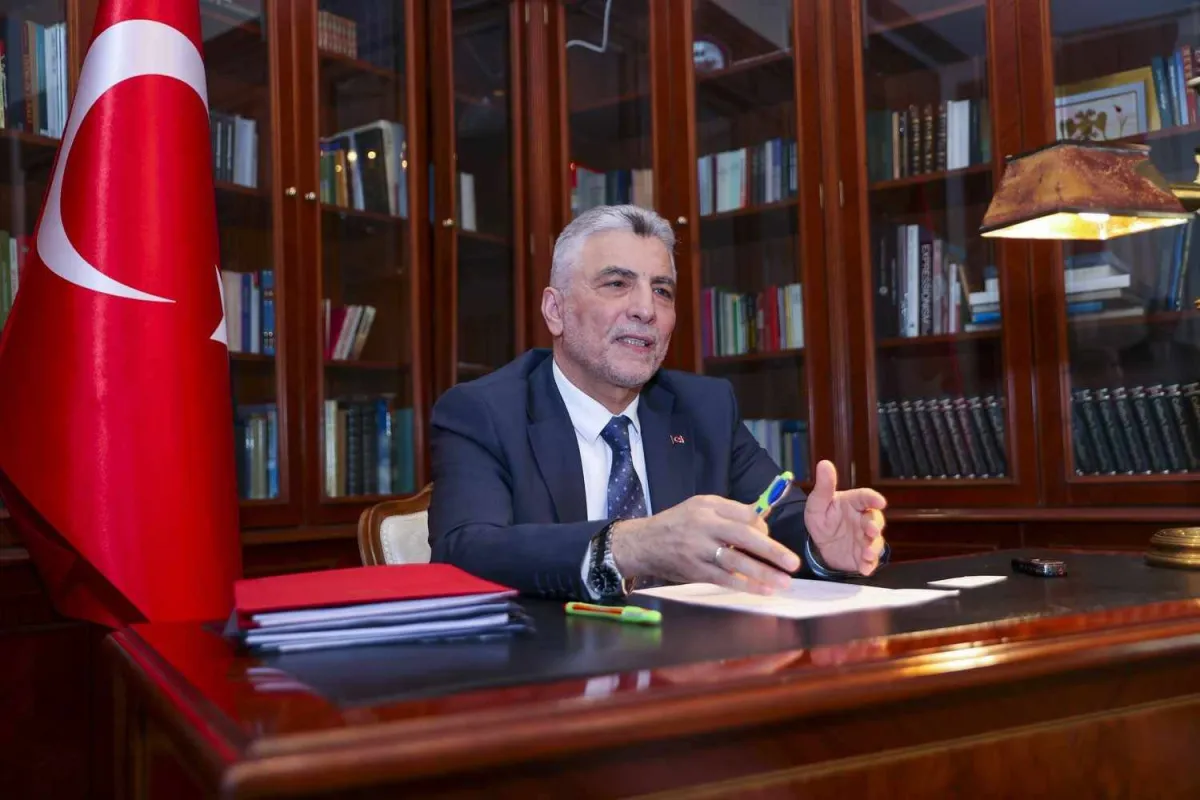
Mohammad Raad, head of Hezbollah's parliamentary bloc, has been a prominent figure in Lebanese politics for decades, navigating roles from educator to key negotiator.
Despite the absence of an official announcement, political circles widely consider Raad a leading figure within Hezbollah's leadership, extending a long career encompassing party foundation, parliamentary work, and participation in major dialogue sessions and political settlements since the early 1990s.
Raad's political journey began in his youth with the movement of Imam Musa al-Sadr, and he was among the founders of committees supporting the Islamic Revolution in Iran. He was also among the first leaders of Hezbollah in the early 1980s, participating in the first military course alongside former Secretary-General Abbas al-Musawi.
Within Hezbollah, Raad ascended through various organizational positions, including membership in the Executive Council and the Political Council. He is also reportedly a member of the Shura Council, the highest body concerned with strategic decision-making within the party. Previously, he served as editor-in-chief of Al-Ahed newspaper, the party's mouthpiece.
Since 1992, Raad has continuously held a seat in parliament representing the Nabatieh district as part of Hezbollah's Loyalty to the Resistance Bloc, making him the longest-serving member of the party in the legislative body. He has headed the parliamentary bloc since 2000, positioning him at the forefront of the party's political representation within constitutional institutions.
Born on August 22, 1955, in Beirut, Raad hails from Jbaa in the Nabatieh district of southern Lebanon. He received his primary and secondary education in Beirut's public schools before joining the Teachers College in Bir Hassan in 1971, where he obtained his first educational certificate in 1974. He continued his studies at the Lebanese University, earning a degree in philosophy, alongside studies in Islamic sciences.
In the aftermath of the July 2006 war, Raad primarily represented Hezbollah in national dialogue sessions held under the auspices of the presidency or at the invitation of Parliament Speaker Nabih Berri, presenting the party's vision on defense strategy and Hezbollah's weapons.
In 2008, he headed the Hezbollah delegation to the Doha Agreement, which ended a severe political and security crisis, playing a prominent negotiating role while adhering to the party's fundamental positions and engaging in a comprehensive settlement that restored order to the institutions.
Due to his parliamentary position, Raad interacts with the President and Prime Minister as a negotiator on behalf of Hezbollah. During President Joseph Aoun's term, Raad remained in charge of communication with the presidency, despite ongoing political differences over sovereign issues. His relationship with Prime Minister Nawaf Salam falls within the framework of conveying the party's viewpoint, given differing approaches to reform, the role of the state, and foreign relations.
Raad's role has been described by political circles as translating the party's strategic decisions into a political formula acceptable for internal and external discourse, whether in parliament, at dialogue tables, or in indirect negotiations with other forces.
Amidst the confrontations following the events of October 7, 2023, his son Abbas, a member of the Radwan unit, was killed in an Israeli strike targeting a site in southern Lebanon.
During the sharp division following the assassination of former Prime Minister Rafik Hariri in 2005, Raad managed the parliamentary confrontation with what was then known as the March 14 forces, defending the party's weapons and its relationship with Syria and Iran. In the post-presidential settlement phase in 2016, he participated in managing understandings within the government, particularly in the relationship with the Free Patriotic Movement, within the framework of the political partnership that followed the election of a president at the time.
In July 2019, the United States imposed sanctions on him as part of a package targeting leaders in Hezbollah.