 Milan-Cortina 2026 Olympic Winter Games: freestyle skiing women's freeski slopestyle qualification
Orange Jordan Sponsors Al Hussein Technical University’s "Leadathon"
The CEO of Orange Jordan Visits Yarmouk University President to Strengthen the Strategic Partnership
*Orange Jordan Showcases Fabrication Lab Innovations at the Makers’ Forum
3 Winners at Orange Summer Challenge 2024 Join the “Social Innovation” Journey Fostering "Tech4Impact”
Estarta Named Cisco Systems' Distinguished Supplier of the Year 2024
Milan-Cortina 2026 Olympic Winter Games: freestyle skiing women's freeski slopestyle qualification
Orange Jordan Sponsors Al Hussein Technical University’s "Leadathon"
The CEO of Orange Jordan Visits Yarmouk University President to Strengthen the Strategic Partnership
*Orange Jordan Showcases Fabrication Lab Innovations at the Makers’ Forum
3 Winners at Orange Summer Challenge 2024 Join the “Social Innovation” Journey Fostering "Tech4Impact”
Estarta Named Cisco Systems' Distinguished Supplier of the Year 2024
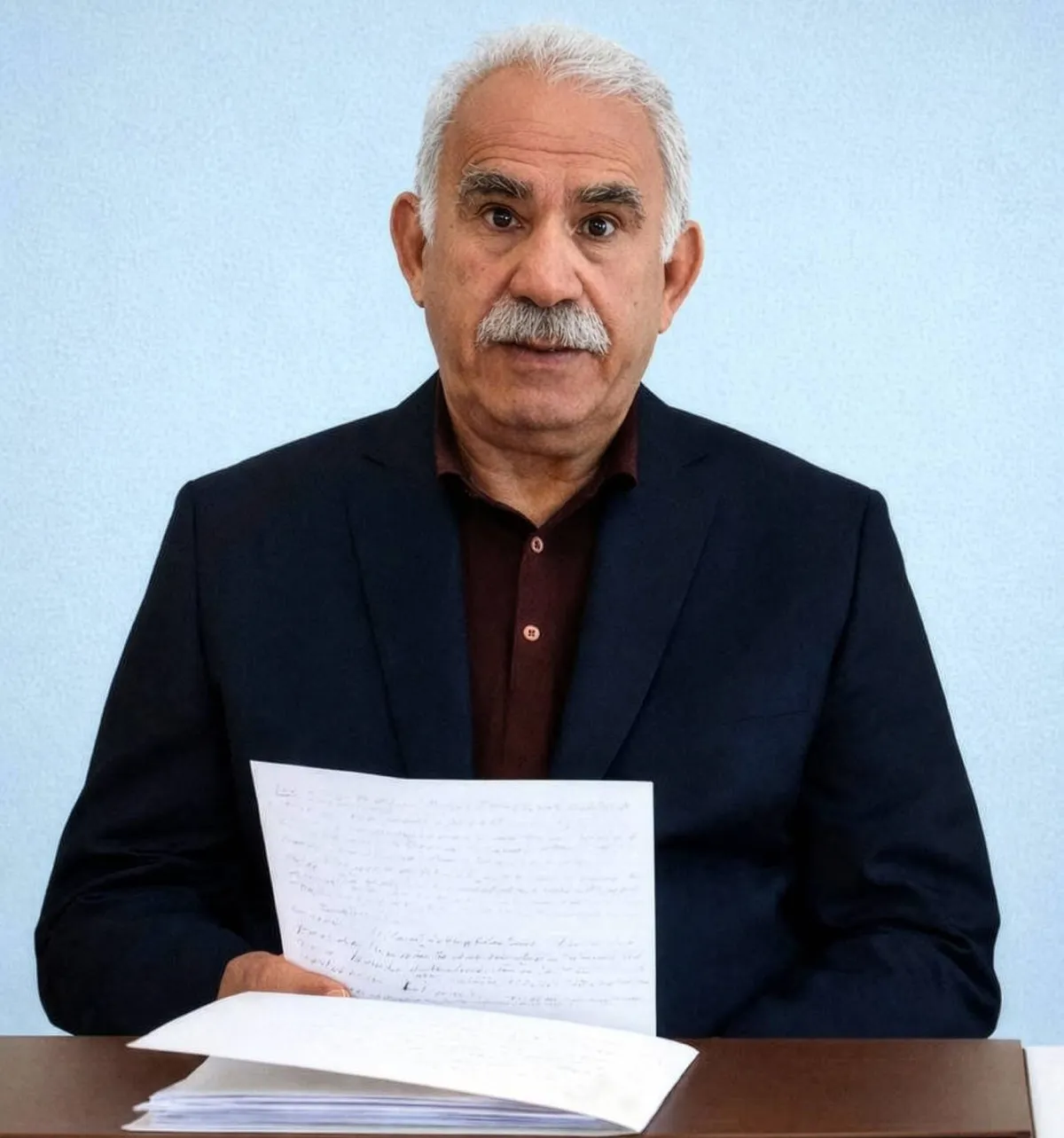
Speculation is mounting in Ankara regarding the potential formation of a new pro-Kurdish political party, reportedly at the behest of Abdullah Öcalan, the imprisoned leader of the Kurdistan Workers' Party (PKK). This development coincides with the ongoing "peace process," which the Turkish government has dubbed "a Turkey free of terrorism."
While officials and parliamentarians from the pro-Kurdish Peoples' Equality and Democracy Party (DEM Party) have neither confirmed nor denied the possibility of such a party, reports suggest that Öcalan envisions comprehensive changes within the Kurdish political landscape.
The envisioned party would potentially replace the DEM Party, which is widely perceived as a political front for the PKK. Öcalan reportedly seeks to dispel this notion.
Talk of a new party capable of attracting a broader base of both Turkish and Kurdish voters has intensified, framed within the concept of "democratic integration" that Öcalan articulated in a message from İmralı prison on February 27.
Observers have noted the emphasis on change, democratic integration, constructive engagement, and the dawn of a new political era in Öcalan's message, signaling a potential shift in Kurdish politics.
Öcalan's call for mutual understanding, freedom of expression, and a departure from what he termed "authoritarian and domineering" rhetoric has also been highlighted. This shift suggests a move away from violence towards a democratic society rooted in the rule of law, further indicating his desire to reshape Kurdish political structures and sever ties with the PKK's past.
According to the Turkish newspaper Nefes, the ruling Justice and Development Party (AK Party), led by President Recep Tayyip Erdoğan, is reportedly engaged in internal discussions regarding the potential formation of a new Kurdish party. This party, envisioned by Öcalan, would emerge after the conclusion of the "peace and democratic society" process, with a new and inclusive vision aimed at securing votes from both Kurdish and Turkish electorates.
The AK Party is said to be navigating a delicate situation, particularly in light of demands made by the DEM Party within the framework of the peace process. Sources within the ruling party emphasize the need for caution and restraint, noting that escalating tensions or making pronouncements that suggest the necessity of certain actions could be misconstrued by the party's wavering base.
These officials stress the importance of allowing time to comprehend the unfolding situation, urging increased vigilance. They caution that statements that imply a restructuring of the state would ultimately undermine the process, emphasizing that the ruling party must act responsibly, considering its voter base.
Conversely, officials from the DEM Party have not denied the possibility of establishing a new party to supersede their own. Öztürk Türkdoğan, the co-chair of the DEM Party, confirmed ongoing communication with Öcalan through the "İmralı delegation," comprising parliamentarians Pervin Buldan and Mithat Sancar, stating that while these specific issues have not yet been discussed, they will certainly be addressed in the future.
Saruhan Oluç, a DEM Party parliamentarian representing Antalya, stated that the party will hold its general congress this year, during which all shortcomings will be discussed. He added that there are clauses in the party's charter that require amendment and that ongoing assessments are being conducted to facilitate restructuring.
In the May elections, the DEM Party replaced the Peoples' Democratic Party (HDP), which has been facing a lawsuit calling for its closure due to alleged links with the PKK. The case has been pending before the Constitutional Court for several years.
In 2017, Turkish authorities arrested the co-chairs of the HDP, Selahattin Demirtaş and Figen Yüksekdağ, along with several other party members and Kurdish politicians, on terrorism-related charges. These cases remain unresolved.
The European Court of Human Rights (ECHR) has repeatedly called for the immediate release of Demirtaş, citing violations of his legal rights, but Turkish authorities have not complied.
There is growing anticipation that Demirtaş and other politicians may be released as part of the "peace process," especially given that the parliamentary committee tasked with establishing the legal framework for resolving the PKK issue has recommended adherence to the decisions of both the ECHR and the Turkish Constitutional Court.
The "İmralı delegation" visited Demirtaş at the high-security Edirne Prison to discuss developments in the "peace process" and the steps expected to be taken by the Turkish Parliament in light of the report submitted by the Committee on National Solidarity, Brotherhood, and Democracy on February 18, following approximately seven months of work.