 Milan-Cortina 2026 Olympic Winter Games: freestyle skiing women's freeski slopestyle qualification
Orange Jordan Sponsors Al Hussein Technical University’s "Leadathon"
The CEO of Orange Jordan Visits Yarmouk University President to Strengthen the Strategic Partnership
*Orange Jordan Showcases Fabrication Lab Innovations at the Makers’ Forum
3 Winners at Orange Summer Challenge 2024 Join the “Social Innovation” Journey Fostering "Tech4Impact”
Estarta Named Cisco Systems' Distinguished Supplier of the Year 2024
Milan-Cortina 2026 Olympic Winter Games: freestyle skiing women's freeski slopestyle qualification
Orange Jordan Sponsors Al Hussein Technical University’s "Leadathon"
The CEO of Orange Jordan Visits Yarmouk University President to Strengthen the Strategic Partnership
*Orange Jordan Showcases Fabrication Lab Innovations at the Makers’ Forum
3 Winners at Orange Summer Challenge 2024 Join the “Social Innovation” Journey Fostering "Tech4Impact”
Estarta Named Cisco Systems' Distinguished Supplier of the Year 2024
CAIRO - The Egyptian pound has weakened against the U.S. dollar, sparking concerns about rising inflation amid escalating tensions in the Middle East. The dollar's surge is raising fears of increased prices for essential goods and services in Egypt.
The Egyptian currency approached the 50-pound mark against the dollar, a level unseen since July. The Central Bank of Egypt recorded a rate of 49.17 pounds per dollar on Monday, a notable increase from the previous stability around 47 pounds.
Economists and analysts in Egypt are worried about the potential impact of the rising dollar on market prices. They suggest that continued regional conflicts could strain the Egyptian economy by reducing foreign currency revenues and increasing oil and energy costs.
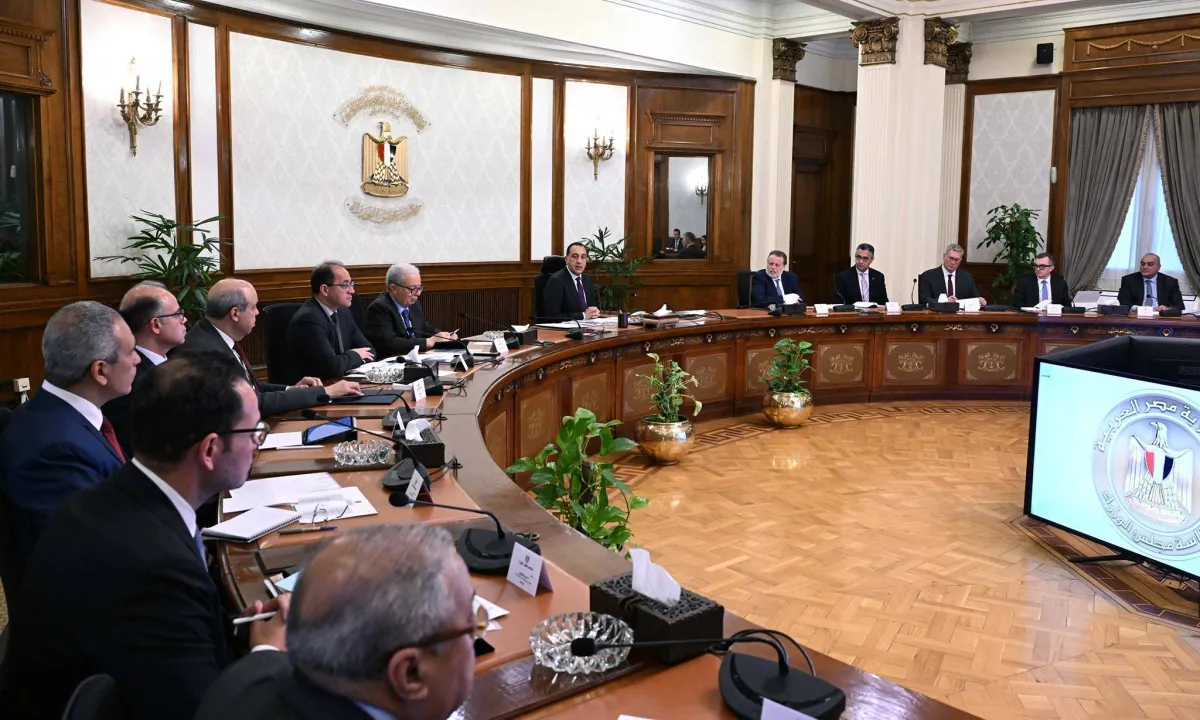
Prime Minister Mostafa Madbouly chaired a meeting of the economic ministerial group on Monday to discuss strategies for managing the fallout from regional conflicts. He affirmed the existence of a coordinated plan between the government and the central bank to secure the necessary foreign exchange for essential food, petroleum products, and production inputs.
Acknowledging the unpredictability of the situation, the Prime Minister emphasized the importance of considering various scenarios and implementing precautionary measures to address potential developments.
According to a cabinet statement, the military operations' adverse effects on global markets and international economic activity have impacted currency exchange rates worldwide, driven by uncertainty in international markets.
Egyptian economist Walid Gaballah views the increase in the dollar's exchange rate in Egypt as "natural" given the expected consequences of regional conflict. He noted that the Egyptian government adheres to a flexible exchange rate policy, allowing the dollar's value to fluctuate.
The Egyptian pound's value has been declining since the government initiated its economic reform program with the International Monetary Fund in March, adopting market-based mechanisms for determining the pound's exchange rate.
Gaballah stated that the true effects on the Egyptian economy have not yet been fully realized, expressing concerns about potential negative impacts if military operations persist. He anticipates adverse effects on Suez Canal revenues, domestic tourism, and remittances from Egyptians abroad.
Gaballah believes that the economic consequences of the conflict will affect the prices of goods and services in Egypt. However, he suggests that the impact may not be immediately apparent, as the Egyptian market still has available products.
President Abdel Fattah al-Sisi reassured Egyptians about the availability of safe reserves of goods during an event organized by the Egyptian Armed Forces. However, he cautioned about the potential for a prolonged crisis, stating, "We do not know the extent of the crisis's continuation."
Mahmoud El Askalany, head of the "Citizens Against High Prices" association in Egypt, fears imminent price increases in the Egyptian market due to the economic repercussions of the conflict and the rising dollar. He noted that some merchants have already started raising prices on certain goods, such as meat and food products.
El Askalany called for government intervention to control market prices, strengthen monitoring campaigns, and introduce alternative goods to prevent market monopolies.