 Milan-Cortina 2026 Olympic Winter Games: freestyle skiing women's freeski slopestyle qualification
Orange Jordan Sponsors Al Hussein Technical University’s "Leadathon"
The CEO of Orange Jordan Visits Yarmouk University President to Strengthen the Strategic Partnership
*Orange Jordan Showcases Fabrication Lab Innovations at the Makers’ Forum
3 Winners at Orange Summer Challenge 2024 Join the “Social Innovation” Journey Fostering "Tech4Impact”
Estarta Named Cisco Systems' Distinguished Supplier of the Year 2024
Milan-Cortina 2026 Olympic Winter Games: freestyle skiing women's freeski slopestyle qualification
Orange Jordan Sponsors Al Hussein Technical University’s "Leadathon"
The CEO of Orange Jordan Visits Yarmouk University President to Strengthen the Strategic Partnership
*Orange Jordan Showcases Fabrication Lab Innovations at the Makers’ Forum
3 Winners at Orange Summer Challenge 2024 Join the “Social Innovation” Journey Fostering "Tech4Impact”
Estarta Named Cisco Systems' Distinguished Supplier of the Year 2024
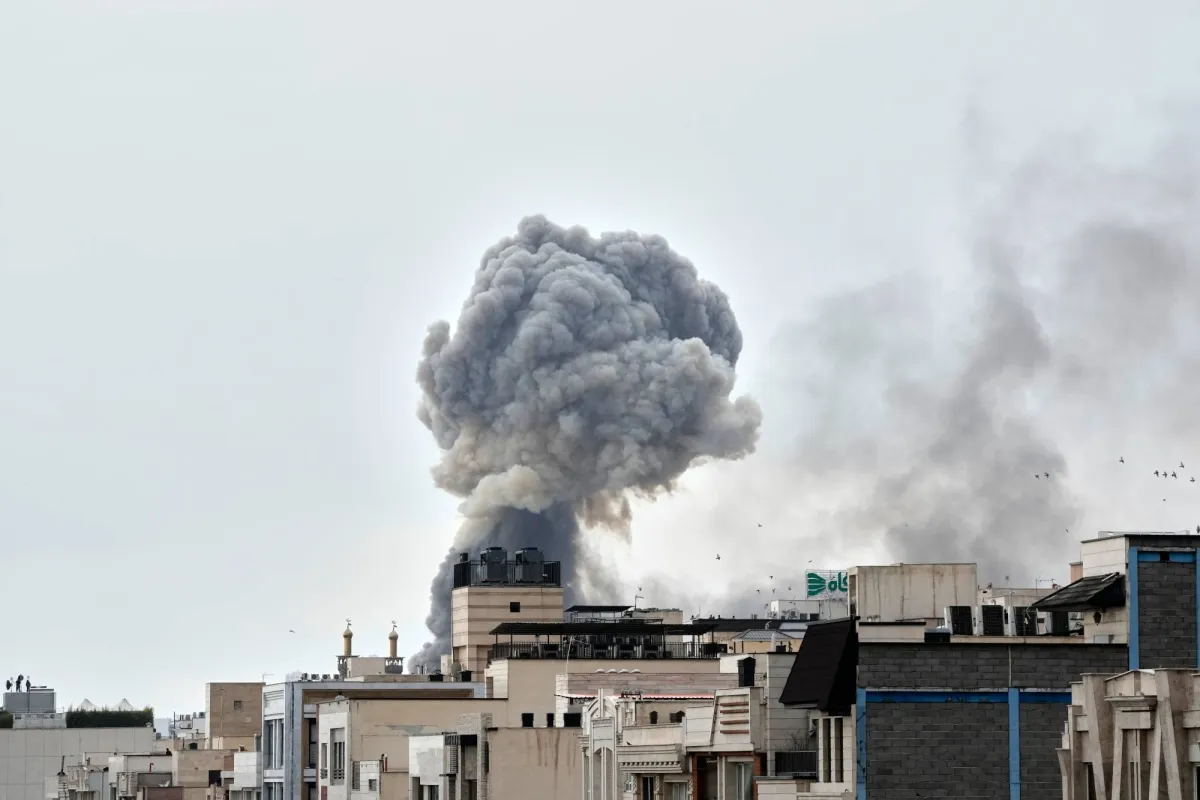
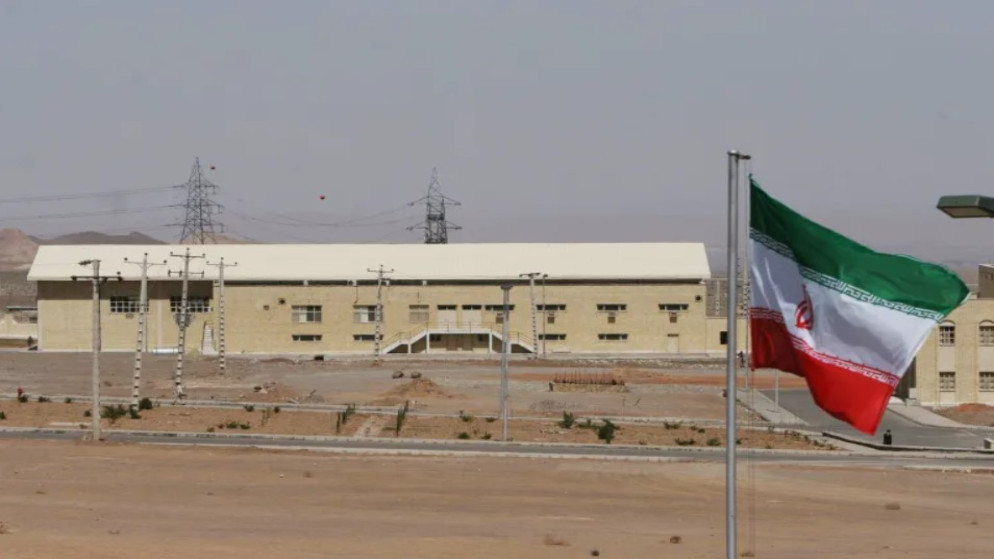
The U.S. military has outlined an initial timeline and some details regarding a military operation in Iran, according to General Dan Ken, Chairman of the Joint Chiefs of Staff.
The operation commenced following what the U.S. Central Command described as a “final launch order” received from President Donald Trump at 3:38 p.m. EST on February 27, stating, “Operation Epic Wrath approved. No cancellation. Good luck.”
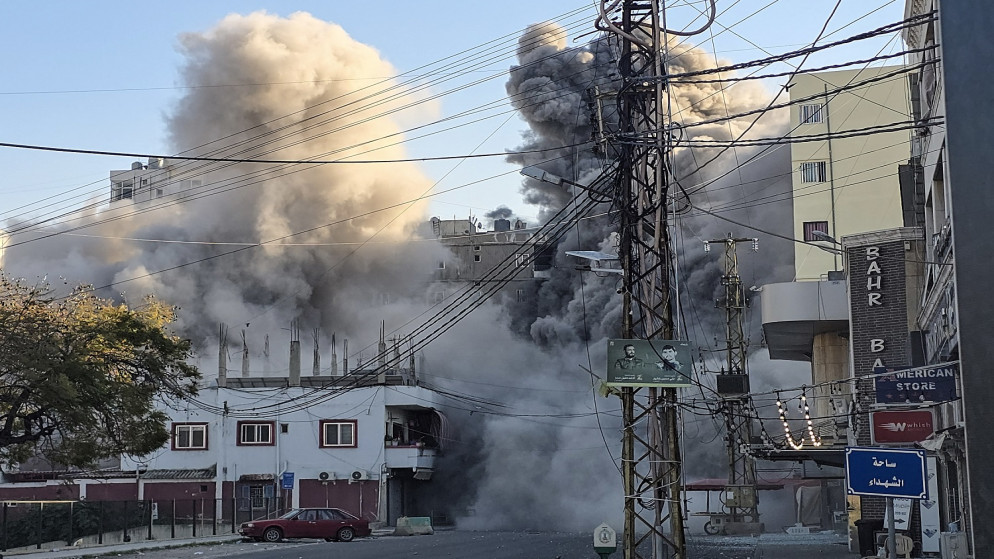
U.S. forces had finalized preparations, with air defense batteries checking systems and pilots training for strike sequences. Aircraft crews began loading weapons, and carrier groups moved toward launch points. The initial strikes involved Tomahawk missiles from the Navy and long-range precision weapons from ground forces, hitting over 1,000 targets in the first 24 hours.
Cyber Command and Space Command initiated efforts to disrupt Iran's ability to communicate and respond before the attack commenced. According to Gen. Ken, the first phase focused on Iranian command and control infrastructure, naval forces, ballistic missile sites, and intelligence infrastructure, “with the goal of disrupting and confusing them.”
Israel separately conducted hundreds of sorties against numerous targets. Patriot and THAAD batteries, along with Navy destroyers capable of intercepting ballistic missiles, continue to provide support, intercepting hundreds of missiles targeting U.S. and partner forces. The threat from attack drones persists.
The military reported that four U.S. soldiers have been killed and four seriously injured since the operation began.
The daytime attack also involved a “surprise move by Israeli defense forces with the assistance of U.S. intelligence,” according to Ken. This was an apparent reference to a surprise attack by Israel on Iranian Supreme Leader Ali Khamenei with intelligence support.
These efforts included U.S. B-2 bombers executing a 37-hour round trip from the United States.
The combined impact of the strikes established air superiority, enhancing the protection of U.S. forces and allowing them to continue operations over Iran.