 Milan-Cortina 2026 Olympic Winter Games: freestyle skiing women's freeski slopestyle qualification
Orange Jordan Sponsors Al Hussein Technical University’s "Leadathon"
The CEO of Orange Jordan Visits Yarmouk University President to Strengthen the Strategic Partnership
*Orange Jordan Showcases Fabrication Lab Innovations at the Makers’ Forum
3 Winners at Orange Summer Challenge 2024 Join the “Social Innovation” Journey Fostering "Tech4Impact”
Estarta Named Cisco Systems' Distinguished Supplier of the Year 2024
Milan-Cortina 2026 Olympic Winter Games: freestyle skiing women's freeski slopestyle qualification
Orange Jordan Sponsors Al Hussein Technical University’s "Leadathon"
The CEO of Orange Jordan Visits Yarmouk University President to Strengthen the Strategic Partnership
*Orange Jordan Showcases Fabrication Lab Innovations at the Makers’ Forum
3 Winners at Orange Summer Challenge 2024 Join the “Social Innovation” Journey Fostering "Tech4Impact”
Estarta Named Cisco Systems' Distinguished Supplier of the Year 2024

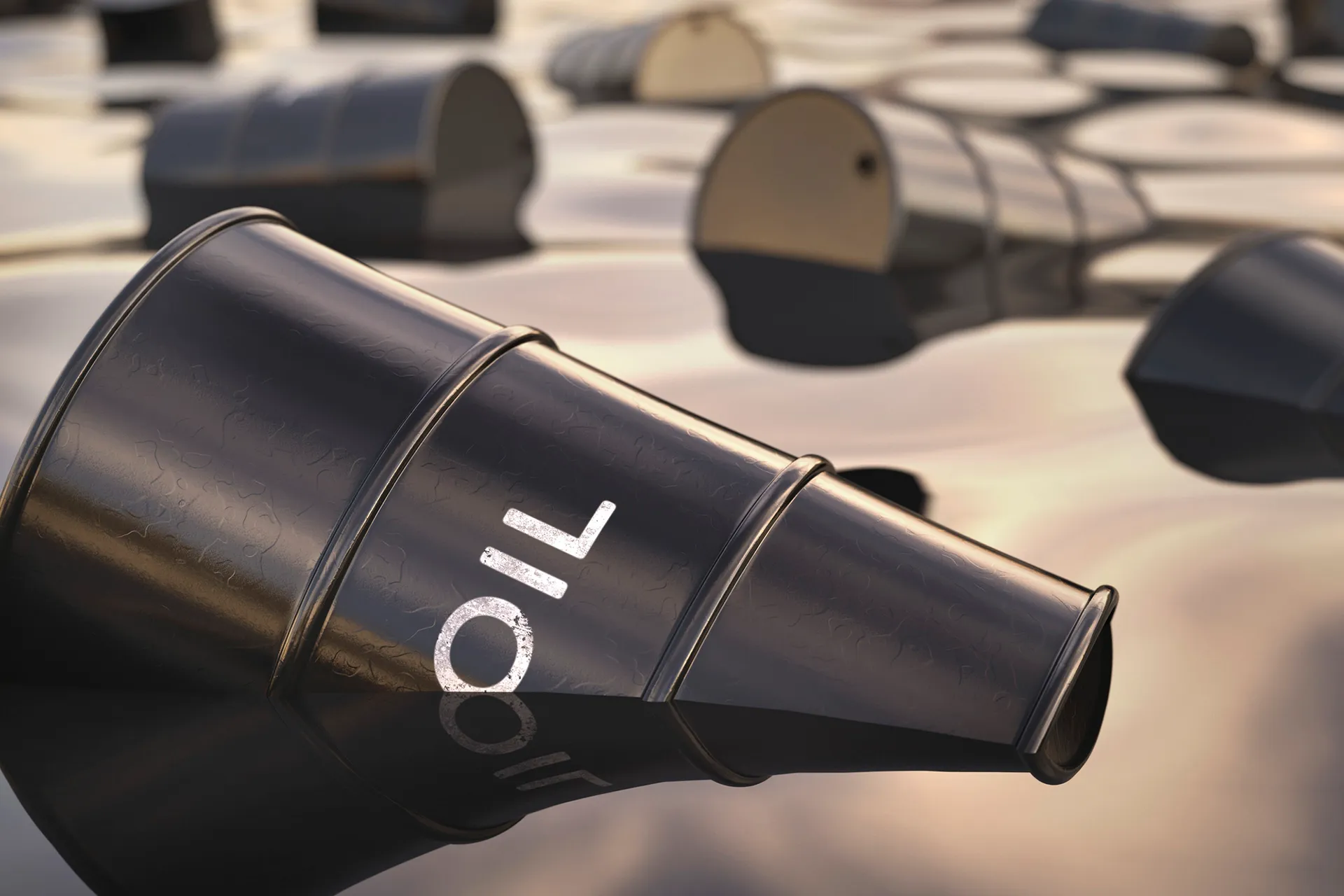
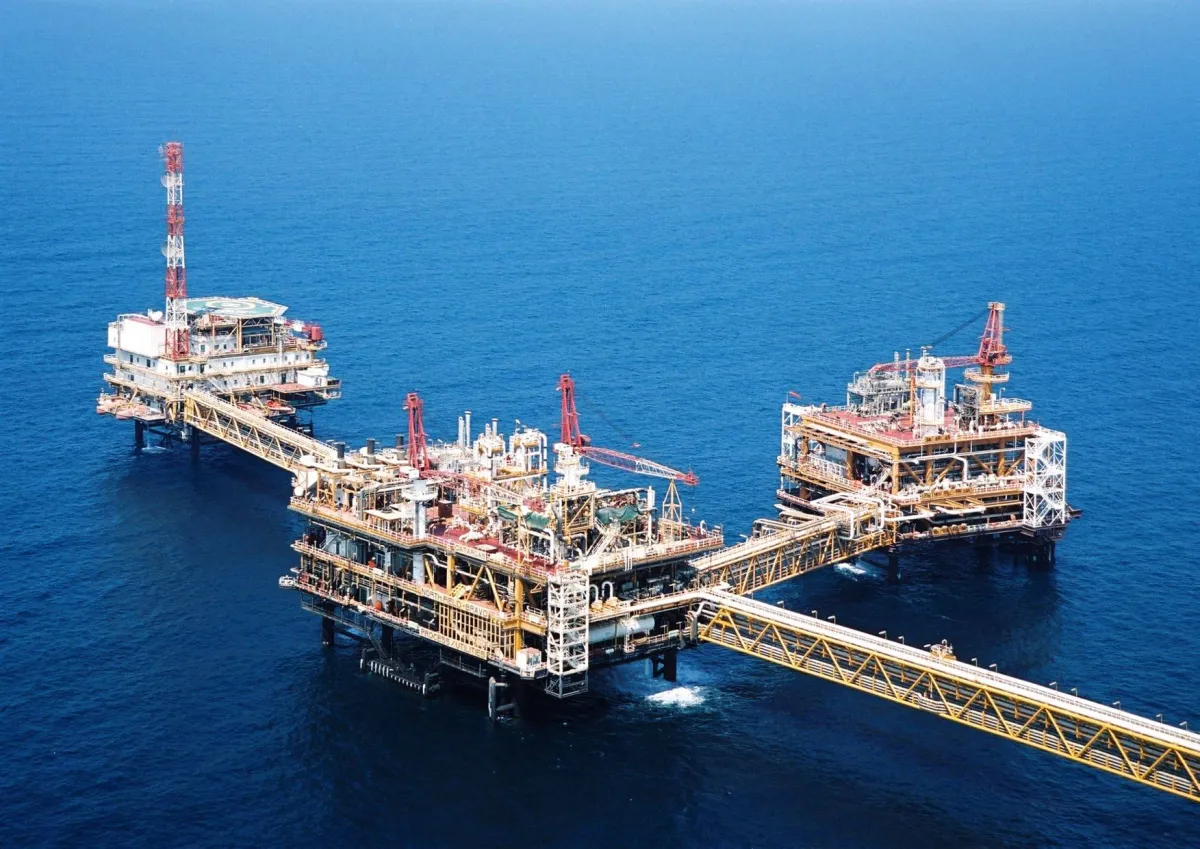
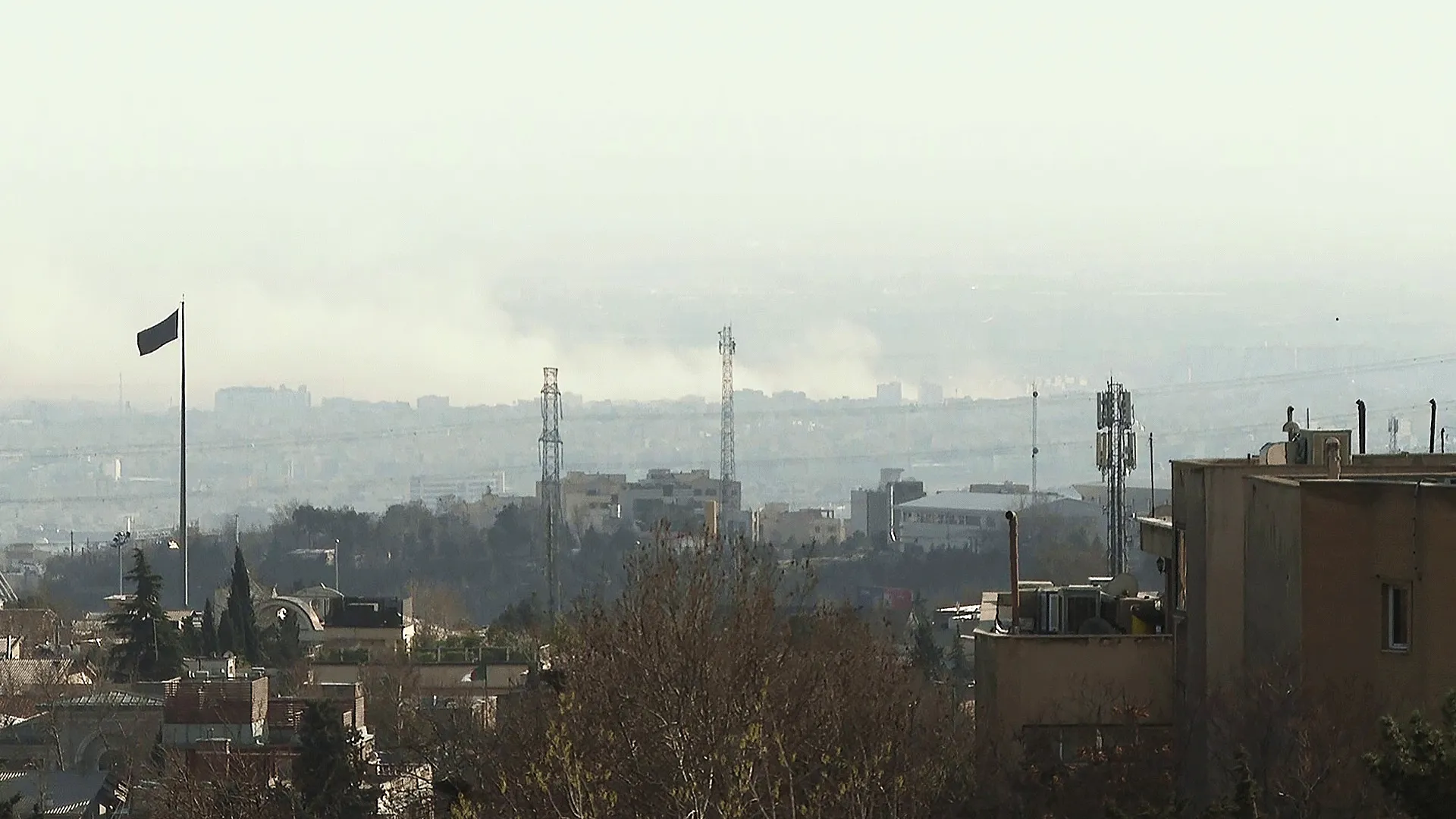
Escalating tensions involving Iran are disrupting oil flows to Asia, causing shipping costs to surge as vessels navigate heightened risks in the region, according to energy sector sources and analysts.
The situation has led to a build-up of ships in the Gulf, significantly increasing both shipping and insurance expenses, impacting Asian nations heavily reliant on Middle Eastern crude oil.
While Iran has not officially closed the Strait of Hormuz, the avoidance of risks by shipping companies has effectively reduced shipping volumes, with vessels remaining outside the waterway, according to Citigroup analysts.
Asia, the world's largest oil-consuming region, imports approximately 60% of its needs from Middle Eastern producers, placing it at the epicenter of the fallout from the tensions.
Around 20% of global oil production and a similar percentage of liquefied natural gas (LNG) pass through the Strait of Hormuz, making it a vital artery for global energy supplies.
Global oil prices have already risen by approximately 9%, having previously surged by as much as 13% during trading.
Reports indicate that several oil tankers have been damaged in attacks, resulting in casualties, while around 200 ships have paused near the strait to avoid potential hazards. Furthermore, some insurance firms have cancelled war risk coverage, contributing to increased transportation costs.
Japan's Chief Cabinet Secretary stated that some crude oil tankers bound for Japan are waiting in the Gulf to avoid crossing the Strait of Hormuz.
Japanese trading company Itochu Corp. reported that it is experiencing "some impact" on its shipments of oil and petroleum products and will seek to secure supplies from outside the Middle East.
Eneos, Japan's largest refiner, confirmed it is assessing the impact of the developments on its future purchases.
Despite the disruptions, Tokyo indicated that it does not currently plan to draw from its strategic reserves, which are among the largest in the world.
In contrast, Indian sources reported that some refining companies have informed their Middle Eastern suppliers of their inability to charter vessels for loading oil.
India's Ministry of Petroleum has discussed alternative options with refining companies, including the possibility of increasing imports from Russia if the crisis persists for more than 10 to 15 days.
Analysts warn that any prolonged disruption to LNG exports from Qatar, Oman, and the UAE would severely affect Asian buyers, particularly Pakistan, India, and Bangladesh.
China and Japan are the world's largest importers of LNG, with Japan primarily relying on Australia to secure its needs.
Tokyo has confirmed that it has reserves sufficient for approximately three weeks of domestic consumption.
Any prolonged disruption in the Strait of Hormuz could strain supplies to China and India, the world's largest and third-largest oil importers, potentially prompting them to utilize stockpiles and reduce refining rates.
The International Energy Agency (IEA), composed mostly of developed economies, requires its members to maintain oil stocks equivalent to at least 90 days of their net oil imports as a precautionary measure against crises.
Energy markets remain on high alert, with concerns that continued escalation could lead to a prolonged disruption, reshaping oil and gas flows to Asia and increasing energy costs globally.