 Milan-Cortina 2026 Olympic Winter Games: freestyle skiing women's freeski slopestyle qualification
Orange Jordan Sponsors Al Hussein Technical University’s "Leadathon"
The CEO of Orange Jordan Visits Yarmouk University President to Strengthen the Strategic Partnership
*Orange Jordan Showcases Fabrication Lab Innovations at the Makers’ Forum
3 Winners at Orange Summer Challenge 2024 Join the “Social Innovation” Journey Fostering "Tech4Impact”
Estarta Named Cisco Systems' Distinguished Supplier of the Year 2024
Milan-Cortina 2026 Olympic Winter Games: freestyle skiing women's freeski slopestyle qualification
Orange Jordan Sponsors Al Hussein Technical University’s "Leadathon"
The CEO of Orange Jordan Visits Yarmouk University President to Strengthen the Strategic Partnership
*Orange Jordan Showcases Fabrication Lab Innovations at the Makers’ Forum
3 Winners at Orange Summer Challenge 2024 Join the “Social Innovation” Journey Fostering "Tech4Impact”
Estarta Named Cisco Systems' Distinguished Supplier of the Year 2024
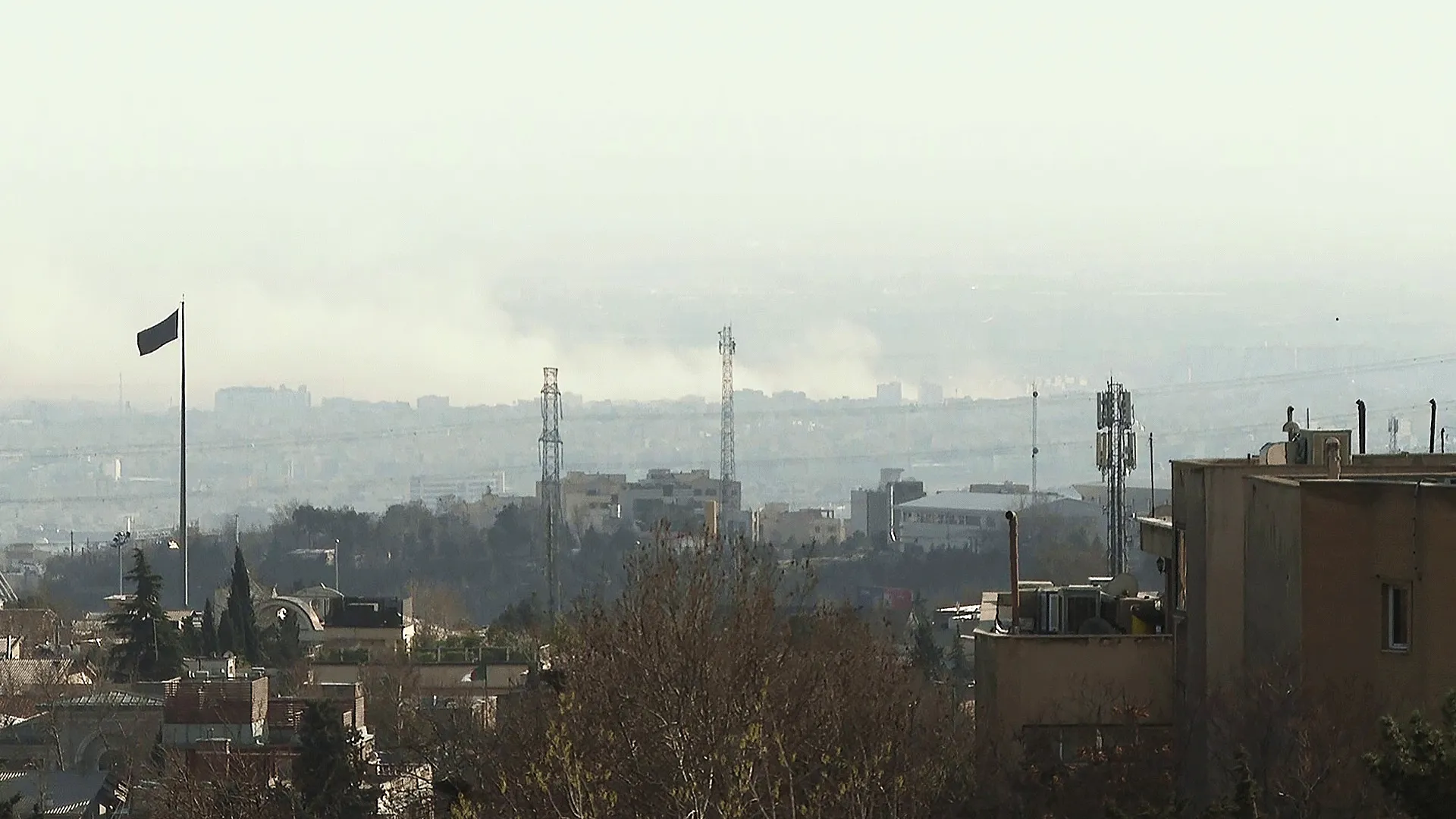
Escalating tensions in the Gulf are raising concerns about the security of energy infrastructure, with experts warning of potential disruptions to global energy markets.
Recent incidents, including reported attacks on energy facilities, have heightened anxieties about the vulnerability of critical infrastructure in the region. These developments occur against a backdrop of strained relations involving Iran and other actors, fueling speculation about the motives and potential consequences of such actions.
Analysts suggest that targeting economic installations represents a calculated escalation, potentially aimed at increasing pressure on international players to de-escalate regional conflicts. By disrupting energy markets, Iran may be seeking to raise the stakes and assert its influence.
“The targeting of economic facilities represents the second phase of systematic Iranian escalation,” said Dr. Saleh Al-Mutairi, head of the Madar Center for Political Studies. He noted that the idea of exerting pressure through the Gulf and the Strait of Hormuz is not new in Iranian political literature, dating back to the Iran-Iraq war.
The potential for disruptions to energy supplies is particularly concerning given the region's significance in global energy markets. Approximately 30% of the world's energy and 20% of its gas transit through the area, making it a vital artery for global energy trade.
“About 30% of the world’s energy and 20% of gas come out of this region,” explained Dr. Abdullah Bandar Al-Otaibi, Assistant Professor in the Department of International Affairs at Qatar University, cautioning that the cessation of Qatari exports, which amount to about 77 million tons annually, would affect vast markets from Europe to Asia.
In response to these developments, Gulf states face a dual challenge: reassuring global markets and safeguarding their critical infrastructure. While Gulf countries have demonstrated a capacity to manage the situation, the targeting of economic facilities remains a contentious issue.
“The role of the Gulf states has become twofold, both in reassuring global markets within the framework of OPEC Plus, and in protecting their vital facilities and confronting missile and drone attacks,” Al-Mutairi stated.
Some experts argue that Iran is employing a strategy of “arming geography,” leveraging its strategic location and control over key waterways to exert geopolitical pressure. This approach is seen as a means of compensating for perceived imbalances of power.
Dr. Mahjoob Al-Zuwairi, an academic expert in Middle East politics, said that Iran is resorting to what he called “arming geography” by turning the geographical location, the Strait of Hormuz, and energy security into geopolitical pressure tools to compensate for the imbalance of power with its rivals.
The situation has already had repercussions on energy prices, with reports of significant increases in gas prices in response to supply disruptions. This volatility underscores the sensitivity of global markets to geopolitical tensions in the region.
International media reports indicate that energy markets have recorded sharp jumps in gas prices, in light of the repercussions of regional tensions and supply disruptions.
Bloomberg reported that gas prices in Europe jumped 50% following the halt in liquefied natural gas production in Qatar, in a development that reflects the sensitivity of the European market to any disruption in supplies.
NBC mentioned that natural gas prices in the United States rose by about 5.2%, affected by fears of the expansion of the crisis and its repercussions on global markets.
As tensions persist, concerns remain about the potential for further escalation and the broader implications for regional stability and the global economy.