 Milan-Cortina 2026 Olympic Winter Games: freestyle skiing women's freeski slopestyle qualification
Orange Jordan Sponsors Al Hussein Technical University’s "Leadathon"
The CEO of Orange Jordan Visits Yarmouk University President to Strengthen the Strategic Partnership
*Orange Jordan Showcases Fabrication Lab Innovations at the Makers’ Forum
3 Winners at Orange Summer Challenge 2024 Join the “Social Innovation” Journey Fostering "Tech4Impact”
Estarta Named Cisco Systems' Distinguished Supplier of the Year 2024
Milan-Cortina 2026 Olympic Winter Games: freestyle skiing women's freeski slopestyle qualification
Orange Jordan Sponsors Al Hussein Technical University’s "Leadathon"
The CEO of Orange Jordan Visits Yarmouk University President to Strengthen the Strategic Partnership
*Orange Jordan Showcases Fabrication Lab Innovations at the Makers’ Forum
3 Winners at Orange Summer Challenge 2024 Join the “Social Innovation” Journey Fostering "Tech4Impact”
Estarta Named Cisco Systems' Distinguished Supplier of the Year 2024
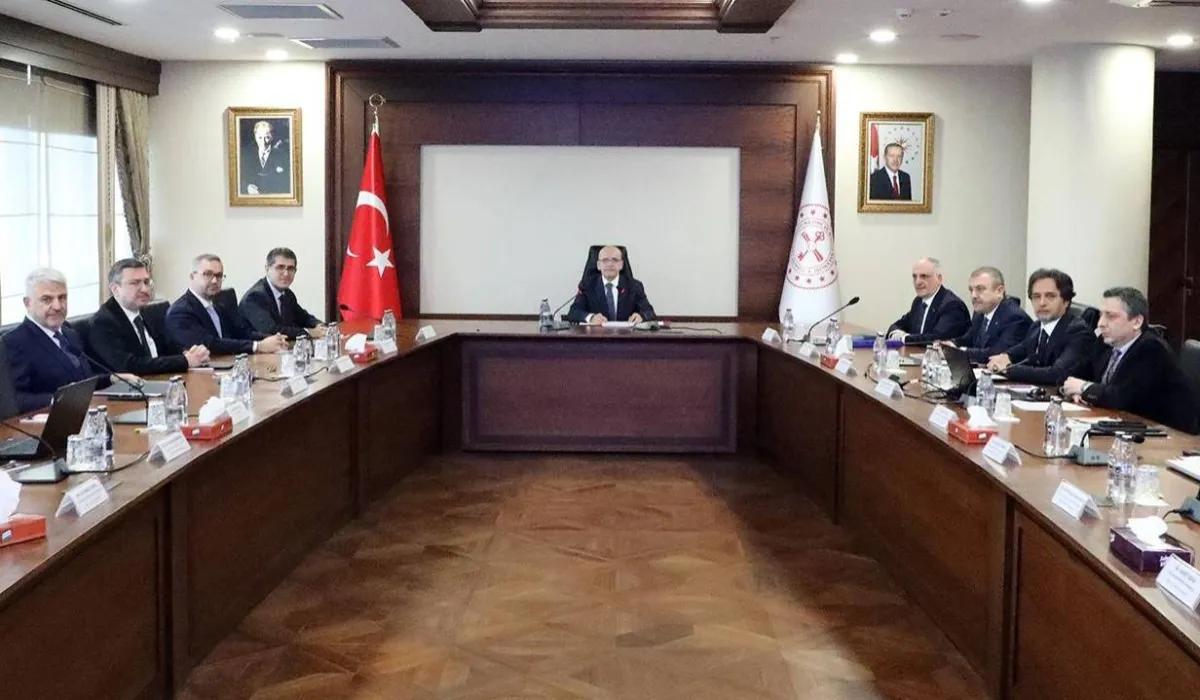
Turkish markets experienced turbulence following recent geopolitical tensions, triggering concerns about inflation and interest rates. The Istanbul stock exchange initially saw a sharp decline, while the Turkish lira faced intervention from the central bank to prevent a significant drop.
The BIST 100 index opened with a 5.3% loss due to investor sell-offs driven by fears of escalating tensions before recovering to around a 4% loss by midday. Simultaneously, yields on lira-denominated bonds increased amid concerns that conflict could exacerbate inflation due to rising crude oil prices.
In response to the market volatility, the Turkish central bank injected approximately $5 billion into the market through state-owned banks to stabilize the lira, which briefly weakened to over 44 against the dollar following attacks on Iran. The lira subsequently stabilized at 43.97 against the dollar, close to its pre-attack level of 43.85.
The central bank also increased lira transactions in the derivatives market. The Financial Stability Committee, led by Treasury and Finance Minister Mehmet Şimşek, implemented measures across foreign exchange, stock, and fund markets to protect investors from increased volatility. These measures included a ban on short selling until March 6 and reduced minimum capital requirements for stocks.
The Financial Stability Committee stated it assessed potential scenarios and the impact of geopolitical developments and the conflict on financial stability. The committee affirmed its commitment to monitoring market movements and energy price fluctuations, and readiness to take necessary measures to ensure market efficiency and minimize potential negative impacts on the Turkish economy.
Furthermore, the central bank indirectly raised interest rates by suspending funding through weekly repurchase auctions (repo), its primary monetary policy tool. This shift forces the banking system to seek funding from a higher-cost window at 40%, compared to the current policy rate of 37%.
The central bank also announced forward foreign exchange sales settled in lira, the issuance of liquidity-absorbing bills to withdraw excess lira from the markets, and increased direct purchases of lira-denominated bonds.
Experts anticipate that the central bank may halt its monetary easing cycle at its March 12 Monetary Policy Committee meeting. Previously, a rate cut from 37% to 36% had been expected. However, rising oil prices have increased inflationary pressures, potentially leading to a jump in inflation figures for March.
The Turkish central bank's quarterly inflation report in February projected an end-of-year inflation rate between 15% and 21%, assuming an average oil price of $60.9 per barrel for the year.
Fatih Akcelik, an economist at JP Morgan Chase & Co., suggested in a note that the central bank might forgo a previously anticipated 100-basis-point rate cut at the March 12 meeting due to increased risk premiums and inflation expectations. The note also highlighted the central bank's temporary increase of the weighted average funding cost by 300 basis points to 40% in response to Middle East tensions, and its initiation of forward foreign exchange sales in lira to meet hedging needs of Turkish companies.
Economist Alaeddin Aktaş anticipates a significant rise in inflation in March, driven by increased energy prices, particularly crude oil, following the geopolitical tensions.
The Turkish Statistical Institute is scheduled to release inflation figures for February. Expectations point to a 3% increase in the monthly rate, raising annual inflation to 31.6%, compared to 30.6% in January.
Aktaş noted that a 3% inflation rate in February would bring the total increase for the first two months of the year to approximately 8%. This would leave the central bank with a narrow margin of error of 7.4% for its annual inflation target of 16%, making any significant change within the remaining ten months unlikely.
Ahead of the nationwide inflation figures, data from the Istanbul Chamber of Commerce revealed a 3.85% increase in the consumer price index in Istanbul during February, with annual inflation reaching 37.88%. Experts attributed the monthly and annual increases primarily to price movements in the food and services sectors, as well as seasonal factors and market conditions.
Aktaş concluded that while the ultimate consequences of geopolitical tensions remain uncertain, the resulting picture is likely to be unfavorable, with rising energy prices, particularly crude oil, leading to a significant surge in inflation.