 Milan-Cortina 2026 Olympic Winter Games: freestyle skiing women's freeski slopestyle qualification
Orange Jordan Sponsors Al Hussein Technical University’s "Leadathon"
The CEO of Orange Jordan Visits Yarmouk University President to Strengthen the Strategic Partnership
*Orange Jordan Showcases Fabrication Lab Innovations at the Makers’ Forum
3 Winners at Orange Summer Challenge 2024 Join the “Social Innovation” Journey Fostering "Tech4Impact”
Estarta Named Cisco Systems' Distinguished Supplier of the Year 2024
Milan-Cortina 2026 Olympic Winter Games: freestyle skiing women's freeski slopestyle qualification
Orange Jordan Sponsors Al Hussein Technical University’s "Leadathon"
The CEO of Orange Jordan Visits Yarmouk University President to Strengthen the Strategic Partnership
*Orange Jordan Showcases Fabrication Lab Innovations at the Makers’ Forum
3 Winners at Orange Summer Challenge 2024 Join the “Social Innovation” Journey Fostering "Tech4Impact”
Estarta Named Cisco Systems' Distinguished Supplier of the Year 2024
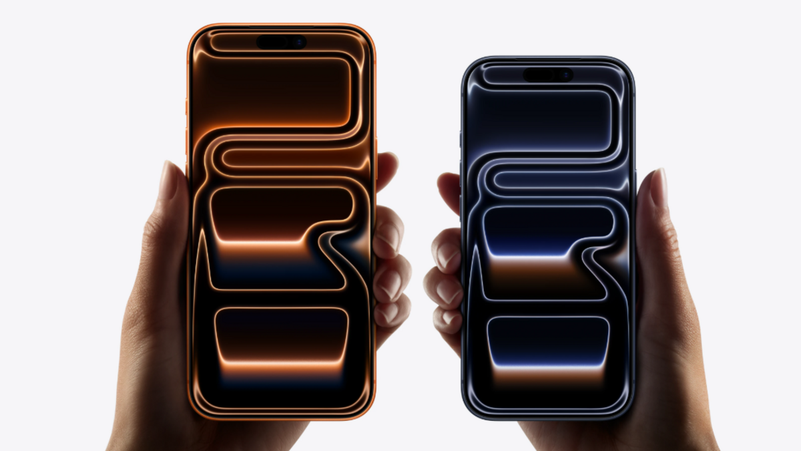
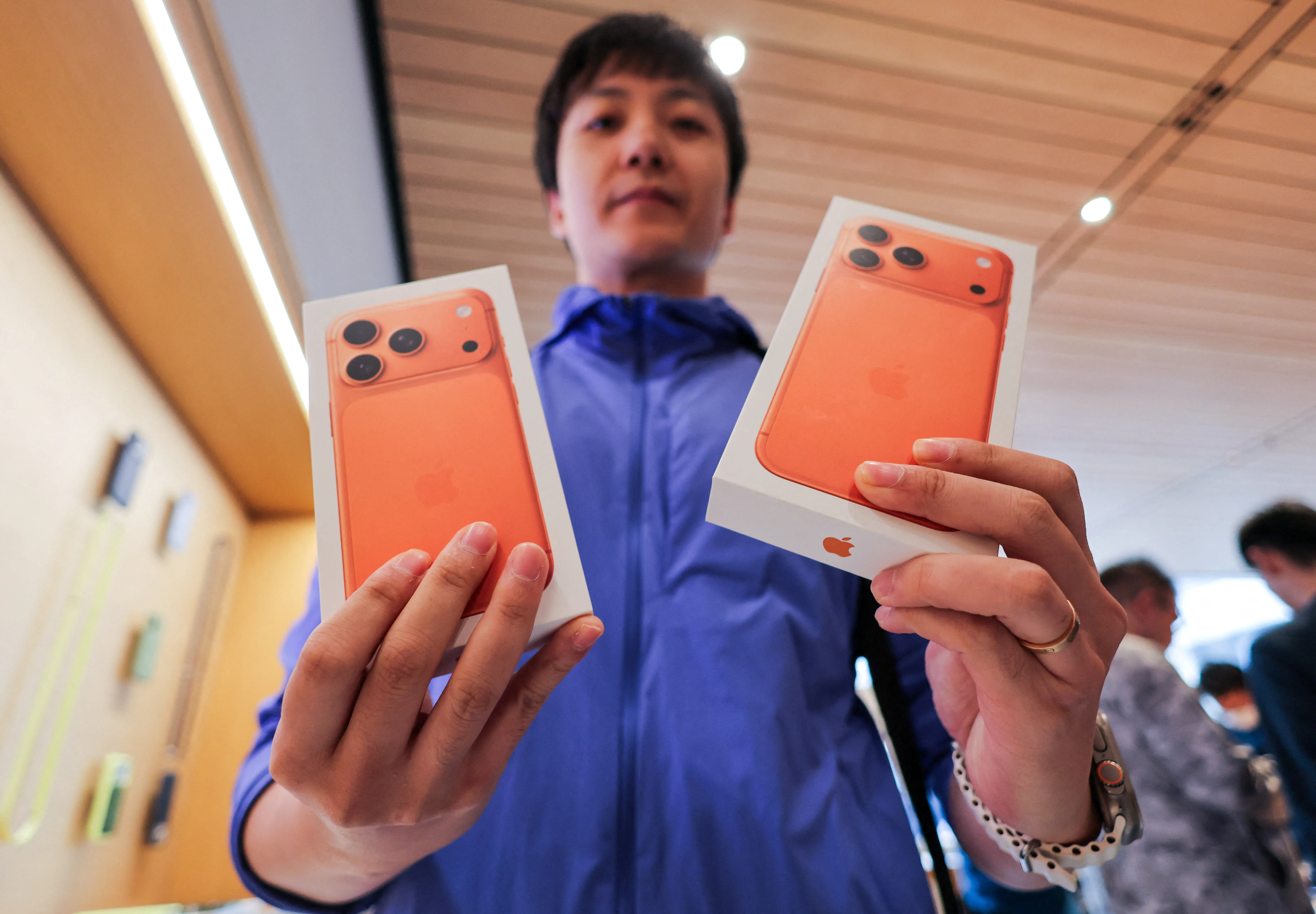
A surge in the resale of iPhone 17 Pro Max devices in recent weeks has sparked debate about the underlying reasons, with some questioning the phone's appeal.
However, a recent report suggests that the increased availability of used iPhone 17 Pro Max units does not necessarily indicate a lack of popularity. Instead, it may be a reflection of the device's strong value retention, which incentivizes owners to sell early and capitalize on its high resale price.
Despite the increase in the used market, the iPhone 17 Pro Max was still ranked among the best-selling phones globally last year. Data indicates the iPhone 17 Pro Max lost approximately 25.4% of its value in the 145 days following its release. In comparison, the iPhone 16 Pro Max lost 32.5% during the same period after launch.
This difference allows owners of the newer model to resell it at a comparatively higher price, explaining why it leads in trade-in programs, surpassing both the iPhone 15 Pro Max and iPhone 14 Pro Max. According to the report, the iPhone 17 Pro Max’s share of total trade-ins increased from 5.1% to 11.5%.
While the report does not specify where users are going after selling their devices, it is likely they are opting for less expensive models like the iPhone 17 Pro or the standard iPhone 17, or even reverting to the previous generation. Although a move to Android has been suggested, data shows that nearly all of the most traded-in phones are iPhones, with the Samsung Galaxy S25 Ultra being the only exception.
Older devices like the iPhone 13, iPhone 11, and iPhone XR continue to maintain their appeal on the used market, reflecting the brand's strength and the ability of its devices to retain value, especially when compared to many Android phones.
The ongoing trend of early resales may cause concern for Apple ahead of the launch of the iPhone 18 Pro Max. The standard iPhone 18 might not arrive until next year, potentially putting additional pressure on the higher-priced versions if they do not offer substantial improvements that convince users to hold on to them longer.
Observers suggest that the significant similarity between the iPhone 17 Pro Max and its predecessor may have expedited sales decisions. Therefore, any significant upgrade in the next generation, without a price increase, could quickly restore balance.
In conclusion, the iPhone 17 Pro Max is not suffering from weak demand, but rather from a reverse dynamic: high value prompting users to sell early for profit, a phenomenon that could reshape the high-end smartphone market in the coming years.