
 Milan-Cortina 2026 Olympic Winter Games: freestyle skiing women's freeski slopestyle qualification
Orange Jordan Sponsors Al Hussein Technical University’s "Leadathon"
The CEO of Orange Jordan Visits Yarmouk University President to Strengthen the Strategic Partnership
*Orange Jordan Showcases Fabrication Lab Innovations at the Makers’ Forum
3 Winners at Orange Summer Challenge 2024 Join the “Social Innovation” Journey Fostering "Tech4Impact”
Estarta Named Cisco Systems' Distinguished Supplier of the Year 2024
Milan-Cortina 2026 Olympic Winter Games: freestyle skiing women's freeski slopestyle qualification
Orange Jordan Sponsors Al Hussein Technical University’s "Leadathon"
The CEO of Orange Jordan Visits Yarmouk University President to Strengthen the Strategic Partnership
*Orange Jordan Showcases Fabrication Lab Innovations at the Makers’ Forum
3 Winners at Orange Summer Challenge 2024 Join the “Social Innovation” Journey Fostering "Tech4Impact”
Estarta Named Cisco Systems' Distinguished Supplier of the Year 2024
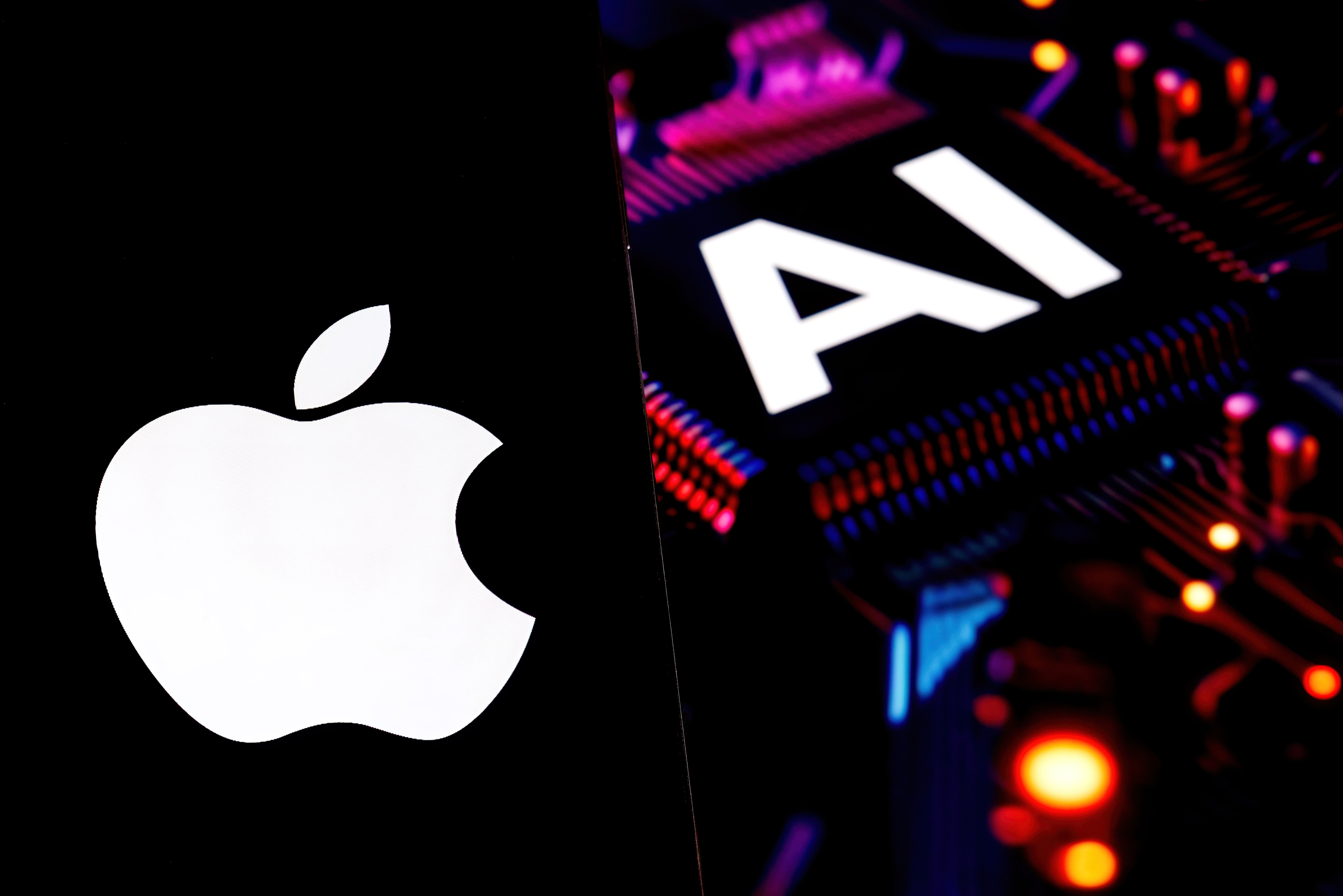
Apple is reportedly developing three new categories of wearable devices, including smart glasses, an AI pendant, and AirPods with cameras, in what analysts are calling a major strategic shift for the tech giant.
The new devices aim to bring visual intelligence capabilities currently found in iPhones to wearable technology, enabling users to interact with their environment in new ways.
According to reports, the smart glasses are designed to compete directly with Meta's Ray-Ban glasses. However, the initial version will reportedly forgo augmented reality (AR) displays, instead relying on dual cameras: one for high-resolution photography and video, and another for computer vision to assist Siri in understanding the user's surroundings.
The glasses are expected to identify landmarks, translate text in real-time, and provide audio-based navigation, all without requiring a smartphone.
Apple may begin production of the smart glasses as early as December 2026, with a potential commercial launch in 2027.
The AI pendant, also referred to as a pin, is envisioned as a small, wearable device that can be worn around the neck or attached to clothing, serving as an alternative for those who prefer not to wear glasses.
The pendant will reportedly feature an always-on camera and sensitive microphones, functioning as a contextual assistant that can remember where you placed your keys or identify the person standing in front of you.
Unlike Humane's AI Pin, which aimed to replace the smartphone, Apple's device will function as an iPhone accessory, relying on the phone for complex data processing to improve battery life and reduce the device's weight.
Apple is also exploring equipping AirPods with low-resolution infrared (IR) cameras, similar to those used in Face ID, to support air gestures for controlling volume or calls with hand movements in front of the ear. The cameras could also improve spatial audio by accurately understanding room dimensions.
This project is reportedly the most mature of the three and could potentially be released later this year.
Analysts believe that Apple's focus on these product developments is a strategic necessity to remain at the forefront of the artificial intelligence race.
With iPhone sales growth plateauing, wearable devices are seen as the next major platform. However, cybersecurity experts note that the biggest challenge will be convincing the public to wear always-on cameras.
Observers are betting on Apple's reputation for on-device data processing to overcome privacy concerns that have hindered similar projects from other companies in the past.
Many observers agree that the coming years could represent a radical turning point, as technology transitions from tools we use to partners that accompany us, fundamentally changing how we interact with the world around us.