 Milan-Cortina 2026 Olympic Winter Games: freestyle skiing women's freeski slopestyle qualification
Orange Jordan Sponsors Al Hussein Technical University’s "Leadathon"
The CEO of Orange Jordan Visits Yarmouk University President to Strengthen the Strategic Partnership
*Orange Jordan Showcases Fabrication Lab Innovations at the Makers’ Forum
3 Winners at Orange Summer Challenge 2024 Join the “Social Innovation” Journey Fostering "Tech4Impact”
Estarta Named Cisco Systems' Distinguished Supplier of the Year 2024
Milan-Cortina 2026 Olympic Winter Games: freestyle skiing women's freeski slopestyle qualification
Orange Jordan Sponsors Al Hussein Technical University’s "Leadathon"
The CEO of Orange Jordan Visits Yarmouk University President to Strengthen the Strategic Partnership
*Orange Jordan Showcases Fabrication Lab Innovations at the Makers’ Forum
3 Winners at Orange Summer Challenge 2024 Join the “Social Innovation” Journey Fostering "Tech4Impact”
Estarta Named Cisco Systems' Distinguished Supplier of the Year 2024
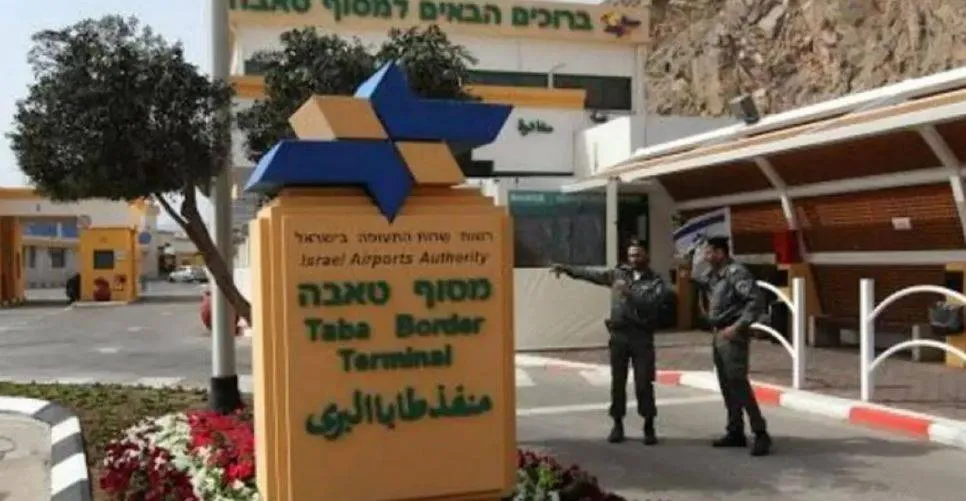
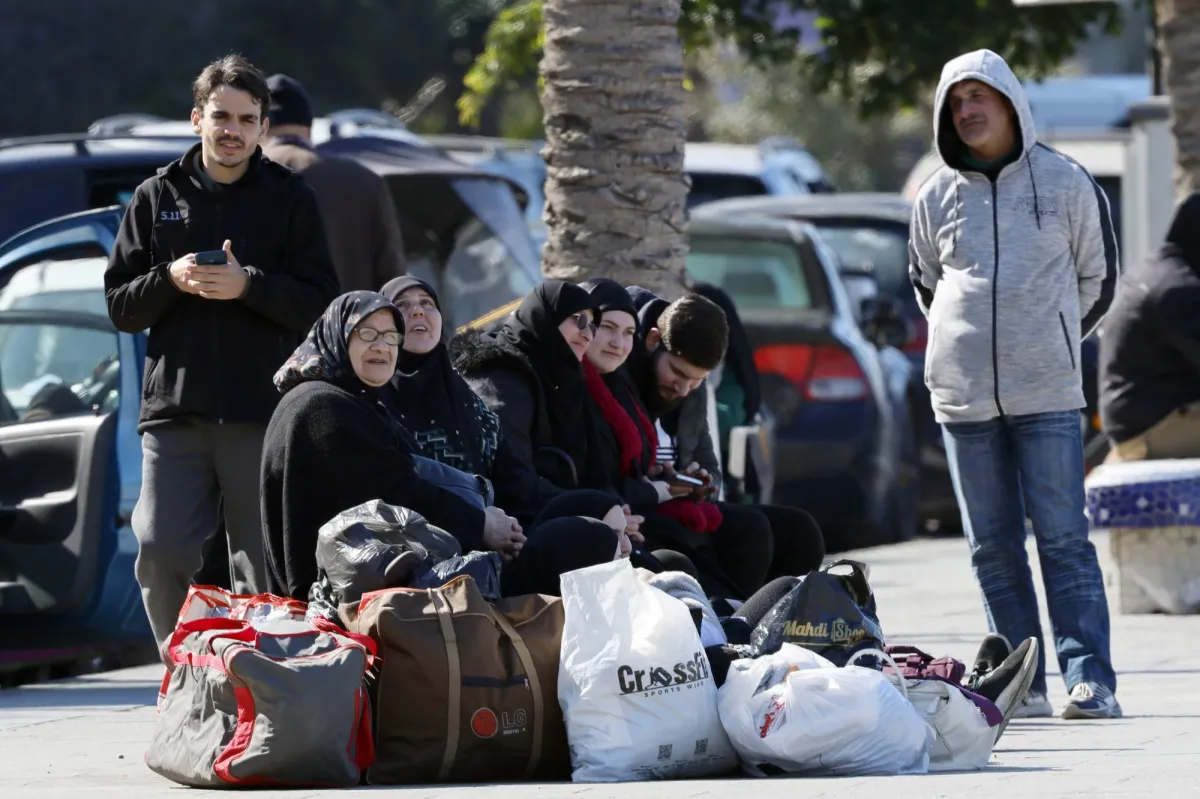
Amidst regional tensions and airspace closures, Egypt's Sinai Peninsula is emerging as a crucial land corridor for travelers entering and exiting Israel.
The development follows the closure of Israeli airspace due to heightened regional conflict. Consequently, Egypt, particularly the resort city of Sharm el-Sheikh, is expected to experience a surge in activity as it facilitates overland travel.
Earlier, Russia evacuated dozens of its citizens stranded in Israel via the Egyptian border. A special flight carrying Russian diplomatic personnel and their families departed for Moscow after they crossed into Egypt through land crossings and arrived in Sharm el-Sheikh, according to the Russian Ministry of Emergency Situations.
Egyptian airports near the border are also anticipated to see increased traffic as they assist in transporting diplomats and foreign civilians stranded in Israel, according to Egyptian experts.
Channel 13 in Israel reported that Israeli airlines may soon operate rescue flights to repatriate Israelis stuck abroad, using an air bridge to Sharm el-Sheikh International Airport given the closure of Ben Gurion Airport. Transport Minister Miri Regev is reportedly behind the initiative, with a high-level team in the Transport Ministry managing negotiations with Egyptian counterparts. Airlines such as El Al, Arkia, Israel Air, and Air Haifa could potentially operate shuttle flights from various European and other destinations, transferring passengers to Sharm el-Sheikh for onward travel by bus from Sinai into Israel.
According to political science professor at Cairo University, Tarek Fahmy, the use of Egyptian land crossings and airports for civilian transit to and from Israel has both humanitarian and political dimensions.
Fahmy stated that Egypt has a humanitarian obligation, especially during times of conflict, to welcome people of all nationalities. He anticipates Sharm el-Sheikh airport will see significant activity in evacuating diplomats and foreign civilians from Israel, remaining open to all nationalities without discrimination.
From a political standpoint, Fahmy emphasized that Egypt is not a party to any conflict and maintains a clear stance against escalation. However, it also has political obligations to neighboring countries, especially those bordering its territory, in times of war, crisis, or threats. He noted that Israel has limited alternatives to Sharm el-Sheikh airport.
The situation arose after recent military actions led to the closure of airspace in several neighboring countries, forcing flights to reroute or make emergency landings in Egyptian airports. These events highlight Egypt's role as a safe haven amidst regional instability.
The Israeli news platform, The Marker, reported that travel companies advised Israelis stranded abroad to fly to Sharm el-Sheikh in Egypt and then enter Israel via the Yitzhak Rabin border crossing.
The platform added that travel companies also advised Israelis stranded abroad to head to large airports such as Milan, Athens and Larnaca, "from where flights to Tel Aviv are expected to resume."