 Milan-Cortina 2026 Olympic Winter Games: freestyle skiing women's freeski slopestyle qualification
Orange Jordan Sponsors Al Hussein Technical University’s "Leadathon"
The CEO of Orange Jordan Visits Yarmouk University President to Strengthen the Strategic Partnership
*Orange Jordan Showcases Fabrication Lab Innovations at the Makers’ Forum
3 Winners at Orange Summer Challenge 2024 Join the “Social Innovation” Journey Fostering "Tech4Impact”
Estarta Named Cisco Systems' Distinguished Supplier of the Year 2024
Milan-Cortina 2026 Olympic Winter Games: freestyle skiing women's freeski slopestyle qualification
Orange Jordan Sponsors Al Hussein Technical University’s "Leadathon"
The CEO of Orange Jordan Visits Yarmouk University President to Strengthen the Strategic Partnership
*Orange Jordan Showcases Fabrication Lab Innovations at the Makers’ Forum
3 Winners at Orange Summer Challenge 2024 Join the “Social Innovation” Journey Fostering "Tech4Impact”
Estarta Named Cisco Systems' Distinguished Supplier of the Year 2024
BlackRock Investment Institute stated that the ultimate market impact of recent Middle East developments hinges on the conflict's duration and energy flow disruptions, but a sustained supply shock is not the base case.
The institute views current events as a "volatility shock" and is prepared to counter any excessive market reactions, according to a recent memo.
The assessment comes after recent strikes in the region that initially triggered market jitters.
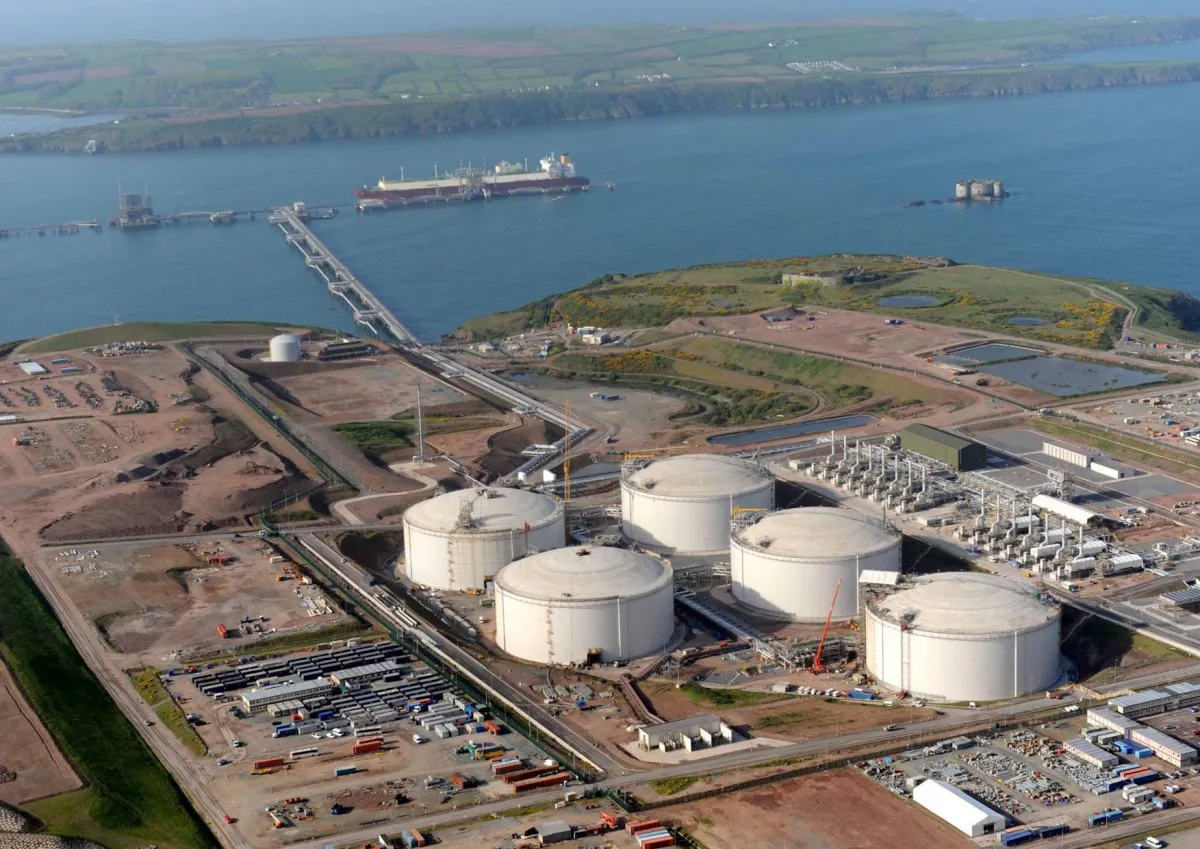
The institute noted that while no confirmed energy supply or infrastructure losses have emerged, reports of tankers rerouting near the Strait of Hormuz and reassessments of trade transit plans warrant monitoring, as commercial behavior can be as influential as official statements.
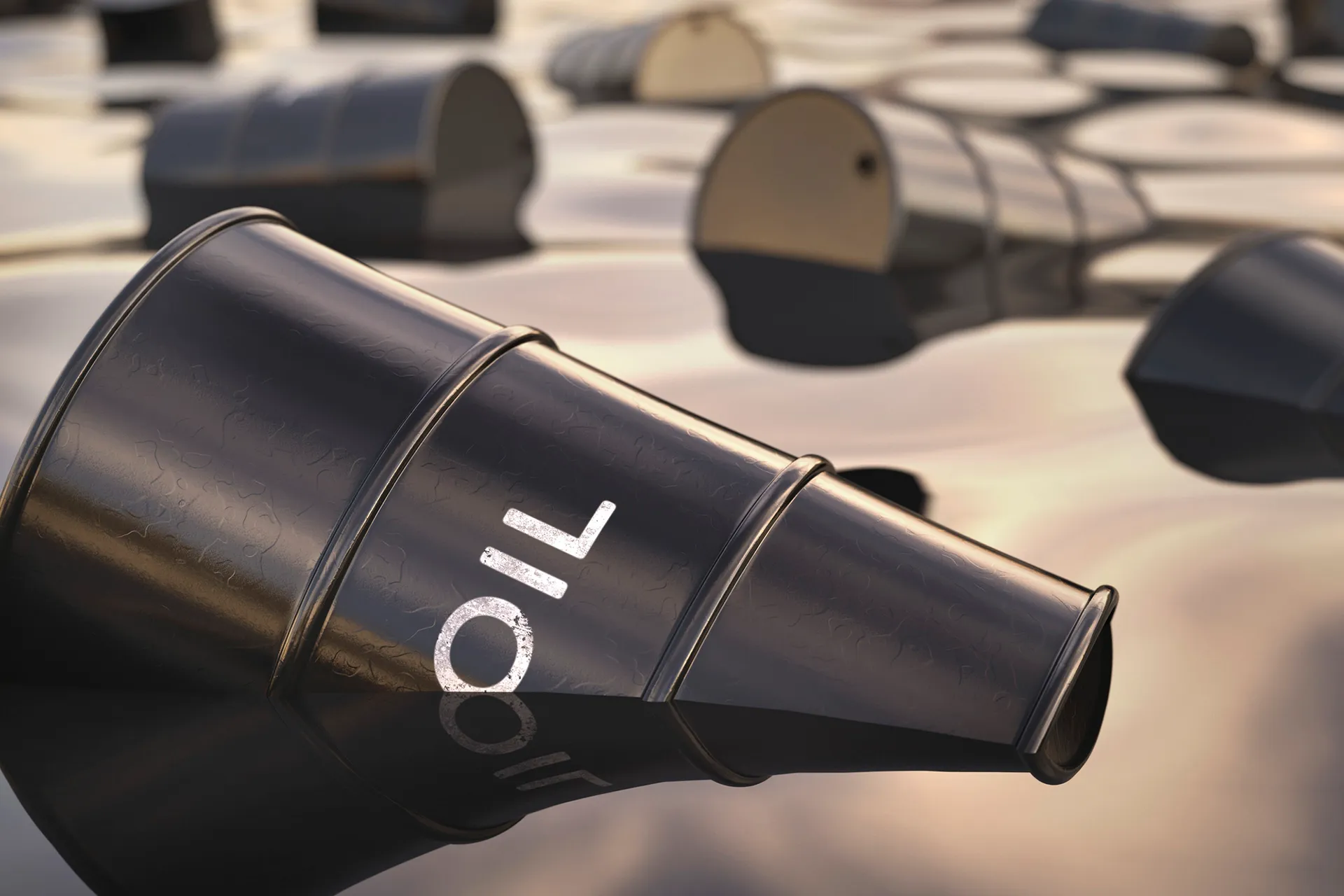
According to the memo, U.S. crude oil prices rose about 8%, while U.S. stock futures fell about 1%, and European stocks declined about 2% following the strikes.
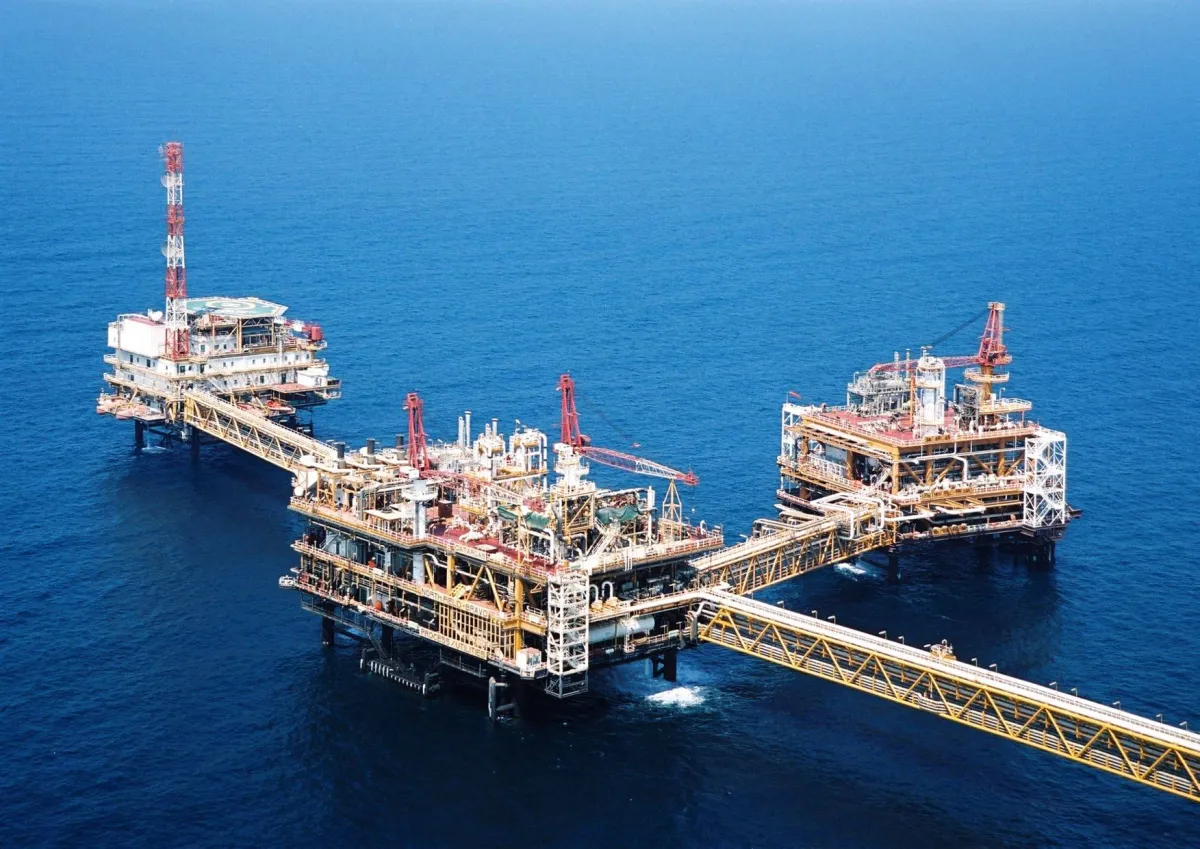
The institute believes that if the impact becomes global, it will be through supply chains, either by restricting energy transport via the Strait of Hormuz or damaging regional energy infrastructure, potentially raising energy prices and increasing stagflation risks.
The path of developments is shaped by three main variables: the duration of hostilities, the degree of disruption to energy transport, and the final political outcome. The interaction of these factors will determine whether the shock is temporary or more sustained.
The institute anticipates that a sustained supply disruption remains a remote possibility for the time being, as limitations on military capabilities and the prospect of political repercussions may mean that intervention lasts only weeks, although the range of potential outcomes remains wide.
Markets are heavily focused on the risk of escalation and the security of energy flows, especially through the Strait of Hormuz, which sees about 20% of global oil consumption and 20-25% of global natural gas trade.
Oil markets are globally resilient, while gas markets remain more regionally fragmented, potentially leading to sharper price movements in liquefied natural gas in the event of severe disruptions.
If the conflict extends for a long period, the institute expects a sustained rise in the regional risk premium, with increasing divergence between winners and losers across energy producers and importers, defensive and cyclical stocks, and economies resilient in their policies and those more vulnerable to external risks.
The institute emphasized that current developments reinforce its view that the world is increasingly shaped by supply factors, with artificial intelligence remaining the main global theme, as well as the declining reliability of long-term government bonds as a portfolio balancing tool in the face of potential stagflation risks. The institute is not changing its investment outlook.