
 Milan-Cortina 2026 Olympic Winter Games: freestyle skiing women's freeski slopestyle qualification
Orange Jordan Sponsors Al Hussein Technical University’s "Leadathon"
The CEO of Orange Jordan Visits Yarmouk University President to Strengthen the Strategic Partnership
*Orange Jordan Showcases Fabrication Lab Innovations at the Makers’ Forum
3 Winners at Orange Summer Challenge 2024 Join the “Social Innovation” Journey Fostering "Tech4Impact”
Estarta Named Cisco Systems' Distinguished Supplier of the Year 2024
Milan-Cortina 2026 Olympic Winter Games: freestyle skiing women's freeski slopestyle qualification
Orange Jordan Sponsors Al Hussein Technical University’s "Leadathon"
The CEO of Orange Jordan Visits Yarmouk University President to Strengthen the Strategic Partnership
*Orange Jordan Showcases Fabrication Lab Innovations at the Makers’ Forum
3 Winners at Orange Summer Challenge 2024 Join the “Social Innovation” Journey Fostering "Tech4Impact”
Estarta Named Cisco Systems' Distinguished Supplier of the Year 2024
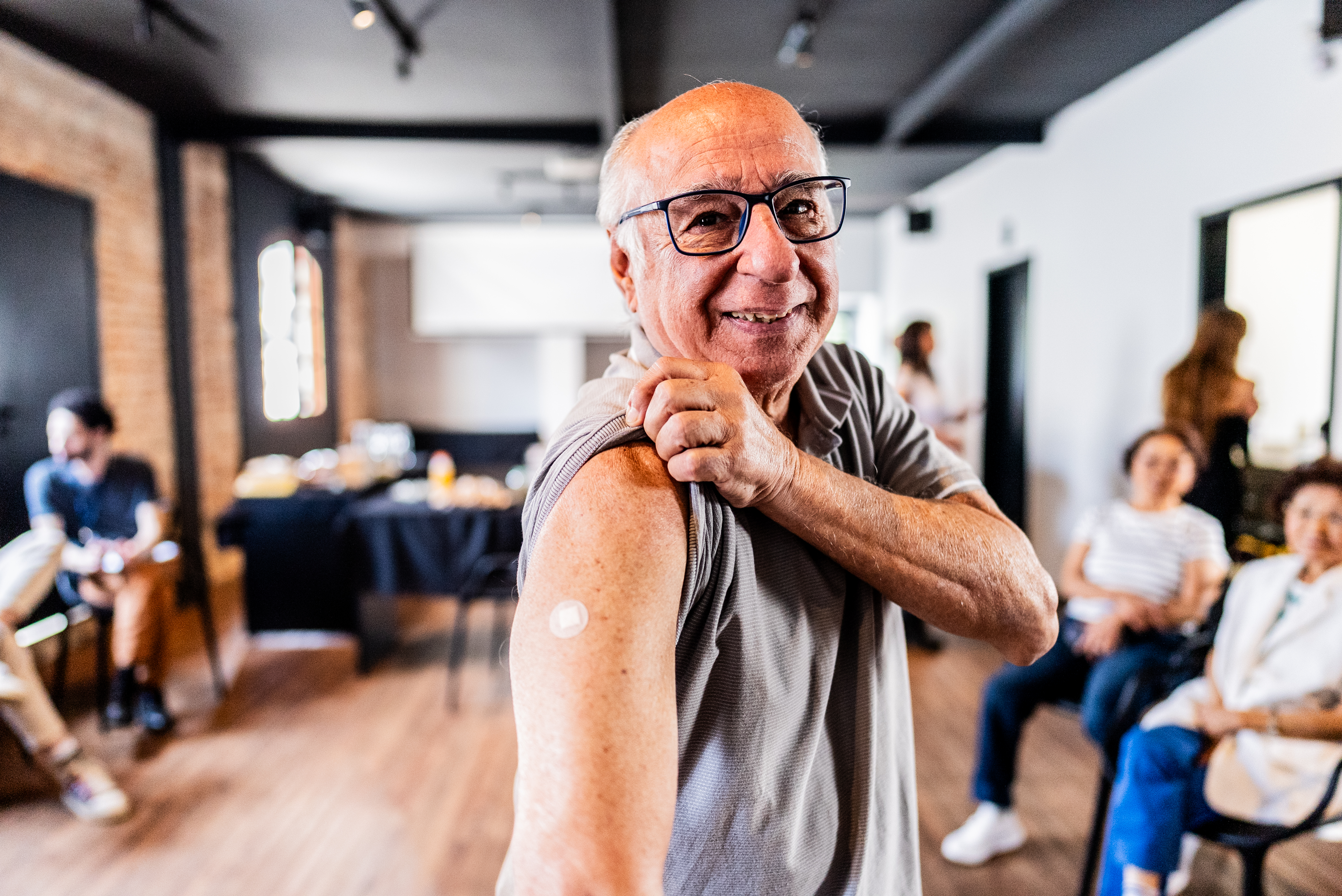
A common mistake in applying medical patches could lead to a fatal overdose, pharmacists warn.
The improper use of medical patches can result in patients receiving either too much or too little of the active ingredient, according to the Chamber of Pharmacists in the German state of Lower Saxony.
Pharmacists emphasize the importance of tearing open the packaging along the designated perforated line. Using scissors or tearing the package randomly could damage the patch and affect the controlled release of the active substance.
Cutting patches in half to reduce the dosage is also strongly discouraged, as this can alter the absorption system and lead to an incorrect dose.
Patches should be applied to skin that is intact and free from wounds, inflammation, eczema, allergies, scars, or tattoos.
The preferred area should be clean, dry, and hair-free. Washing the area with water only and gently drying it before applying the patch is recommended, while avoiding creams or oils that may hinder adhesion or affect absorption.
Application sites vary depending on the type of patch but often include the back, torso, upper arm, or hip.
After removing the protective film, the patch should be firmly pressed onto the skin for up to 30 seconds without touching the adhesive surface. Hands should then be washed thoroughly to prevent transferring any residual medication to the eyes or mouth.
Experts caution against using multiple patches simultaneously, as this can lead to a dangerously high concentration of the active substance in the blood, especially with potent medications such as opioid painkillers.
While bathing is generally permitted, exposure to high temperatures, such as saunas, tanning beds, or direct sunlight, can increase the rate of drug absorption.
Applying hot compresses or getting close to direct heat sources in the patch area is also prohibited. Guidelines indicate that fever exceeding 38.5 degrees Celsius may also lead to an unsafe increase in absorption, necessitating medical consultation.
The timing for changing patches varies depending on the type; it may be every 24 hours, every three days, or even weekly. Adherence to the doctor's instructions or the package insert is crucial, and noting the date and time of application can help prevent forgetfulness.
When replacing a patch, the old one should be removed first, and the new one should be placed in a different location to avoid skin irritation. It is also advisable to note the location of the patch, especially if it is transparent and difficult to spot.
After use, patches should be folded inward so that the adhesive side sticks to itself and then disposed of in household waste or at designated drug collection points.
They should not be flushed down the toilet or sink because pharmaceutical substances may not be completely removed in water treatment plants, threatening aquatic life in rivers and lakes.
Health experts emphasize that medical patches, despite their ease of use, are still medications that require strict adherence to instructions, especially in children, the elderly, or patients taking other medications that may interact with them. It is always advisable to consult a doctor or pharmacist if severe redness, rash, or unusual symptoms occur.